
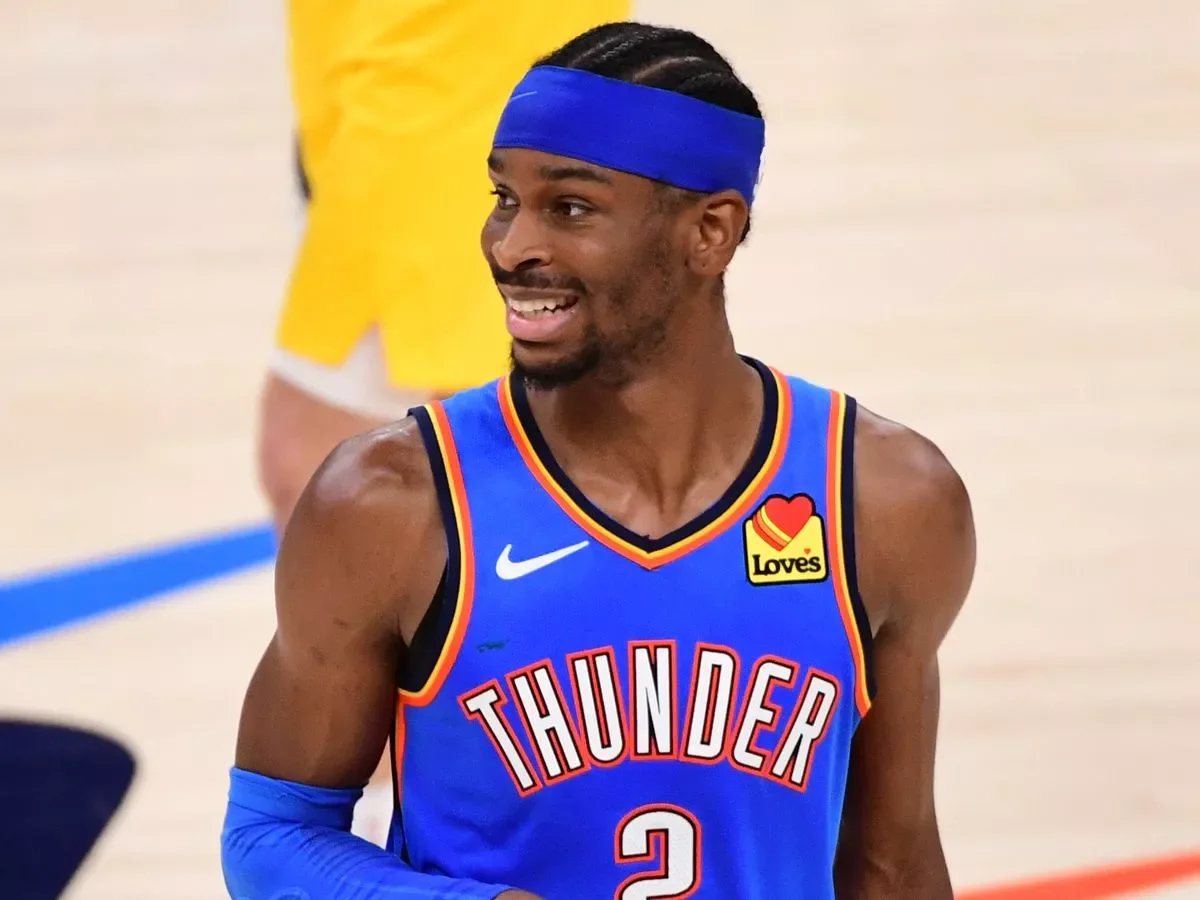

The National Basketball Association has entered an unprecedented financial phase, transitioning from a league once defined by modest paychecks and regional influence into a global entertainment powerhouse. This shift is epitomized by Shai Gilgeous-Alexander’s recent contract milestone, as he secured a four-year, $285.4 million extension with the Oklahoma City Thunder in 2025, averaging over $71 million annually and setting a new standard in NBA history.
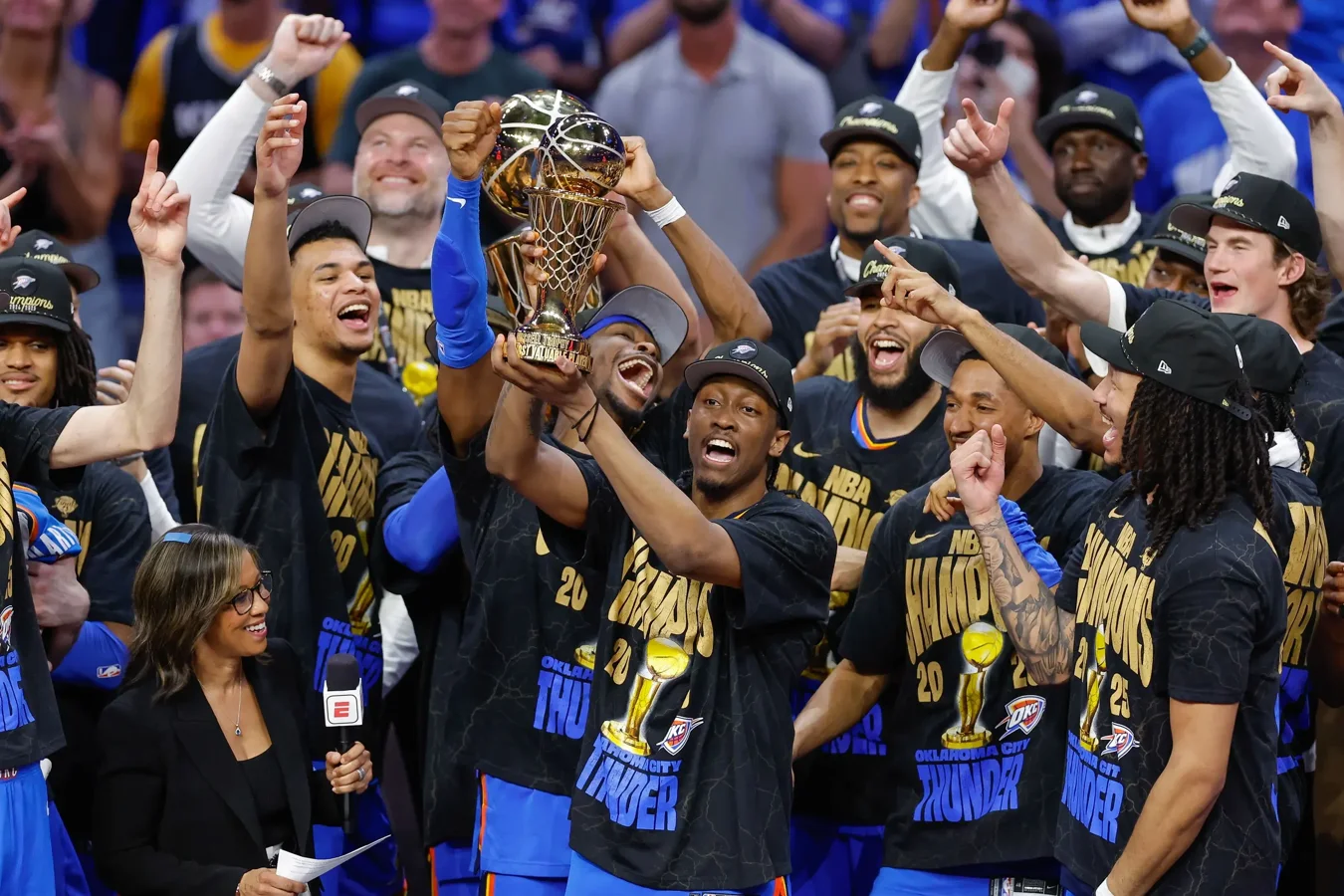
Completed shortly after Gilgeous-Alexander led the Thunder to a decisive Finals victory, this contract not only rewards his performance on the court but also signals a broader change in the economic landscape of professional basketball.
Emergence of a New Era for Player Salaries and Contracts
Over the past several decades, NBA salaries steadily increased alongside the salary cap, television revenues, and labor agreements. However, the last five years have witnessed a sharp acceleration in pay scales. While Michael Jordan’s peak seasonal salary of $33 million was once extraordinary, today’s top players routinely earn more than double that amount in base salary alone, without including income from endorsements or business investments.
By 2025, the league is witnessing the rise of athletes who are not only on-court talents but also long-term business ventures with franchises. Gilgeous-Alexander’s contract ranks alongside those of Jayson Tatum, who signed a $314 million deal over five years; Stephen Curry, making $59.6 million in the 2025–26 season; and Nikola Jokić, locked into a $272 million contract through 2028. These agreements are transforming team payroll strategies and franchise branding efforts.
Driving Factors Behind the Salary Explosion
This surge in player compensation is driven by several critical factors. Franchises are not merely acquiring athletic performance but are investing heavily in players’ visibility, market appeal, and future equity. The modern contract reflects a calculation that extends beyond the game, emphasizing business value and long-term profitability.
Contextualizing the Current Financial Landscape in Historical Terms
To appreciate the scale of this financial shift, one can look back to 2001 when Shaquille O’Neal signed a seven-year contract worth $121 million—a figure then considered monumental. By contrast, that sum would not place among the top 20 deals in today’s NBA by average annual value. Gilgeous-Alexander’s earnings translate to roughly $870,000 per game in the current season, exceeding the entire NBA salary cap of the 1984–85 season.
Challenges and Criticisms Surrounding Soaring Salaries
Despite the excitement, some voices express concern over the implications of such large contracts. Critics warn that these escalating deals might destabilize roster building by concentrating salary cap space in a few superstars, making it harder to construct balanced teams. There is apprehension that the financial gap between top earners and mid-tier players could widen, reducing the latter’s bargaining power and competitiveness.
Additionally, the durability of this growth comes into question if international fan engagement stagnates or domestic television ratings decline. The challenge for franchises juggling a single player occupying over 35% of cap space is maintaining sufficient depth while supporting star talent.
Forecasting the NBA’s Financial Trajectory
Looking forward, the trend toward ever-larger contracts is likely to continue. Analysts predict the emergence of players earning $100 million annually within this decade, driven in part by increased involvement from private equity, technology firms, and global corporations in sports ownership and content distribution. The NBA has consistently evolved in style, culture, and business operations, but the speed of this transformation is notably rapid.
Shai Gilgeous-Alexander’s contract extension personifies the league’s evolution, symbolizing a player who has grown into the emblem of a franchise and city while marking the start of a new financial chapter for basketball. This development reflects a fundamental shift in perspective from the NBA: instead of merely assessing a player’s on-court worth, franchises now consider what broader value a player can generate for their organizations and the league.
“It’s about a league that has stopped asking what is this player worth? — and started answering, what can this player build?” — Shai Gilgeous-Alexander