

Williams Formula 1 driver Alex Albon has urged his team to reassess their strategy after both of their cars failed to advance beyond Q2 during the British Grand Prix qualifying session. The team’s disappointing qualifying results came at a home event in The Grove, following recent struggles with reliability.
Williams faced ongoing challenges after a double retirement in the prior race in Austria, and hopes for a stronger performance on home soil were thwarted by Albon’s 14th place qualifier and teammate Carlos Sainz finishing 11th, though grid penalties for other drivers may improve their starting positions.
Early Tactical Errors Affecting Williams’ Qualifying Performance
Albon highlighted a critical error during the session, which involved an unfortunate tyre choice linked to a sudden incident on track.
“Yes, I think internally we need to review what went on there, because we put on a set of tyres when Franco [Colapinto] crashed, and then we went out on the track when it was quite clear it was going to be a red flag, so, basically we immediately wasted a set in qualifying,”
he explained.
The driver detailed how starting Q2 run one on used tyres initially seemed manageable.
“We went into Q2 run one on a used set of tyres. Until this point, we were looking good, feeling good, and I actually did a pretty good lap in Q2 run one, considering the used tyres,”
Albon added.
However, complications arose on the second run of Q2. Attempting to follow the pace of faster cars, they sent Albon out too early on their last new set of tyres, which were not properly prepared for optimal performance.
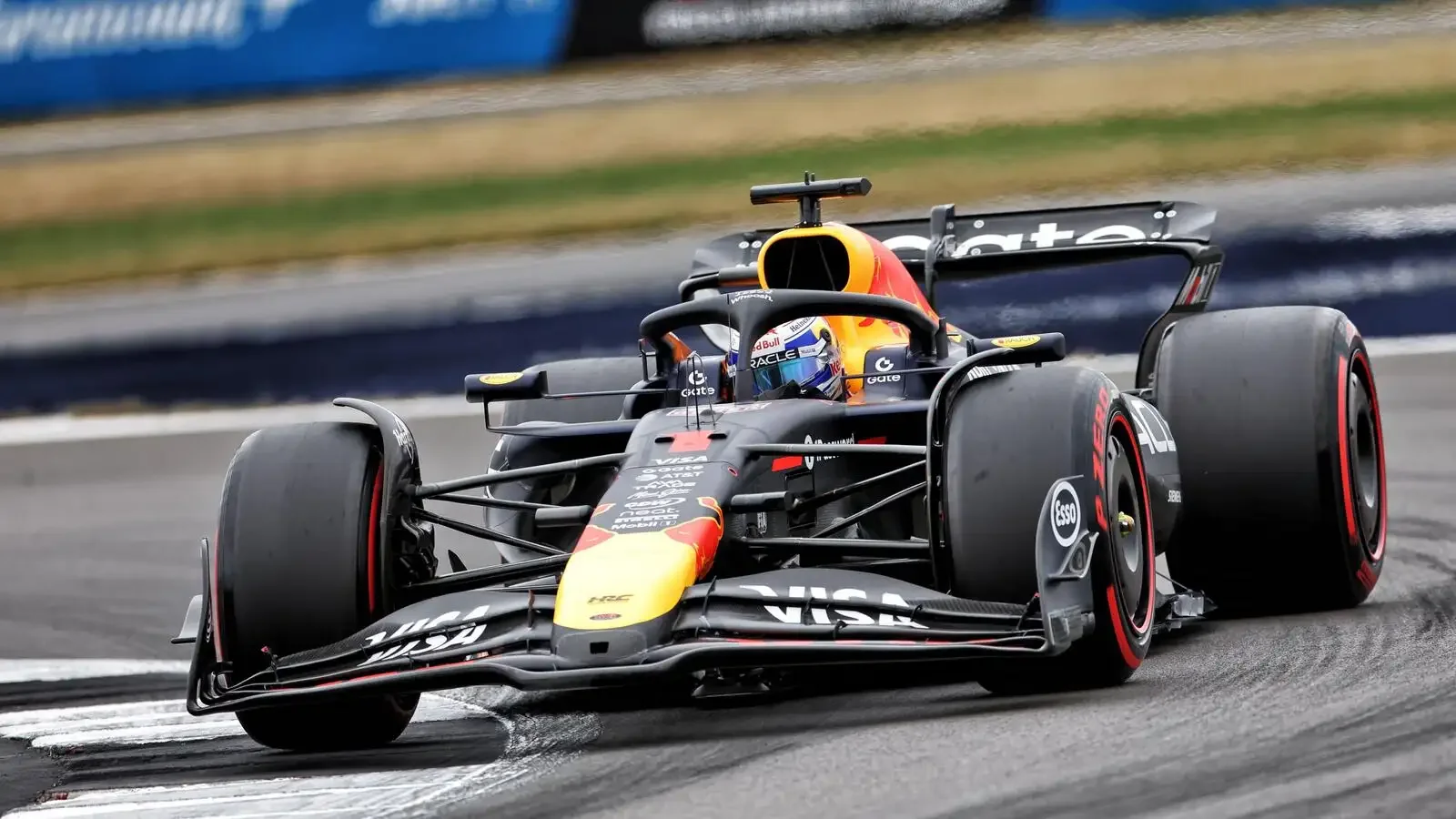
“Then we go into Q2 run two and try to go out at the very front of the pack, where Max is – and Max’s out lap is about 15–20 seconds slower than ours – so we did Q2 run two on our final new set, basically not even close to being ready,”
he said.
Team’s Preference for Early Runs Under Scrutiny
Reflecting on the decision to favor early runs in qualifying, Albon admitted the usual approach backfired in this instance.
“Q2 was obviously compromised, let’s say that. We need to review what we did. We generally do go on the early side in quali – we like to – but today was too much. We need to understand why we like to go so early all the time,”
Albon stated.
He expressed frustration at the outcome despite promising pace throughout the weekend.

“I mean, we’ve been quick all weekend. We’re quick in Q1, we’re quick in Q2 run one – and then it’s like, yeah, P14. So very frustrating,”
he said.
Sainz Reflects on the Intensifying Midfield Competition
Carlos Sainz shared his perspective on the increasingly tight midfield battle during the qualifying weekend, noting the progress made by rival teams.
“I think we’ve been the whole weekend just on that time gap between P9 to P14 in the middle of the midfield, and you obviously don’t know when it comes to Q2 and putting everyone together, how we would perform,”
he commented.
He acknowledged that a strong lap time was delivered but highlighted challenges in setup and reliability that complicated preparations.
“In the end, honestly, my lap felt really clean. It is true that we’ve been dedicating a lot of the weekend to a bit of set-up experimentation and trying to get rid of our reliability issues, so maybe it hasn’t been the best ever build-up to quali,”
Sainz said.
Looking at the broader scope of the season, he recognized that other teams’ improvements have intensified competition.
“But the lap felt strong there at the end. I think we are in that phase of the season where, even on a track where we were expecting to be competitive, the others have improved just a bit too much for us, and we just are always like this to get into Q3, and we start to need a bit of a lift in performance,”
Sainz added.
Implications for Williams as the Season Progresses
Williams’ home race qualifying struggles underscore the ongoing challenges the team faces in closing the gap within the midfield pack. The internal review requested by Albon points to a willingness to re-examine strategic decisions, particularly regarding tyre usage and timing during crucial qualifying phases.
As the season advances, Williams will likely focus on optimizing their approach to ensure better tyre management and timing, especially in tightly contested sessions where fractions of a second determine progression. This reflection could help the team improve performance consistency and capitalize on future opportunities in midfield battles.
Our Reader’s Queries
Q. Is number 13 banned in F1?
A. Certainly, the number 13 is accepted. For instance, Pastor Maldonado selected #13 when the fixed numbering system was introduced in 2014. While some cultures view 13 as unlucky, Formula 1 let the drivers choose their numbers.
Q. Which F1 driver has ADHD?
A. Lewis Hamilton, born in 1985, is a British Formula One driver for Mercedes, having also raced for McLaren. He openly shares his experiences living with ADHD and explores his various interests.
Q. Why is 17 not allowed in F1?
A. Number 17 isn’t used in tribute to Jules Bianchi, who had that number during his career in Formula 1 before he passed away.
Q. What F1 driver has ADHD?
A. Lewis Hamilton, a British Formula One driver for Mercedes, previously raced for McLaren. He openly talks about living with ADHD and explores his many interests.