
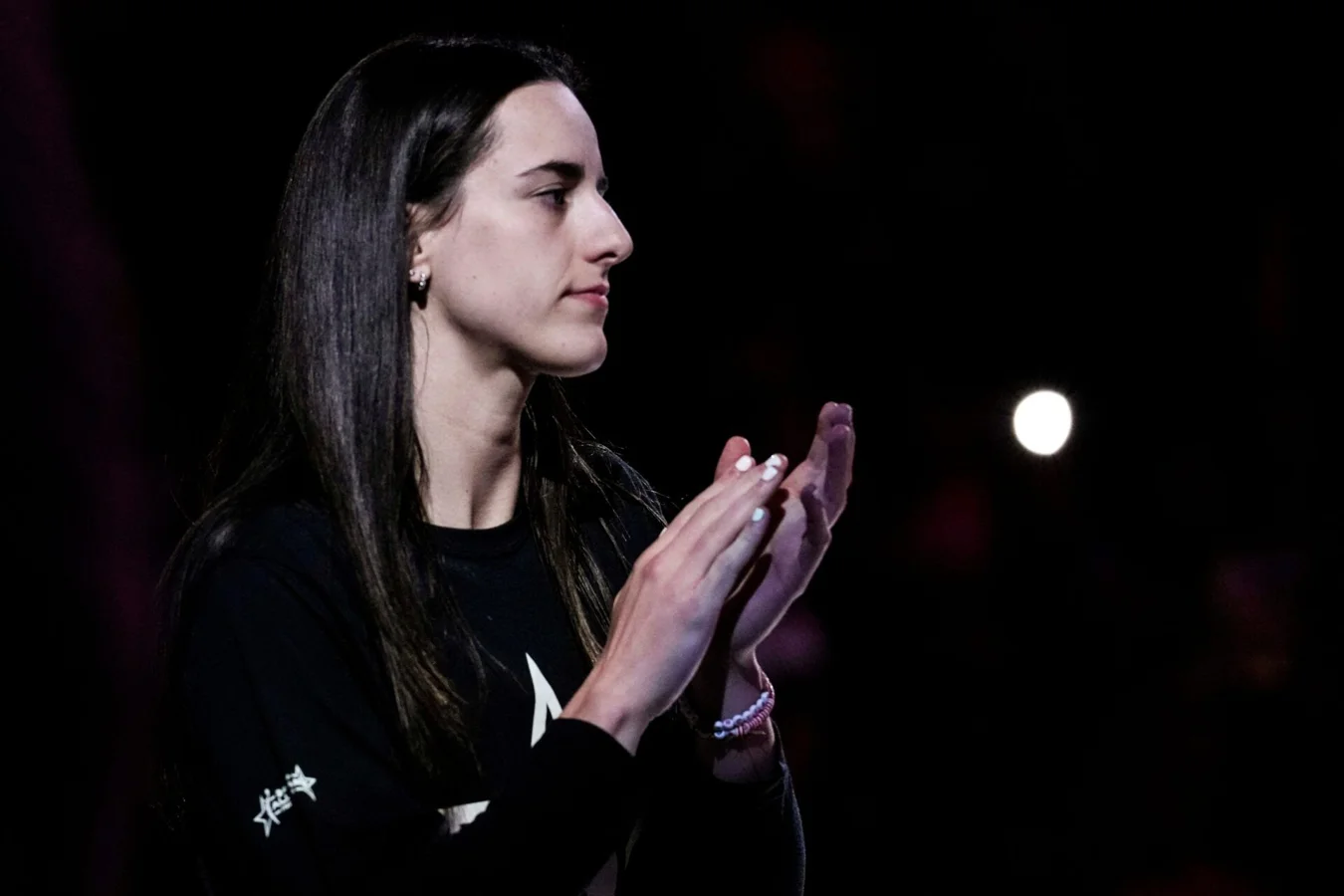

Caitlin Clark, known for her dynamic presence in women’s basketball, has become a central figure in a heated debate about her treatment by fellow WNBA players, especially while sidelined due to injury. The controversy intensified following Clark’s ranking as the ninth-best guard by other players and her exclusion from the 2024 Olympic roster, prompting former <a href=”https://www.buzzineintl.com/category/basketball/nba/”>NBA All-Star Gilbert Arenas to openly condemn the league’s top stars for how they have handled the situation. Arenas tied his criticism to Clark’s growing influence on the league’s popularity and future prospects.
During his appearance on Gil’s Arena, Arenas underscored a disconnect between Clark’s undeniable impact and the negativity she has faced from opponents. He pointed out how, despite being targeted aggressively in games like the All-Star matchup, Clark was still rated surprisingly low by peers.
“Players ranked Caitlin Clark, uh, the ninth best guard. Ninth. Players still in their feelings. They was picking her up full court in the All-Star game and they going to say she nine. Y’all, why y’all knocking her on the floor and s**? Why y’all doing all this s***? Do they not know, like, when she was gone, it went back to the year before she was in the league. Like, the views stop. Like, just enjoy and go on with it,”
Arenas stated.
He then drew parallels to the NBA’s transformative figures, explaining how legends like Michael Jordan, Magic Johnson, and Charles Barkley revolutionized player salaries and league economics. Arenas suggested Clark could play a similar role in elevating the WNBA’s market value and appeal.
“Think about what they was getting paid before they said, ‘Jordan, you’re the guy.’ What do you think Magic and Bird and all them making? Do you know how much Charles Barkley was making his rookie year before the TV deals that Jordan brung in? If you’re making $40,000, you know, every five months and now you’re making $80, then just play your, do your job and vote for the person who got you there,”
he remarked.
Continuing his critique, Arenas emphasized the broader significance of Clark’s arrival to the league, warning that constant antagonism toward her only breeds resentment and diminishes focus on the league’s growth.
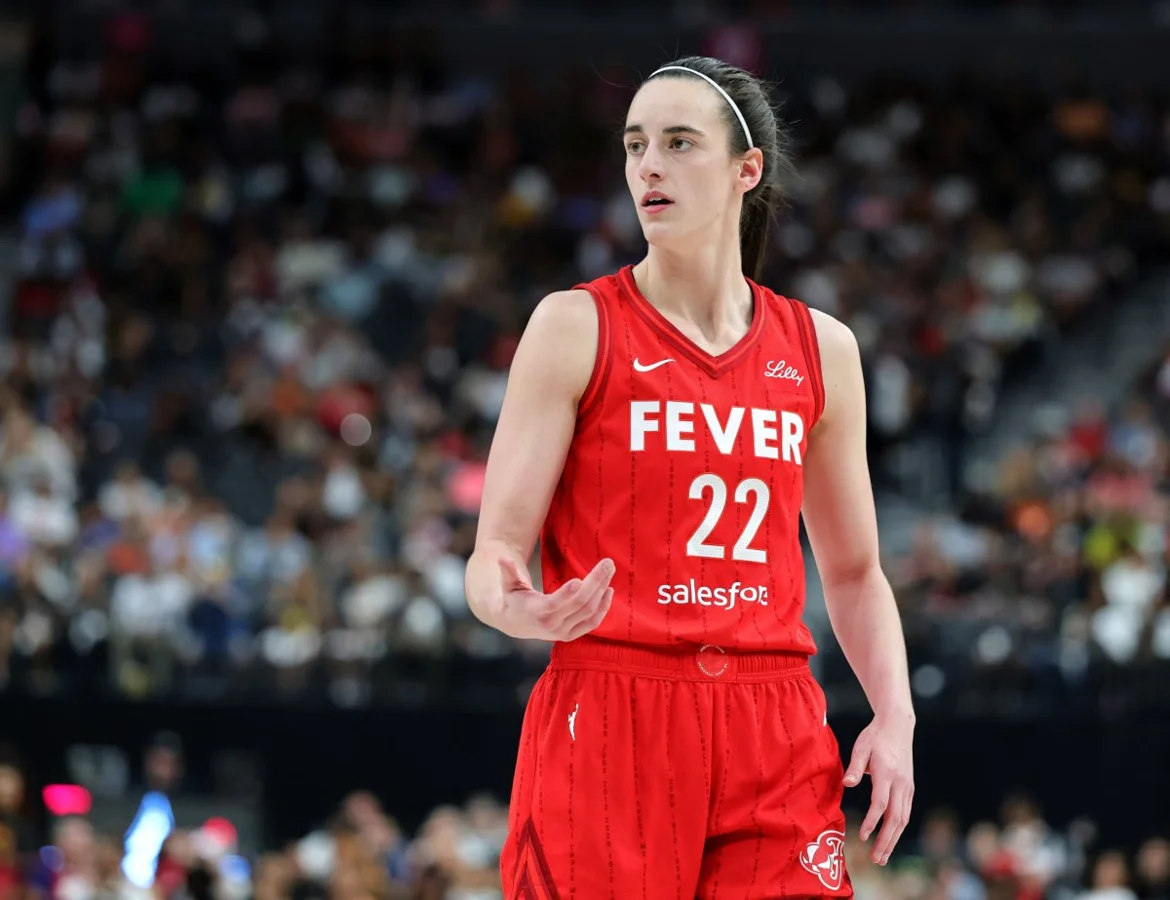
“Someone came in that everybody wants to watch, kids, everybody. Now we can see your talent. So if you’re sitting there beating it up and doing all this, all y’all become is hated. Like, have y’all not paid attention? No one is caring about anything else,”
he said.
He stressed that resistance to Clark’s presence ultimately hurts those who oppose her, stating,
“You want to beat on it, they’re going to hate on it. You want to talk, they’re going to hate on it. Like, there comes a point where reality has to kick in. You can keep fighting the fight and you’re going to be the odd person that looks bad. That’s just how it is. I’m sorry. There’s nothing you can do about it.”
Arenas’ remarks come as Clark recovers from a groin injury, a period that has not diminished conversations around her role or the contentious treatment she faces from other WNBA players.
Indiana Fever Shows Resilience During Caitlin Clark’s Injuries
Caitlin Clark’s ongoing recovery from a left groin injury has kept her out of the Indiana Fever’s lineup for several games, including their critical Commissioner’s Cup Final. Clark was officially ruled out for a recent home game against the Los Angeles Sparks, marking her fifth consecutive missed contest and the tenth overall this season. Notably, Clark had never missed a game in her collegiate or professional career prior to this injury.
Despite the absence of their star guard, the Fever have demonstrated unexpected strength, winning four of their last five matchups. These include commanding victories such as an 81-54 blowout over the Las Vegas Aces and a 74-59 win against the Minnesota Lynx to secure the Commissioner’s Cup. This performance surge without Clark has sparked debate regarding the team’s configuration, especially whether Clark’s dominant ball-handling limits the overall team dynamic.
Indiana Fever head coach Stephanie White provided an update on Clark’s status, confirming she participated in some practice drills without reaching full speed. White emphasized the team‘s cautious approach to Clark’s recovery, prioritizing her health over rushing her return.
“My goal has always been the same: I don’t want this to be something that lingers, that we come back too soon. We want to make sure that she is 100% ready to go and that we put her long-term health and wellness at the forefront,”
she explained.
ESPN analyst Carolyn Peck added perspective on the Fever’s surprising success during Clark’s downtime. Peck suggested the Fever’s offense becomes more unpredictable and challenging when Clark is not on the floor.
“I think that Indiana is even more dangerous when Caitlin Clark doesn’t play because she’s a ball-dominant guard,”
Peck said on SportsCenter.
“The ball’s in her hands a lot, so you know what you need to try to take away. But when you look at Indiana now, they’ve got so many weapons.”
Clark is averaging 18.2 points, 8.9 assists, and 5.0 rebounds this season, yet the team’s 9-8 record, including a 5-4 mark without her, highlights a remarkable level of balance and depth the Fever had not always shown. Players like Kelsey Mitchell have stepped up during Clark’s absence, with Mitchell scoring 25 points against the Aces, while the team’s defense has tightened, allowing fewer points per possession.
Future Outlook for Caitlin Clark and the Indiana Fever
The Fever prepare to face the Golden State Valkyries on July 9, with Clark’s availability still uncertain as the team monitors her recovery closely. The cautious approach to her injury reflects an understanding that maintaining Clark’s long-term health outweighs short-term gains. Meanwhile, the team’s ability to succeed without its top scorer offers encouraging signs of resilience and adaptability.
Meanwhile, the broader conversation surrounding Caitlin Clark’s role in the WNBA continues to stir tensions, particularly as players and fans debate her recognition and treatment within the league. Gilbert Arenas’ vocal defense of Clark highlights the challenges that arise when a new star challenges established dynamics but also underlines the potential for significant growth within the WNBA if her contribution is embraced rather than resisted.