
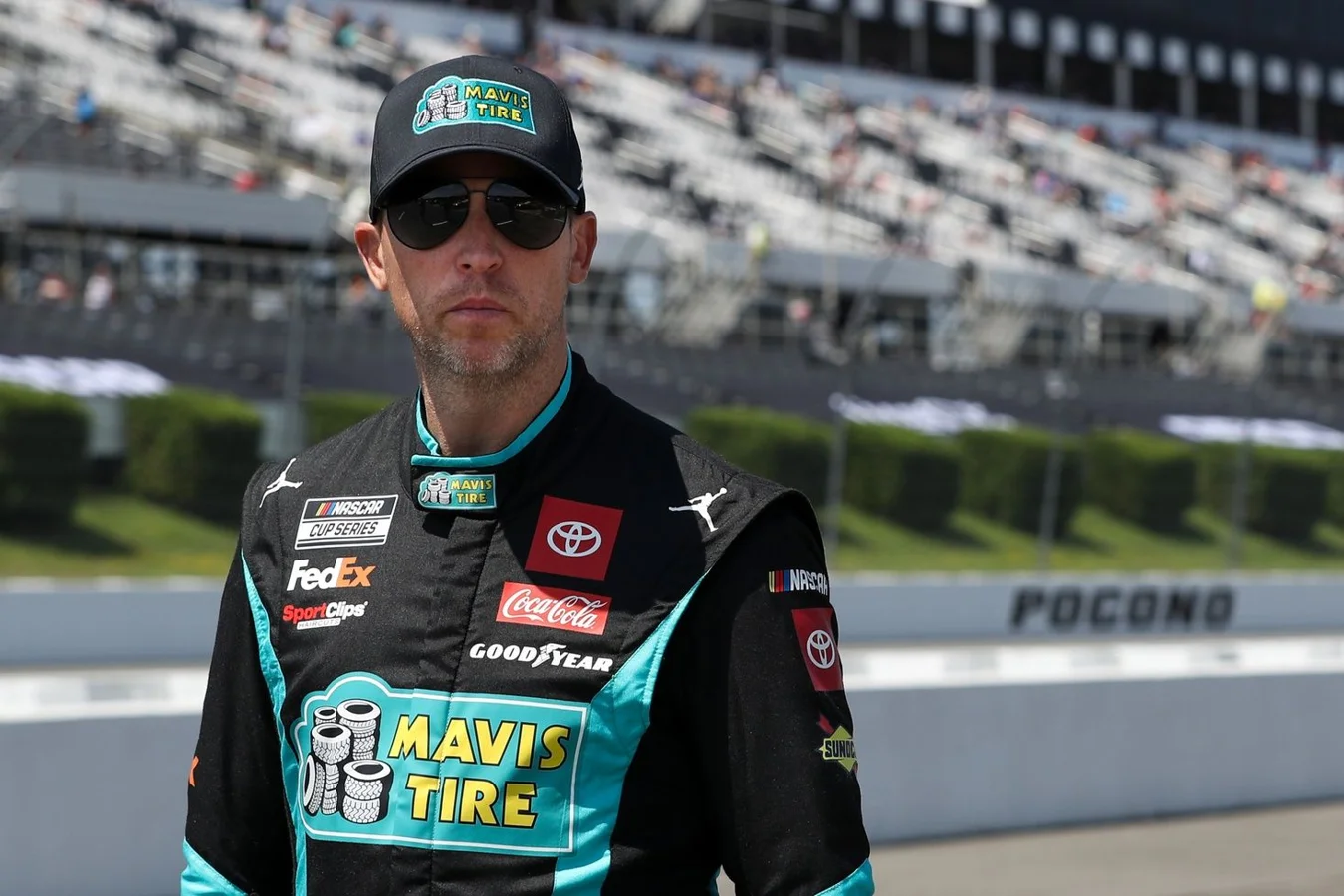

As the NASCAR Cup Series prepares for the upcoming Chicago Street Race, questions remain about whether the series will return to Chicago in 2026 for a fourth consecutive year. Veteran driver Denny Hamlin is strongly encouraging NASCAR to maintain this event on the schedule, emphasizing the race’s distinct fan engagement and its benefits to the city.
Why Denny Hamlin Champions NASCAR’s Continued Presence in Chicago
Denny Hamlin, active in the NASCAR Cup Series since 2006, has witnessed many tracks enter and exit the calendar, giving him a seasoned perspective on what defines a valuable race venue. With years of experience and success, including multiple major wins, Hamlin recognizes when a race holds unique appeal for both drivers and fans.
He views the Chicago Street Race as a significant event that NASCAR should preserve. Held on a temporary 2.2-mile, 12-turn downtown course, the race offers a different atmosphere compared to traditional oval circuits. Hamlin believes it draws attention beyond the usual motorsport crowd and positively affects the local economy.
“I personally would like to see them do everything they can to keep it here,”
Hamlin said during a comments session at the circuit.
“I’d like to see the city rally behind this race. I could just tell you that non-racing fans at the hotel I’m staying at are talking about the race. I think that it’s certainly got some sort of economic impact to the city itself. We’re certainly exposing some new fans to this.”
—Denny Hamlin, NASCAR driver
Hamlin stresses the importance of this event to NASCAR’s schedule, expressing hope it becomes a staple for years to come.
“I think it’s very important. I think you try everything you can to get this thing back here in Chicago, because I believe it is an important place for us.”
—Denny Hamlin, NASCAR driver
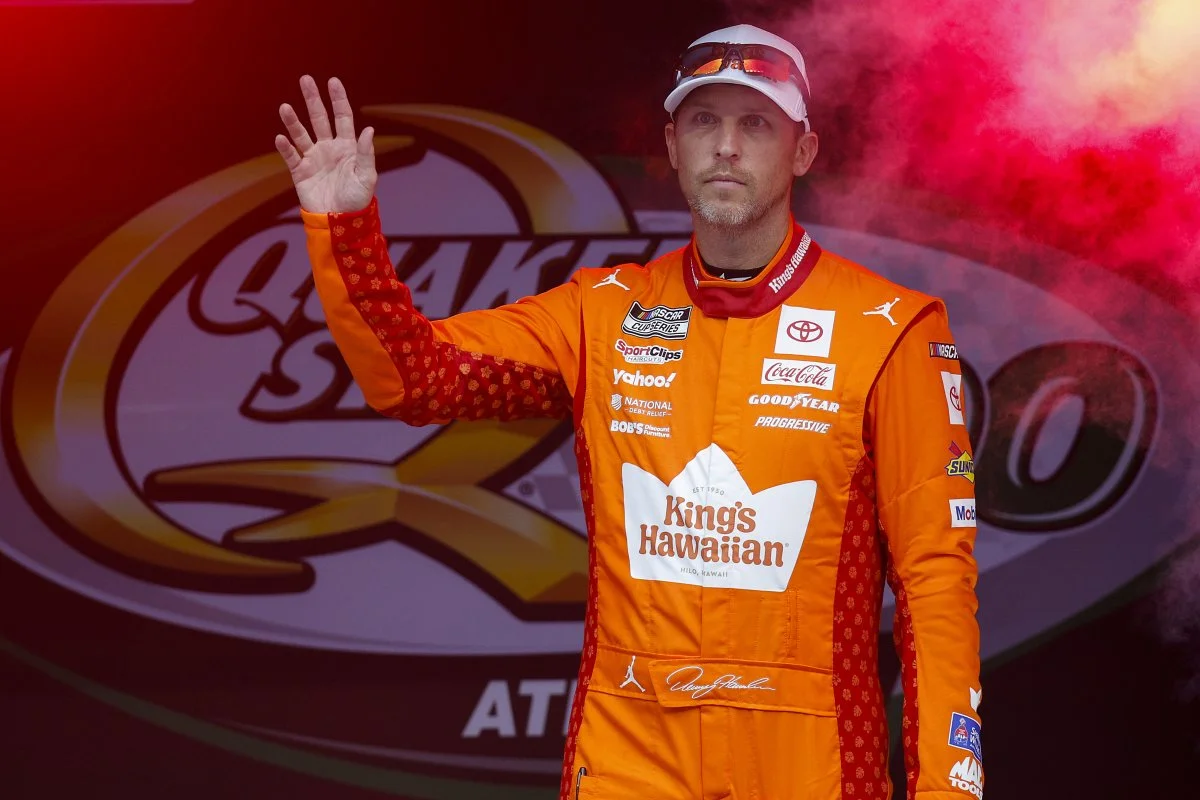
Mixed Views Among Drivers But Hamlin Sees Unmatched Potential
While the Chicago Street Race has encountered challenges, including weather-related interruptions in its first two years, Hamlin views the event as overwhelmingly positive. He questions what alternatives exist that could match the atmosphere and fan exposure the race delivers within an urban setting.
“I mean, what’s the alternative?”
Hamlin remarked.
“Until we know the alternative, I don’t know whether they’re ones better or worse than this. I just feel like this is a bigger event than, you know, some of the ovals that we go to, simply because of the atmosphere of where it’s at. And the exposure to new fans that are here casually in the city.”
Hamlin highlights how conveniently situated the event is for locals and casual visitors who might not otherwise attend a race at a traditional speedway outside the city, such as Chicagoland Speedway in Joliet, located roughly 45 minutes away.
“For instance, I went shopping yesterday. I go to all these different stores, and it’s, ‘What are you in town for?’ ‘Oh yeah, there’s a race. We were talking about going to that. We didn’t go last year because of the rain, but we’re thinking about going.’ These are younger people that are not going to travel to Chicagoland (Speedway, about 45 minutes away in Joliet, Illinois) to go to a race. You have to have it right here where they can walk to it.”
—Denny Hamlin, NASCAR driver
Despite his enthusiasm, Hamlin admits he is uncertain if other drivers share his strong support for the Chicago event. He has not heard widespread opinions from his peers but remains confident about the race’s growing appeal.
“I don’t know if anyone shares the same sentiment I do,”
he said.
“I don’t run the series, and I don’t make the decisions.”
Hamlin also points out the distinct buzz surrounding the Chicago race that he feels surpasses typical NASCAR venues.
“But it just seems like from my standpoint, there’s more excitement around the venue itself than what a normal NASCAR race venue has.”
—Denny Hamlin, NASCAR driver
The Future Impact of the Chicago Street Race on NASCAR and the City
Denny Hamlin’s advocacy for the Chicago Street Race underlines the event’s importance in expanding NASCAR’s fanbase and strengthening its connection to urban communities. The race not only attracts longtime enthusiasts but also grabs the attention of casual onlookers who can access the event more easily than traditional speedway races.
For Chicago, the race brings significant economic activity and boosts civic pride, as local businesses and residents engage with the event. Hamlin’s call for the city’s support emphasizes that sustaining the race could lead to long-term benefits for both NASCAR and Chicago’s community.
As NASCAR evaluates its future schedule, Hamlin’s insights highlight the value of preserving unique events like the Chicago Street Race, suggesting it could remain a fixture that enhances the sport’s appeal and reach well beyond 2025.
Our Reader’s Queries
Q. How did Denny Hamlin get so rich?
A. Denny Hamlin started racing full-time in the Cup Series with Joe Gibbs Racing in 2006. Since then, he has had a remarkable career. He has won 51 Cup Series races and secured three Daytona 500 wins in 2016, 2019, and 2020. He has also made millions during his career.
Q. Why did NASCAR penalize Denny Hamlin?
A. The No. 11 team with driver Denny Hamlin received a penalty for breaking NASCAR’s engine inspection rules. Joe Gibbs Racing and Hamlin faced an L2-level penalty, as announced by NASCAR on Thursday. The team violated sections 14.7 of the regulations.
Q. How did Denny Hamlin get rich?
A. He built a huge $65 million fortune through his career income, endorsements, owning a team, and real estate investments.
Hamlin’s path to wealth includes big NASCAR race winnings and contracts, along with sponsorships from companies such as FedEx, Jordan Brand, and Toyota.
Q. Did Denny Hamlin lose 75 points for engine violation?
A. NASCAR penalized Denny Hamlin and car owner Joe Gibbs 75 regular-season points and 10 playoff points. This L2 penalty was for an engine seal violation after Hamlin’s victory at Bristol in the spring, the organization said on Thursday.