
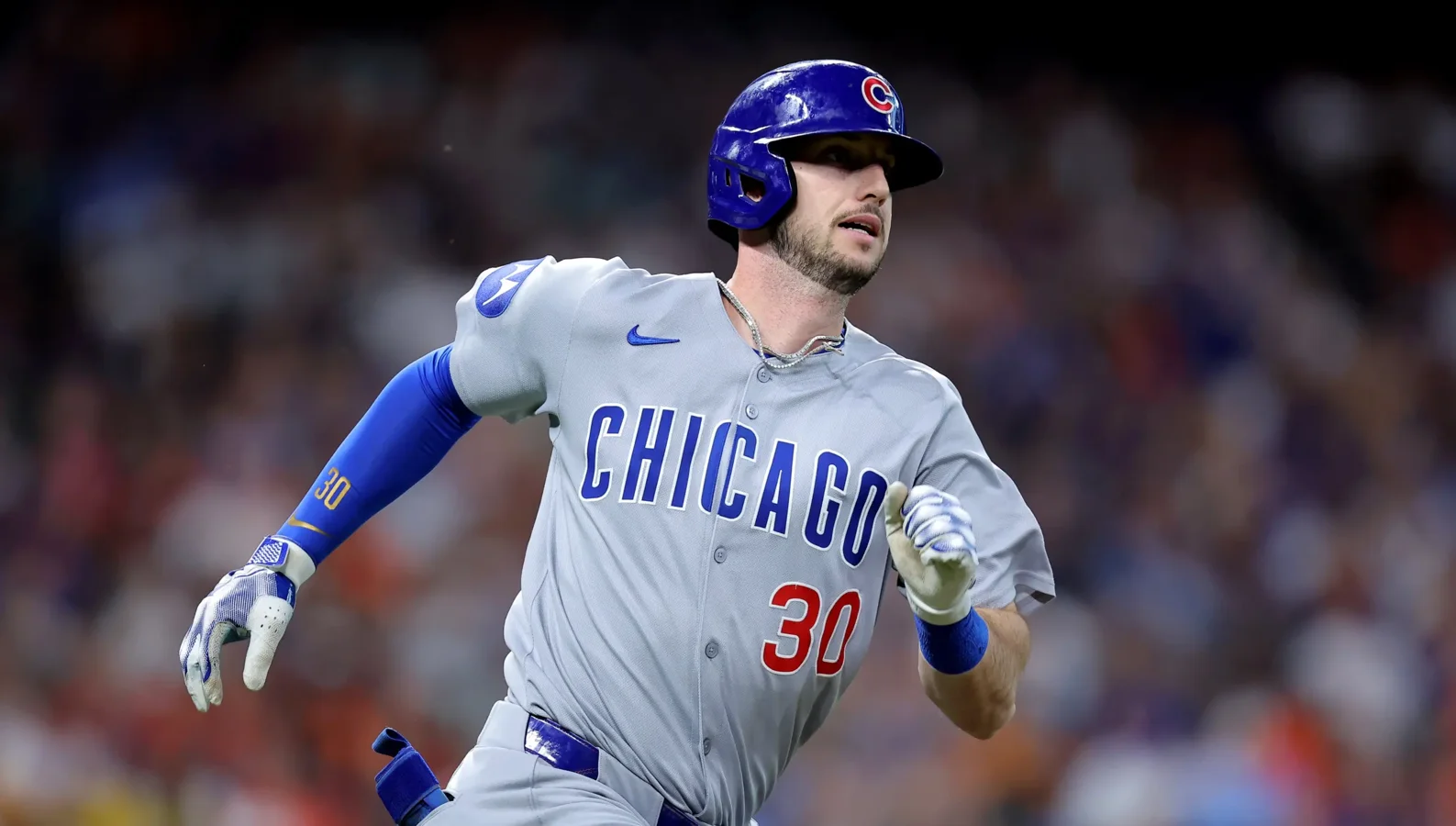

The Chicago Cubs are facing a significant decision regarding Kyle Tucker, the Houston Astros’ rising star outfielder, as they deliberate over a potential extension. The team’s past experiences with large contracts weigh heavily on their approach, creating a complex situation as the Cubs consider whether to commit to Tucker’s sizeable future role.
Lessons from Previous Contract Decisions
The Cubs’ history with major contracts has highlighted the risks involved in making long-term financial commitments. The 2016 contract with Jason Heyward, who was signed to a highly scrutinized deal, remains a cautionary example. Heyward’s performance has not consistently lived up to the contract’s expectations, fostering an environment of financial concern within the organization, including its owners, the Ricketts family. This legacy of uneven returns informs the Cubs’ hesitation as they evaluate a similar substantial investment in Tucker.
Kyle Tucker’s Emergence as a Valuable Asset
Kyle Tucker’s continued success on the field has positioned him as a highly sought-after talent. His consistent hitting and overall contributions have rapidly elevated his status among major league players, attracting interest including from the Cubs. His growing reputation presents an enticing option for the team looking to reinforce their lineup with an impactful player capable of changing their competitive outlook.
Navigating a Difficult Outlook for Team Management
The Cubs’ front office must balance the desire to strengthen their roster with the need to avoid repeating past financial missteps. The prospect of signing Tucker carries both opportunity and risk, pressing decision-makers to weigh a bold move against the risk-averse stance shaped by historical experience. This dilemma underscores a broader strategic tension as the organization attempts to align immediate competitive goals with long-term financial stability.
Implications for the Franchise’s Future Path
With the trade deadline drawing near, the Cubs face pressing timelines to define their direction. A move toward a Kyle Tucker extension could either signal a renewed commitment to contention or revive concerns tied to previous high-profile contracts. The choices they make will resonate beyond the current season, influencing not only roster construction but also the franchise’s philosophy and relationship with its fanbase in the years to come.
“
“The Cubs’ past financial commitments have often shaped our approach to new deals, especially when high stakes are involved.”
— Ricketts, Owner
“
“Kyle Tucker’s talent is undeniable, but we have to carefully consider all factors before making a long-term commitment.”
— Cubs Front Office Representative
Our Reader’s Queries
Q. How did Kyle Tucker’s injury happen?
A. At 27, Tucker injured himself when he hit a ball against his right shin during a game with the St. Louis Cardinals. Initially, doctors thought it was just a bruise, but Tucker revealed this week that further scans showed a fracture.
Q. Why did Kyle Tucker start wearing gloves?
A. Tucker explained that before he wore the gloves daily, he would get a bit out of breath within 15 seconds. He decided to try batting gloves to help him breathe easier. “That’s about how it began,” he added.