
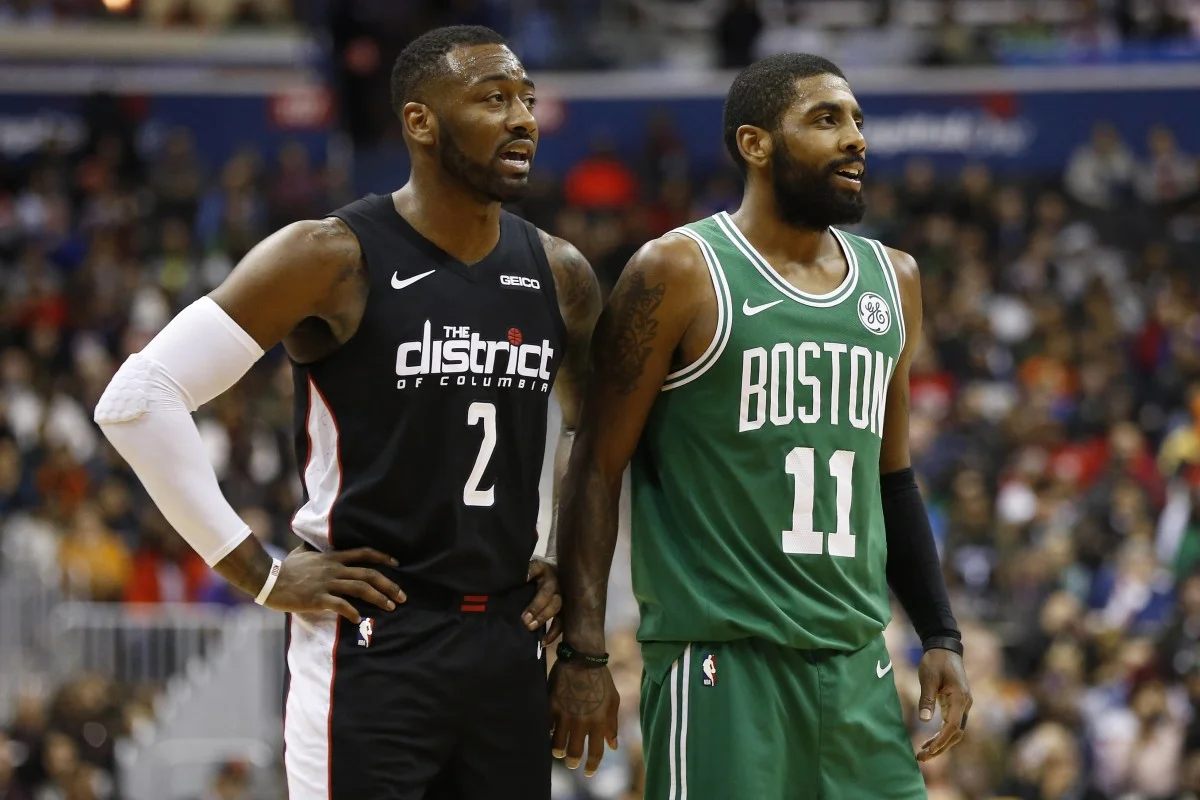

The NBA draft rarely produces consecutive No. 1 overall picks who are both point guards, making the back-to-back selections of John Wall and Kyrie Irving particularly notable. During a recent Twitch stream, Kyrie Irving highlighted the uniqueness of their achievements while reflecting on how the league’s evolving style has changed the value of point guards entering the draft.
The Unique Legacy of Back-to-Back Point Guard No. 1 Picks
John Wall was a standout from early on in his junior year of high school, known for his exceptional speed, athleticism, and skills showcased in a widely admired high school mixtape. His year at Kentucky under coach John Calipari further prepared him for the NBA, solidifying his status as a top draft choice. Kyrie Irving emerged from St. Patrick High School as a clear No. 1 contender as well, impressing scouts with his ball handling, court vision, and shooting ability. Although Kyrie’s game valued finesse over pure athleticism compared to Wall, he maintained his position as the leading pick during his time at Duke University.
In a league where athleticism, three-point shooting, and versatility dominate, the prominence of true point guards as top picks has decreased. Since Kyrie and Wall were drafted first overall in consecutive years, only Markelle Fultz and Anthony Edwards have been point guards selected at No. 1, and both are more often categorized as scorers or combo guards rather than traditional playmakers. Other recent top picks have largely been hyper-athletic wings like Andrew Wiggins and Zion Williamson or dominant big men such as Anthony Davis, Karl-Anthony Towns, and Victor Wembanyama.
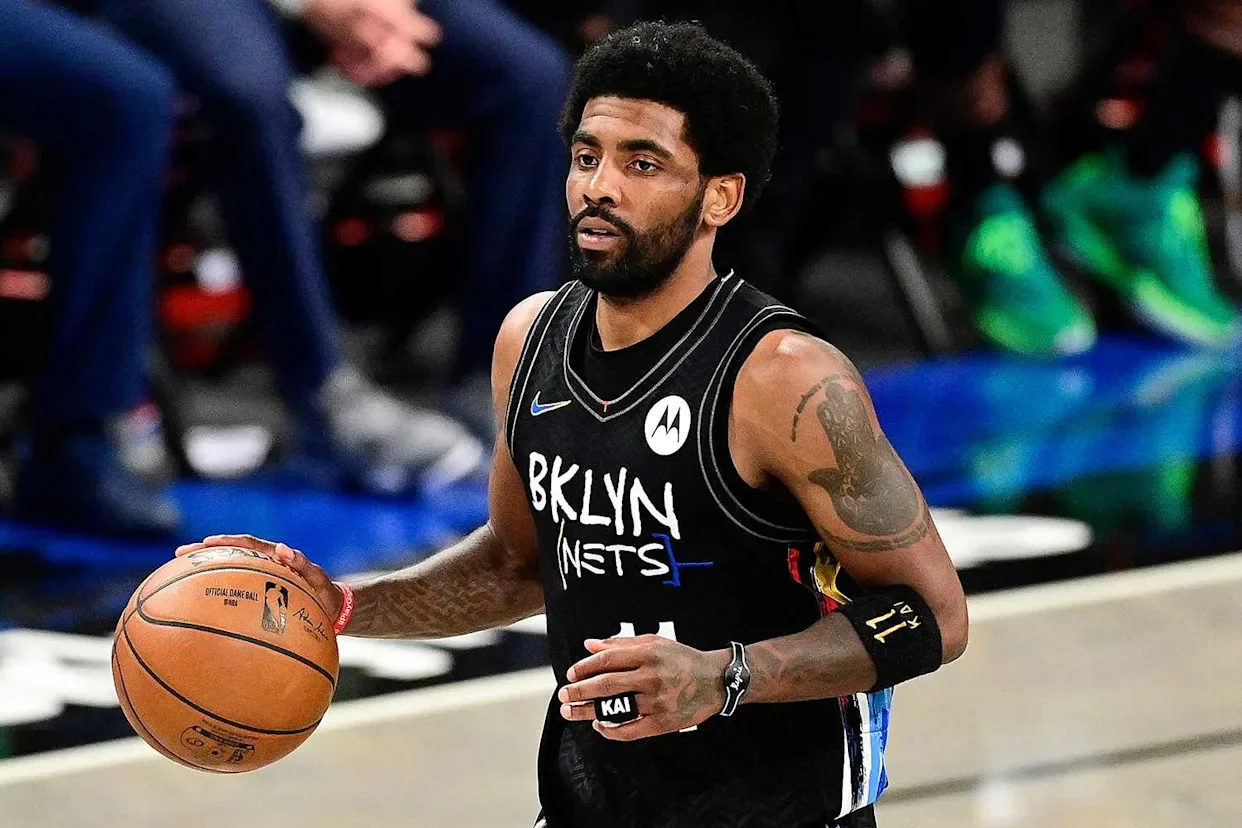
Reflecting on their extraordinary draft moments, Kyrie Irving said,
“For us to go back-to-back as point guards in the NBA? That was generational. I don’t think it’ll ever be a run like that again of two point guards going back-to-back No. 1 picks in the best league in the world. So, I definitely gotta give him his flowers, man. So many great matchups against him. So many great moments of just us being ultra competitive because we knew our towns, the hood back at home was talking like, who is better between us two. It made me who I am today. It helped shape my competitive drive.”
—Kyrie Irving, NBA player
Why Modern Draft Scouts Devalue Point Guards Like Wall and Irving
The evolving NBA game has influenced how point guards are perceived during the draft process. According to Kevin Durant‘s explanation during a conversation with LeBron James on the show Mind the Game, many guards are viewed as defensive weaknesses because their smaller size often makes them liabilities when matched up against bigger wings, forwards, and centers, especially in playoff scenarios where defensive switches are common.
Despite this, smaller guards bring valuable attributes to the court that often go unrecognized by scouts. Players like TJ McConnell, while not the most physically imposing, deliver a distinct pace and style of play unlike the taller 6’3” guards traditionally favored. Furthermore, John Wall, along with figures like Russell Westbrook and Derrick Rose in recent years, helped pioneer a new archetype of athletic point guards capable of dominating through quickness and explosiveness. Their influence opened doors for players like Ja Morant and Anthony Edwards to thrive even amid the league’s increased focus on shooting.
Ultimately, while smaller guards face challenges defensively, their ability to generate offense against elite defenders can still land them high draft positions. Athleticism combined with offensive impact remains a key factor in recruitment decisions, keeping open the possibility for guards to be highly valued despite modern trends.
Kyrie Irving Reflects on Competition and Growth Through Rivalry
Kyrie Irving also acknowledged the impact of competing against John Wall, emphasizing how their rivalry fueled his growth both as a player and as a competitor. The intense matchups between them were amplified by hometown pride, creating a conversation that transcended the courts and shaped Kyrie’s mindset.
This competitive spirit and mutual recognition highlight the significance of their achievements in the NBA draft history—a period when being drafted first as a point guard in back-to-back years was a rare occurrence that might not be repeated soon.