
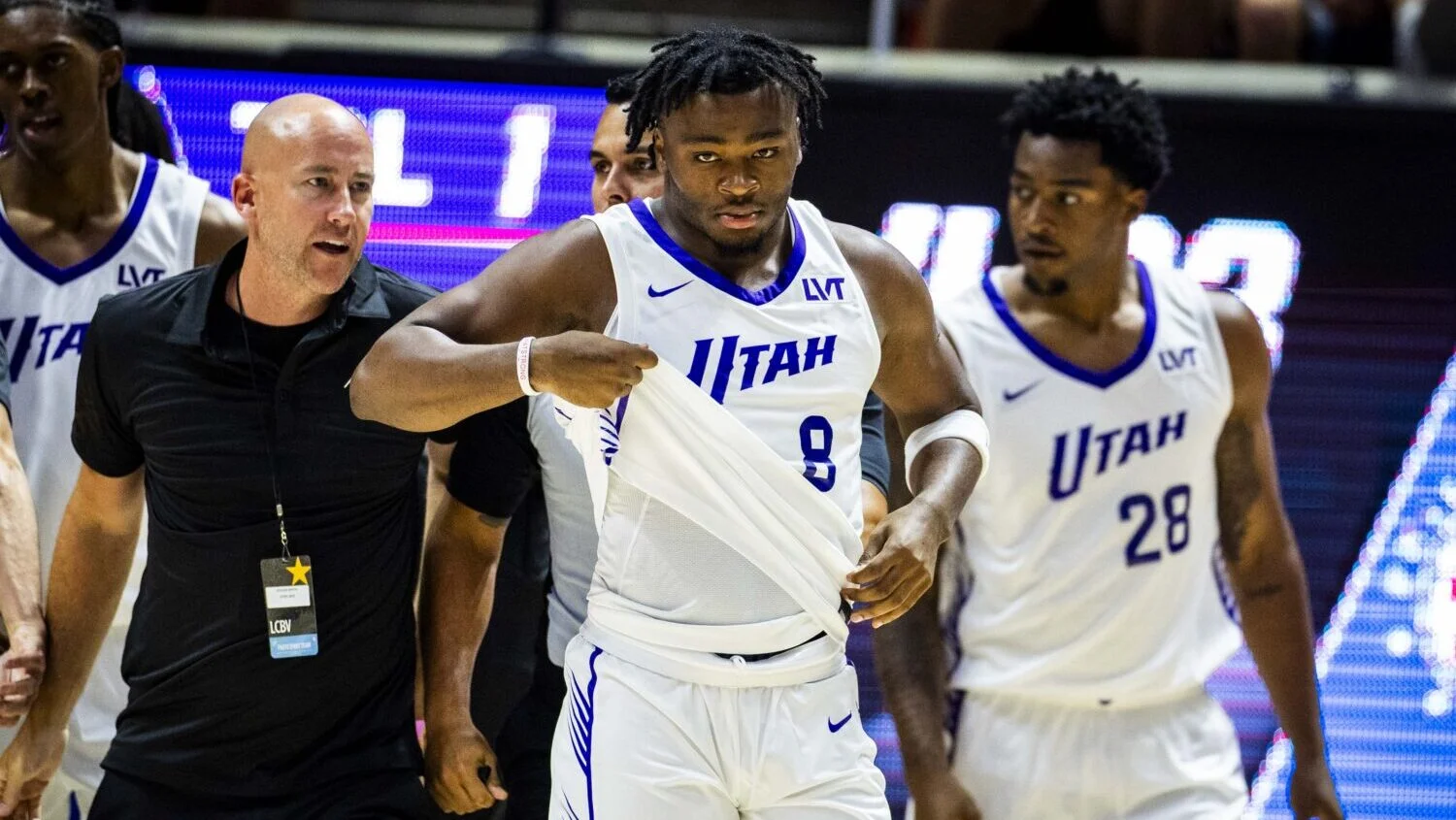

The SLC Summer League tipped off with high energy, featuring highlights like Isaiah Collier’s fiery confrontation and Brice Sensabaugh’s scoring dominance on the court. The event, held in Salt Lake City, serves as a crucial platform where young players demonstrate their skills and competitive drive, making the Summer League more than just a developmental showcase.
One notable incident occurred in the second quarter when Isaiah Collier clashed physically with Keve Aluma beneath the basket, sparking intense moments that reflected the competitive nature of the league. Meanwhile, Brice Sensabaugh, representing the Utah Jazz, displayed a clear edge over opponents by scoring 19 points on nearly 54 percent shooting, with the majority of his points coming in the first half.
Emerging Talent Proves Their Worth in Early Games
Aside from Sensabaugh’s impressive scoring, Kyle Filipowski also made a strong statement despite a slow start, finishing with 22 points, six rebounds, and a block while shooting at 73 percent. These performances underline that several players, though not yet seasoned stars, are there to reinforce their established capabilities rather than just seek entry into the league.
The Utah Jazz’s rookies, Ace Bailey and Walt Clayton, exhibited the classic traits of first-year players but showed promise through brief flashes of skill. Their early contributions hint at potential growth during the league’s progression, validating their selections in the recent <a href=”https://www.buzzineintl.com/category/basketball/nba/”>NBA draft.
The True Purpose of the Summer League for Young Players
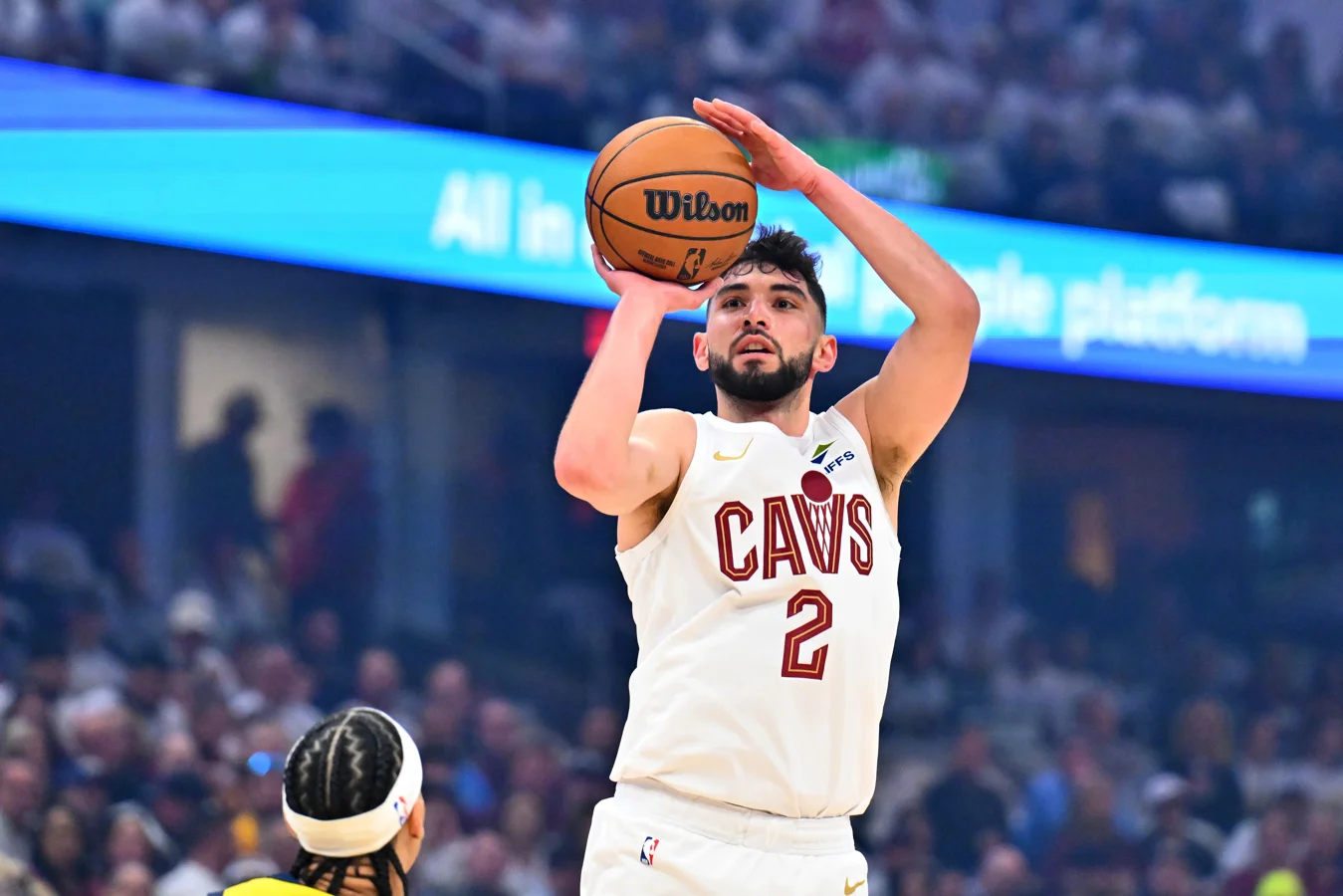
The Summer League is widely recognized as a testing ground where young talents gain valuable playing time and work on refining specific aspects of their game ahead of the NBA season. However, it does not serve as a definitive measure of future success or failure. Historical examples illustrate this point well; for instance, Steph Curry struggled in his 2009 Summer League debut, shooting only 32 percent but later became an NBA superstar.
Similarly, Nikola Jokic averaged modest numbers early on in 2015, and Victor Wembanyama faced shooting challenges in his debut two years ago. Despite those initial hurdles, their careers flourished afterward. Conversely, some Summer League standouts, like 2012 Co-MVP Josh Selby and 2014 MVP Glen Rice Jr., did not achieve sustained NBA success, emphasizing the league’s unpredictable nature.
This perspective encourages fans to appreciate the highlight moments and new talent reveals without overestimating early performance outcomes.
Competitive Spirit and Growth Opportunities Highlight the Event
The tension between Isaiah Collier and Keve Aluma highlighted the league’s intensity early on, illustrating that players approach Summer League with a strong desire to compete. Meanwhile, Brice Sensabaugh’s scoring prowess demonstrated his ability to rise above many of his peers, suggesting he could be a key contributor for the Utah Jazz moving forward.
Kyle Filipowski’s efficient shooting and rebounding also signal promising potential, though both he and Sensabaugh need more playing time to sharpen their defense and positioning. For rookies like Ace Bailey and Walt Clayton, the experience itself is invaluable, providing a real-time environment to build confidence and adapt to professional competition.
What the Summer League Means for the Future
The Summer League functions as both a spotlight and a proving ground, helping teams evaluate talent and allowing players to develop before the regular NBA season begins. For passionate fans in Salt Lake City and beyond, the performances of players like Isaiah Collier, Brice Sensabaugh, and others provide an early glimpse of what to expect in the coming months.
Ultimately, the lessons learned here will influence how players adjust and grow, potentially shaping their roles in the NBA. As the competition continues, the Summer League will remain a critical step in the careers of these young athletes and an exciting preview for basketball enthusiasts.