
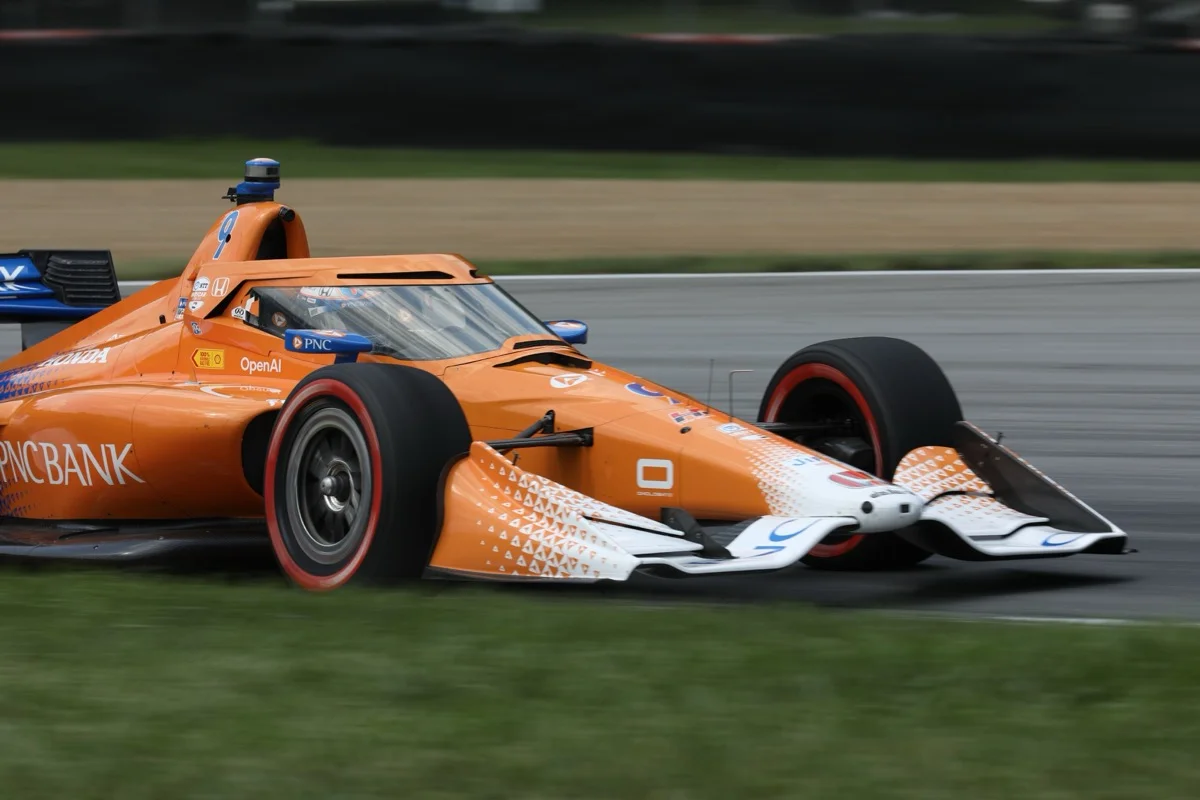

After his impressive victory at the Mid-Ohio race, Scott Dixon provided his perspective on the forthcoming 2028 IndyCar challenger and expressed a desire for a third engine manufacturer to join the current Honda and Chevrolet lineup. He emphasized that introducing a new car makes sense only if it brings significant improvements to racing quality or the overall spectacle.
The 2028 car, which was initially set for a 2027 debut, has been delayed to 2028 to allow essential modifications to engine regulations and the energy recovery system rules. This update involves a fresh chassis design and a revised engine formula featuring a larger 2.4-liter twin-turbocharged V6, an increase from the existing 2.2-liter engines.
In addition to technical enhancements, the design team is prioritizing an eye-catching appearance to attract younger fans. Design work is progressing behind the scenes, with testing slated to start in early 2026.
Regarding these changes, Dixon told Racer Network:
“First drove this car in 2011, we’ve been in a situation we were maybe going to have a new car five or six times, so this car was the next one, maybe 25. But you know, honestly, unless you’re gonna make some big change that makes the racing better or the performance of the car better, what’s the point?”
He added his thoughts on the significance of expanding manufacturer competition:
“You’re just gonna spend a ton of money, the product is really good. So we’ll have to see where it goes. I think what is really huge for the sport would be adding a third manufacturer.”
Dallara remains responsible for developing the chassis of the 2028 car, continuing its long-standing relationship with IndyCar.
Dixon’s performance amid the competitive 2025 IndyCar season
The 2025 IndyCar season has been largely dominated by strong performances from Scott Dixon’s Chip Ganassi Racing teammate, Alex Palou, who secured six Grand Prix victories, and Andretti Global’s Kyle Kirkwood, who earned three wins.
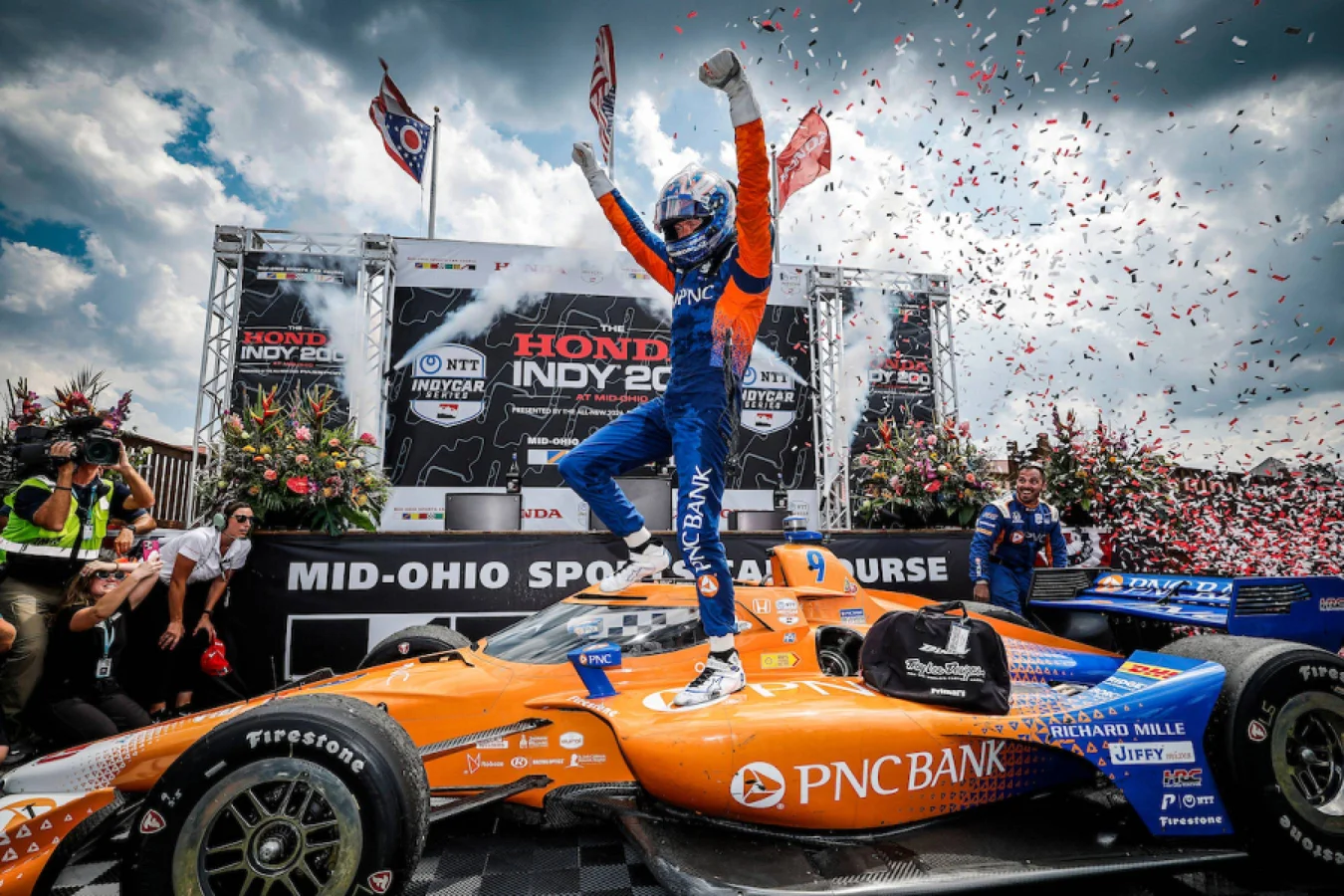
Nonetheless, Dixon made a notable mark by winning the 90-lap 2025 Honda Indy 200 at Mid-Ohio. Following his victory, the 44-year-old expressed enthusiasm and gratitude in a FOX interview:
“It was definitely a tough race, full credit to everybody at Chip Ganassi Racing. I’m not sure where Kyffin was, but I’m sure he was right there as well. Fantastic, it was my fault in qualifying. But just so much fun, to you know to try and pull off what we did.” — Scott Dixon, driver
After completing ten of the seventeen races scheduled this season, Dixon sits fourth in the driver standings with 282 points. The next challenge for him and the field will be the upcoming race weekend in Iowa.
The potential impact of the 2028 car changes on IndyCar racing
The introduction of the 2028 car represents a pivotal moment for IndyCar as it aims to modernize its technology and appeal to new audiences. With the updated 2.4-liter twin-turbo V6 engine, revised chassis, and enhanced design, organizers hope to revitalize competition and excitement on the track.
Scott Dixon’s call for a third engine manufacturer underscores the desire to increase manufacturer rivalry, which could lead to more innovation and closer racing. Adding a new player alongside Honda and Chevrolet not only diversifies the grid but also raises the stakes for engineering and performance breakthroughs.
Testing starting in early 2026 will provide critical insights into how these changes perform in practice, setting the stage for the full debut in 2028. As the sport moves toward this transition, drivers, teams, and fans alike look forward to witnessing how these developments shape the future of IndyCar racing.
Our Reader’s Queries
Q. How much does Scott Dixon get paid?
A. Driver salaries are often kept private, but reports say these IndyCar drivers are among the highest earners in 2025: Colton Herta makes $7 million. Pato O’Ward earns $5 million, and Scott Dixon receives between $3.5 million and $4.5 million.
Q. What is Scott Dixon’s salary?
A. His WWE contract is estimated to bring him around $80,000 each year.