
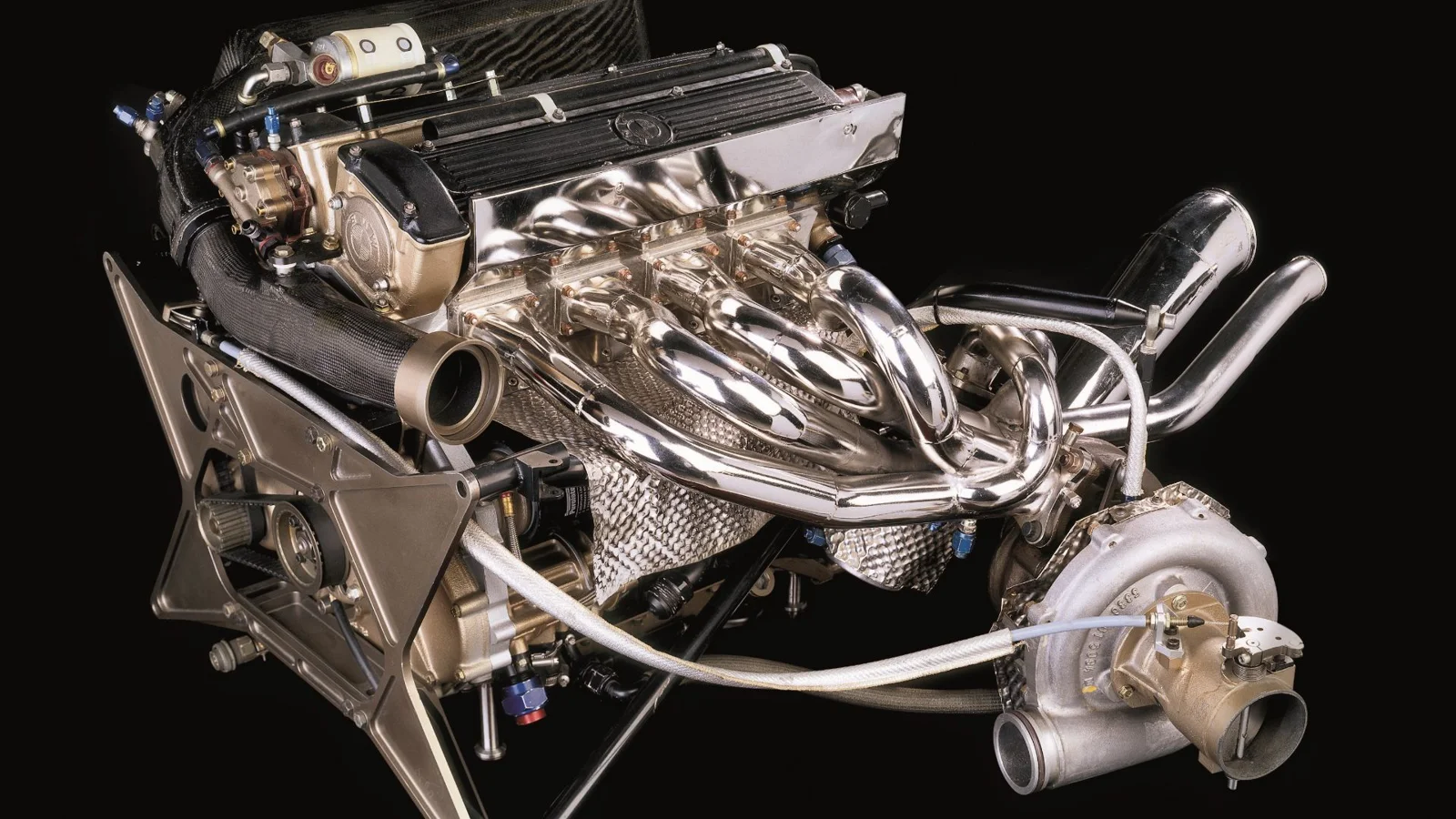

The debate over Formula 1’s future engine regulations has resurfaced with renewed vigor, as FIA president Mohammed Ben Sulayem has advocated for a return to naturally aspirated V8 or V10 engines in upcoming seasons. This proposal comes amid ongoing discussions about how to balance technological innovation and the sport’s traditions, with many considering the potential impacts on performance and spectacle that such an engine return and innovation could bring to Formula 1.
F1’s shift toward turbocharged hybrid power units in 2014 introduced cutting-edge technology that prioritized efficiency and sustainability but also added complexity, weight, and cost. These hybrid systems exceed 900 kilograms in total car weight at race start, making them considerably heavier and larger than other open-wheel racing categories such as IndyCar, which weighs under 770 kilograms and features a shorter wheelbase.
Challenges and Benefits of Current Hybrid Power Units
The modern hybrid era was motivated by aligning Formula 1 with the automotive industry’s move toward electrification, enabling manufacturers to leverage the sport’s platform for research and marketing. However, this direction came with trade-offs; the engines became quieter and less engaging to fans who remember the loud and visceral sound of previous eras. The complexity of hybrid systems, including electric batteries and energy recovery components, also drove up costs that once threatened the viability of smaller teams.
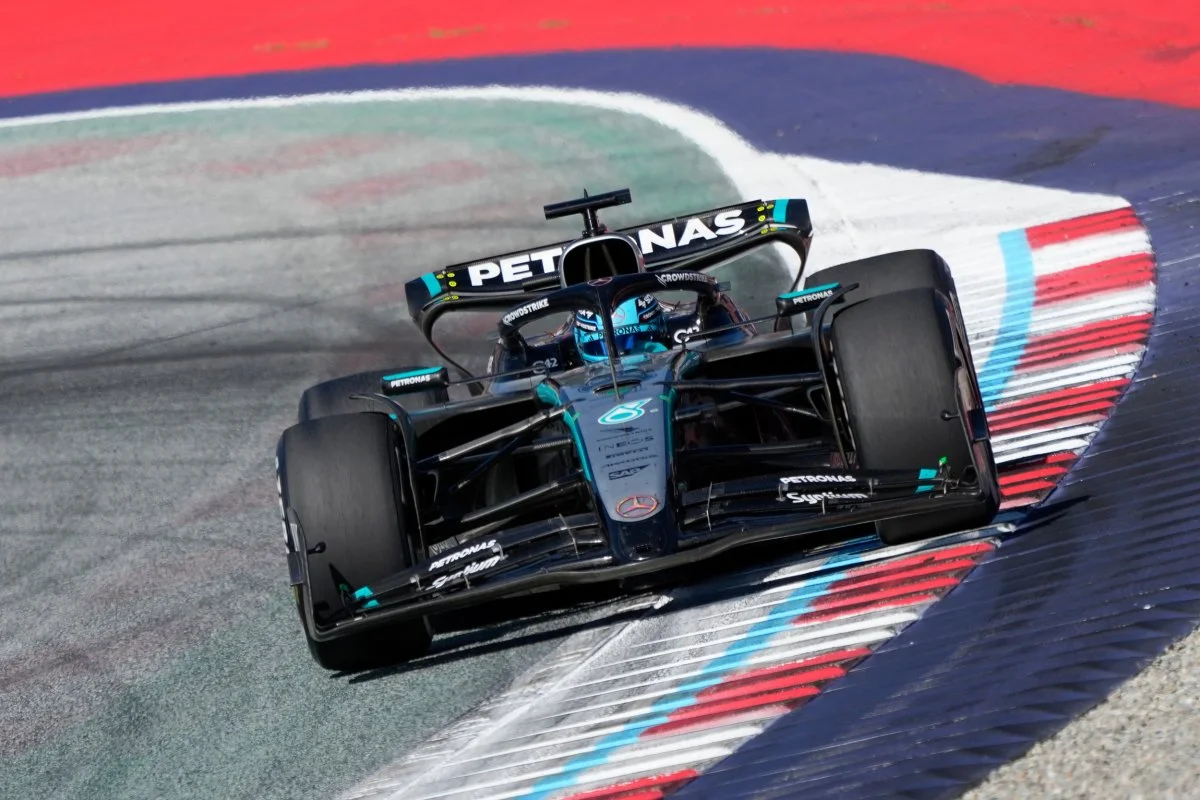
With Formula 1’s financial health now considerably improved and teams more stable, the necessity of hybrid power units tied closely to automotive industry trends is less compelling. Advances in sustainable fuels now offer an alternative path that could sustain internal combustion engines without sacrificing environmental responsibility. This shift could reduce reliance on hybrid technology and open pathways for different engineering solutions in future power units.
Exploring Opportunities Beyond a Simple Return to V8 or V10 Engines
Mohammed Ben Sulayem’s vision to bring back normally aspirated engines reflects a desire to reconnect with the sport’s heritage. However, some argue that Formula 1 has an opportunity to go further by allowing manufacturers the freedom to develop a variety of engine architectures within a newly relaxed regulatory environment. This approach could revive the innovation and diversity seen during earlier decades when the grid featured vastly different power units – from Ferrari’s V12s to the diverse Cosworth DFV, BRM’s H16, and even Subaru’s 12-cylinder attempts.
Historically, engine regulations became highly prescriptive to control costs and level competition, but such rules also limited technical creativity and variety. Today’s cost cap might provide enough financial discipline to permit a more open design environment, encouraging manufacturers or boutique suppliers to choose their own configurations and develop powertrains that reflect their unique approach to performance and sound.
Potential for Diverse Engine Architectures on the Grid
Embracing regulatory flexibility could lead to dramatic contrasts between teams: a Ferrari with a high-revving V12 harmonizing with the raw power of Red Bull’s V8 and a hybrid Mercedes power unit blending electrification with internal combustion. Such variety would revive the engineering spirit foundational to Formula 1 and enhance competition through distinct technical identities.
Although incumbent manufacturers may be reluctant to alter or abandon substantial investments in current hybrid projects, a transitional period that permits both existing and new engine designs might stimulate development. This could reignite rivalries on and off the track as different technologies strive to outperform one another, appealing to fans who long for a richer audio and visual spectacle.
What Lies Ahead for Formula 1’s Engine Regulations?
Looking toward 2025 and beyond, the sport faces a critical crossroads between preserving hybrid technology and reintroducing or innovating with naturally aspirated and hybrid combinations. The FIA’s regulatory framework update provides a foundation for experimentation, potentially encouraging more manufacturers to enter or diversify their power unit programs.
This evolution could reshape Formula 1’s sound and speed dynamics, restore some of the classic engine character lost in recent years, and expand the sport’s appeal across technological and fan spectrums. As teams and manufacturers prepare for major regulation changes, the possibility of a multi-configuration grid highlights a future where engine innovation and racing heritage coexist to inspire competition and excitement.
Our Reader’s Queries
Q. Which F1 driver has ADHD?
A. Lewis Hamilton, born in 1985, is a racing driver from the UK. He races in Formula One for Mercedes and has previously driven for McLaren. Hamilton openly talks about living with ADHD and shares his various interests and passions.
Q. Why is number 17 banned in F1?
A. The number 17 is the sole driver number in Formula 1 that has been officially retired. This decision honors the memory of Jules Bianchi, a French driver. Bianchi used the number 17 when he had a terrible accident at the 2014 Japanese Grand Prix. He fought for nine months but succumbed to his injuries in 2015.
Q. Is number 69 allowed in F1?
A. Drivers can pick any number from 0 to 99 as their permanent racing number, except for number 1. The current World Drivers’ Champion can choose to use the number 1, but it’s not necessary for them to use it.
Q. What F1 drivers have ADHD?
A. Lewis Hamilton. Born in 1985, Sir Lewis Carl Davidson Hamilton is a British Formula One driver for Mercedes and previously for McLaren. He openly talks about his experiences with ADHD and shares his various interests and hobbies.