
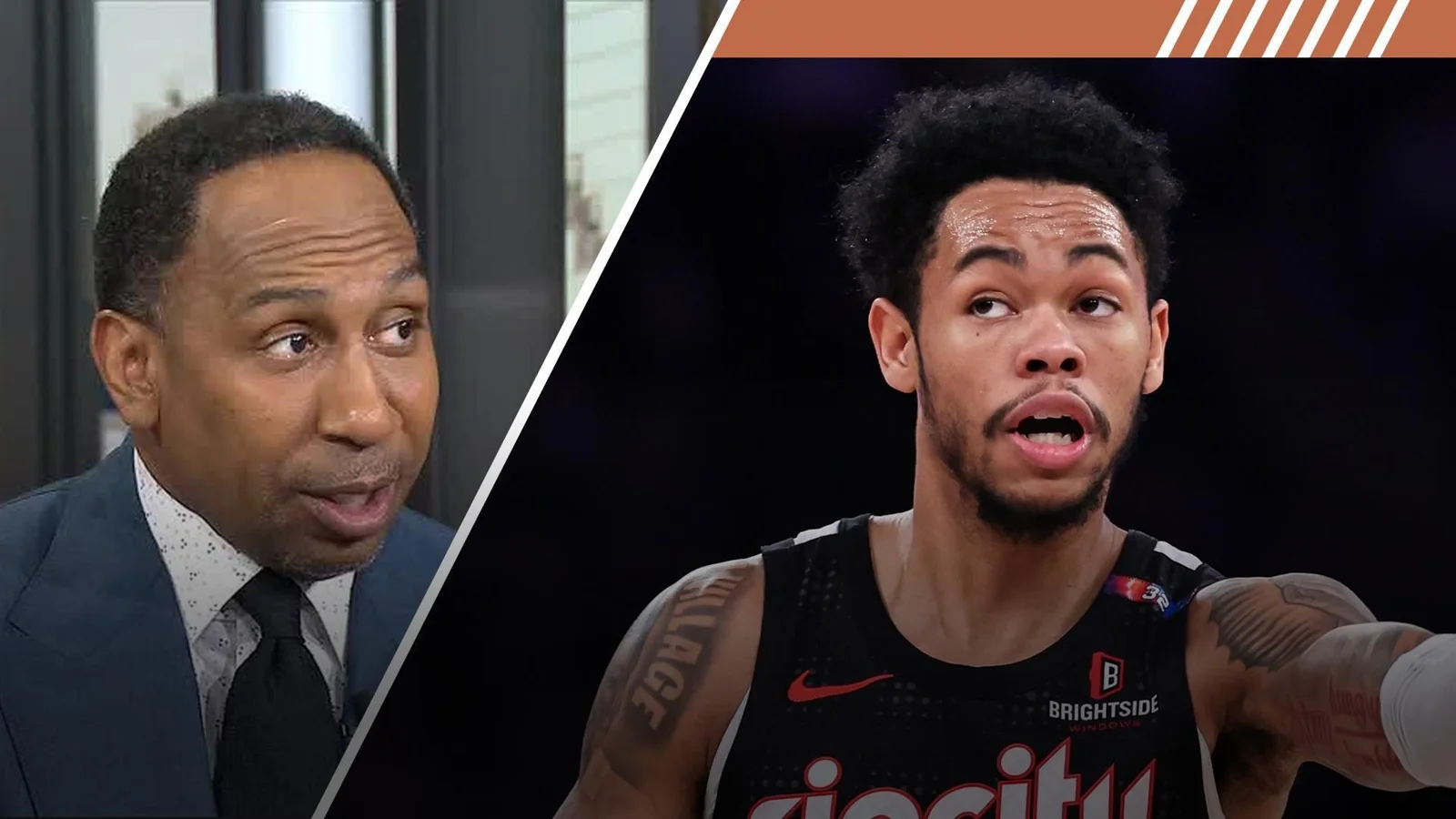

The Portland Trail Blazers recently acquired Jrue Holiday in a trade that has sparked concern due to unsettling medical evaluations and a significant financial commitment. Known as a two-time NBA All-Star and two-time World Champion, Holiday’s reputation as a defensive stalwart and clutch contributor preceded him, yet this deal has left many questioning the move. Executed during the week of the 2025 NBA Draft, the trade saw Portland exchange young guard Anfernee Simons along with absorbing a decade of age and a salary commitment exceeding $30 million per year for three seasons. The Blazers also navigated altered terms after medical reviews signaled potential health issues, complicating the expected benefits of adding Holiday to their roster.
Jrue Holiday’s Profile and Defensive Prowess
Jrue Holiday stands out as one of the era’s most reliable two-way guards. Throughout a 16-year NBA career, he has been named to six All-NBA Defensive Teams and earned consideration for Defensive Player of the Year five times. His style combines physical, smart defense with efficient scoring and a strong assist-to-turnover ratio. While not a household name on the magnitude of players like LeBron James or Kevin Durant, Holiday occupies a special role among players who boost team success without dominating headlines. His basketball IQ and work ethic have long been recognized as assets that improve teams beyond the stat sheet.

Shifts in Trade Terms After Medical Findings
Initially, reports indicated that Portland might send two second-round draft picks along with Simons to Boston, but updated sources confirmed the picks were removed from the deal after the Blazers reviewed Holiday’s medical records. A league source disclosed,
“A recent review of Holiday’s medicals showed nothing substantial enough to warrant the trade being negated, but there was enough in the findings to lead the Blazers to change the terms of the deal slightly,”
—League Source, confirming the adjustments. This move allowed Portland to retain draft capital, but cast doubt on Holiday’s long-term fitness and durability, raising alarm bells regarding the wisdom and feasibility of the acquisition.
Questions Surrounding Fit and Team Direction
The Blazers find themselves in a precarious spot with this trade, as Jrue Holiday’s skills and stage of career do not align comfortably with Portland’s current trajectory. Unlike Boston, where Holiday was a complementary piece on a championship-contending roster, Portland’s core consists mostly of inexperienced players in the first four years of their NBA careers. Holiday, now 35, is far from a natural fit in a young, evolving squad that requires a foundational star and consistent scoring threats. Rather than filling a missing puzzle piece, Holiday and forward Jerami Grant stand out as veteran anomalies on a team still seeking its identity.
Offensive and Defensive Implications for the Blazers
While Holiday has long been respected for his defensive impact, the Blazers entered the trade already boasting solid team defense compared to their offensive struggles. Offensively, Portland hopes Holiday can elevate his shooting percentages back toward his career averages of 48% from the field and 43% from three-point range, after last season’s decline to 44% and 35%. Still, he is not expected to carry the scoring load, making it unclear if his offensive contributions will provide much more than what the current young players offer. Meanwhile, if Holiday aims to increase his minutes, that could reduce the development time for promising youngsters, potentially creating a logjam in the lineup.
Financial Burden and Roster Challenges
Portland faces a daunting salary cap challenge, as Holiday’s contract accounts for approximately 23% of the total cap, paying him between $32 million and $37 million annually through the next three years. Uncertainty remains whether Holiday will start or come off the bench, but both options carry drawbacks: either limiting playing time for rising talents or overpaying for a reserve role. The combination of his age, injury concerns, and salary size intensifies these challenges and casts a looming shadow over roster flexibility in the near future.
The Weight of Medical Concerns on Trade Outlook
The emergence of medical questions surrounding Holiday adds a troubling layer to an already complex trade. These concerns not only influenced the adjustment of trade terms but also cast doubts about his ability to sustain high-level performance. Portland is banking on a rebound season from Holiday to provide wins and set an example for its young core. However, the risk of diminished health raises the possibility that Holiday could become a liability on the court and in mentoring roles throughout his contract’s duration. The fear is that this trade may grow into a costly mistake if Holiday’s production declines or if he misses significant time due to injury.
Leadership and Mentorship Potential Under Threat
One of Holiday’s anticipated intangible benefits is his leadership on and off the court, particularly his capacity to mentor younger players. As a seasoned point guard recognized for his energetic and efficient play, Holiday’s influence could be invaluable in guiding Portland’s youth. Yet, this mentorship is contingent on his health and ability to contribute meaningful minutes. Should injuries or decline limit his court presence, his role as a mentor would be greatly diminished. While some veterans serve as locker room leaders with minimal playing time, compensating Holiday at his current salary for that role alone would represent a significant overpay.
Future Trade Prospects Complicated by Medical Issues
The Blazers must also weigh the implications if they decide to move Holiday before the contract expires. Medical red flags decrease his trade value dramatically, making it difficult for Portland to recoup assets down the line. A strong start to the season would be necessary to generate interest, but barring that, Holiday risks becoming a long-term cap burden like Jerami Grant threatens to be. This financial inflexibility could hinder the Blazers’ ability to maneuver toward the star player their rebuilding process requires.
Reflecting on the Trade’s Long-Term Impact
Despite Jrue Holiday’s undeniable talent and past accomplishments, the circumstances surrounding this trade raise serious questions about its prudence. Portland sacrificed a promising young guard for a veteran nearing the latter stages of his career who may struggle to stay healthy or deliver consistent performance. The revised deal, sans draft picks, may seem safer on paper but highlights the uncertainty of Holiday’s future contributions. If this trade fails to yield positive results, the Blazers could face midway regret and ongoing debate about what went wrong as far out as 2028.
Comparison to Other Successful Trade Moves
The Blazers have demonstrated success in transforming lesser-known players into valuable contributors—Toumani Camara and Deni Avdija exemplify this approach. In contrast, converting an established, steady veteran like Holiday into a “cap paperweight” due to team context or health issues would mark a departure from that positive pattern. Without further moves or an unexpected resurgence from Holiday, this trade risks becoming a cautionary tale instead of a building block.
Remaining Hopeful Amid Uncertainty
It remains possible that hidden roster maneuvers or an unforeseen peak in Holiday’s performance could justify this acquisition. A late-career revival could add value on the court and in leadership roles. However, the Blazers’ current position—blended with Holiday’s advancing age, uncertain health status, and salary demands—makes this a high-stakes gamble. The hope persists that Holiday’s time in Portland won’t be remembered as a squandered opportunity but the realities pose a sobering challenge for the franchise and its fans.