
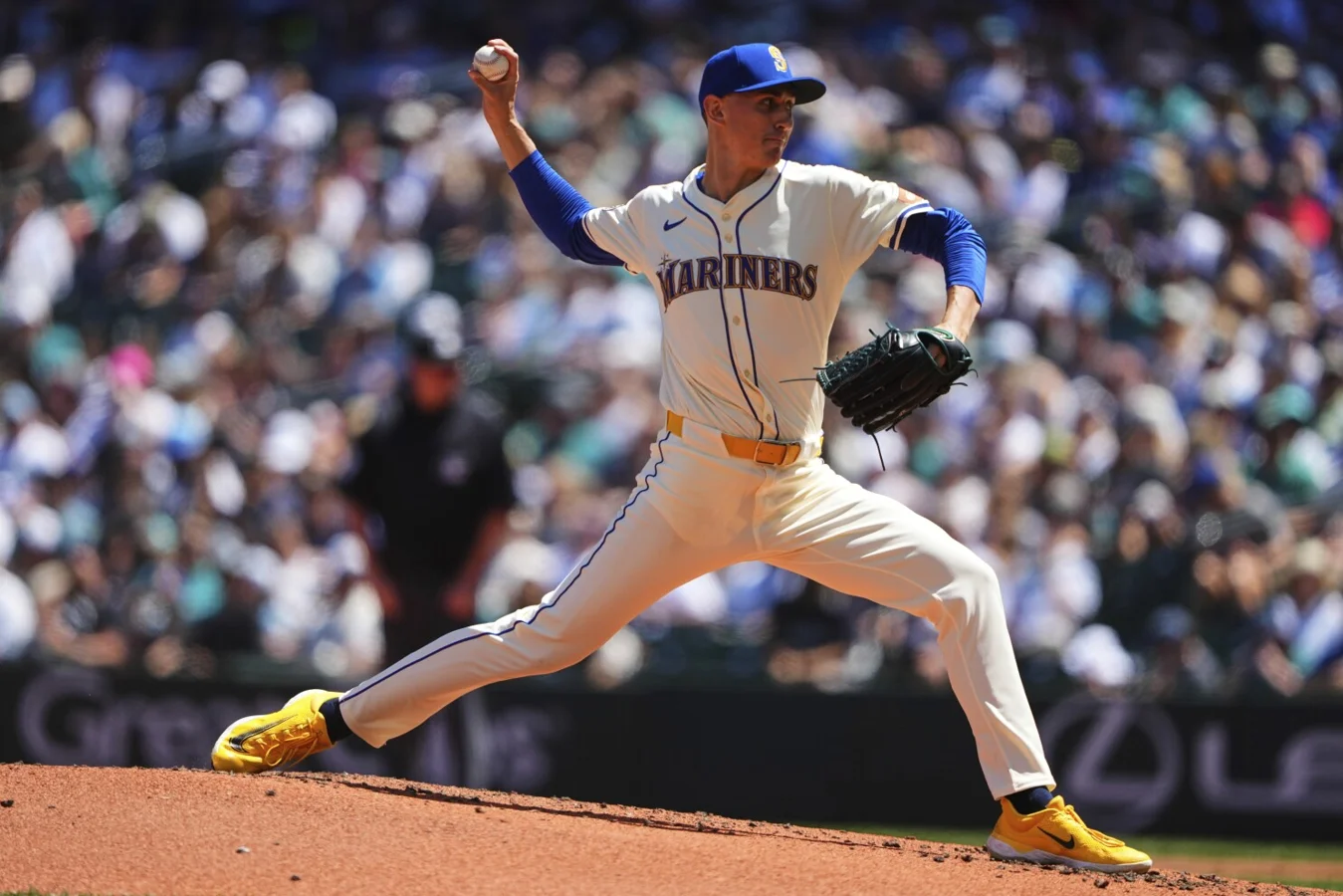

The 2025 MLB Draft is set for the upcoming All-Star break, with all 30 teams eagerly aiming to select their next cornerstone player, whether it be a franchise ace or an everyday position player. This spotlight includes Paul Skenes, whose rise offers a significant highlight in the latest Paul Skenes MLB draft review, emphasizing the stakes and potential rewards of a No. 1 overall pick.
The Washington Nationals, benefiting from the draft lottery won in December, possess the No. 1 pick for only the third time in franchise history. Their previous No. 1 selections, Stephen Strasburg in 2009 and Bryce Harper in 2010, both became franchise cornerstones, with Strasburg vital to their 2019 World Series victory and Harper earning an MVP. With the draft only days away on July 13, reflecting on the last decade of No. 1 picks provides insight into how these choices have influenced the game.
Arizona’s 2015 Choice: Dansby Swanson’s Complex Legacy
In 2015, the Arizona Diamondbacks selected shortstop Dansby Swanson from Vanderbilt as the first overall pick. However, six months later, they traded him to the Atlanta Braves, a decision viewed as disastrous for Arizona. This was the first draft under a new rule that permitted trading drafted players six months after signing their contracts, implemented following complications with Trea Turner’s earlier stalling.
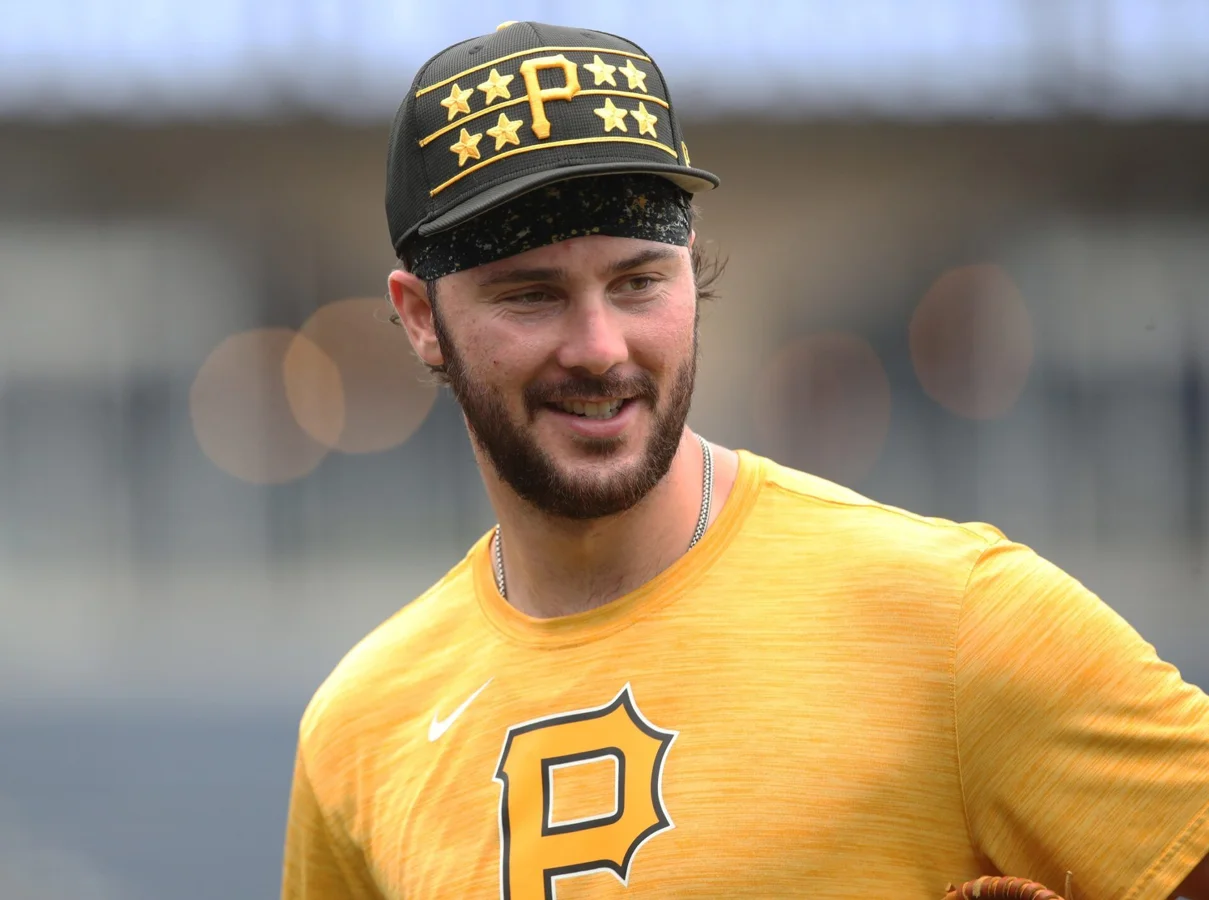
The trade sent Swanson, along with Aaron Blair and Ender Inciarte, to the Braves in exchange for Shelby Miller and Gabe Speier. Miller, an All-Star in 2015, quickly lost effectiveness and underperformed for several years, while Blair failed to make a significant impact. Inciarte, however, contributed defensively with three Gold Gloves for Atlanta. Swanson developed into a reliable player over seven seasons, highlighted by a home run and the final out in Atlanta’s 2021 World Series victory.
Now 31 and playing for the Chicago Cubs under a seven-year, $177 million contract, Swanson has demonstrated above-average performance at a highly valuable position. Despite this, the D-backs’ decision to trade him away marked a pivotal misstep, symbolizing a downturn for former GM Dave Stewart’s tenure.
Swanson joins two other players — Shawn Abner (1984) and Adrián González (2000) — to be No. 1 picks who were traded before reaching the majors. In hindsight, while Swanson was a worthy 2015 selection, players like Alex Bregman and Kyle Tucker, both selected later that year by Houston, might have provided more substantial returns.
Philadelphia’s Questionable 2016 No. 1: Mickey Moniak’s Struggles
Mickey Moniak entered the 2016 draft as an athletic standout from Southern California, possessing qualities scouts covet: a smooth left-handed swing, speed, and good defensive instincts. The Phillies selected him first overall, but his performance declined rapidly, struggling offensively with a .236 average in Single-A during 2017. By 2018, he was off Baseball America’s top 100 prospects, and after debuting in 2020, he was traded to the Angels for Noah Syndergaard in 2022. Now with the Colorado Rockies at age 27, Moniak is viewed as a fourth or fifth outfielder rather than a star.
Given the weak 2016 draft class’s overall output—totaling negative WAR for the first five picks—Philadelphia’s choice did not pay off. Other players like Will Smith and Pete Alonso, though drafted later, have made greater impacts, indicating the Phillies missed an opportunity at No. 1.
Injuries Hamper Twins’ 2017 No. 1: Royce Lewis’s Interrupted Progress
Royce Lewis was another highly touted Southern California prep, admired for his bat, defense, athleticism, and character. Ranked a top-10 prospect, Lewis’s progress was derailed by serious injuries, including two ACL tears. He debuted with the Twins in 2022 and showed flashes of brilliance in 2023, with a .309 average and 15 homers in just 58 games. Nonetheless, ongoing injury issues have limited his consistency as Minnesota’s starting third baseman.
With the benefit of additional hindsight, Lewis’s selection looks less favorable compared to Hunter Greene (No. 2 pick in 2017), who has become an influential starter when healthy. While Lewis remains young enough to rebound, the impact he was expected to deliver has been curtailed by injuries.
Detroit’s 2018 First Pick: Casey Mize’s Promising but Interrupted Career
Casey Mize entered the 2018 draft with a dominant season at Auburn, ranking as the clear top prospect. Despite some shoulder injuries delaying his progression, he reached MLB by 2020 and posted a strong 2021 campaign, earning 3.4 WAR with a 3.71 ERA over 30 starts. However, Tommy John surgery in 2022 sidelined him for much of the season. Mize has returned healthy in 2024 and shines as a key starter for the AL Central-leading Tigers.
Evaluating the draft now, some suggest Logan Gilbert or Tarik Skubal would have been better choices, though neither were expected to bloom as much pre-draft. Several mid-to-late round selections from 2018, such as Brendan Donovan and Jeremy Peña, have also developed into valuable players.
The Orioles’ 2019 Draft: Adley Rutschman’s Solid but Unspectacular Start
Adley Rutschman stood out in 2019 as a generational catching prospect, with a remarkable .411 average, power, and plate discipline at Oregon State. He earned the Golden Spikes Award and was a unanimous No. 1 pick for Baltimore. After delays from the pandemic and injury, Rutschman debuted in 2022, becoming a two-time All-Star and MVP vote recipient. His performance has tapered since, settling into an above-average catcher role rather than the superstar many expected.
Despite Rutschman’s talents, the Royals’ No. 2 pick, Bobby Witt Jr., has emerged as one of baseball’s brightest stars, making Baltimore’s passing on Witt a notable debate. Additionally, Gunnar Henderson, a later Orioles pick, boasts more WAR than Rutschman so far in his career.
2020 Tigers Pick Spencer Torkelson: A Draft Mired by Pandemic Uncertainty
The 2020 MLB draft suffered from the pandemic’s impact, limiting scouting data significantly. Spencer Torkelson was the favorite entering the draft and delivered strong college numbers before the shutdown. The Tigers selected him No. 1 overall, and he reached the majors by 2022, slugging 31 homers in 2023. However, struggles led to a demotion to Triple-A in 2024, with the Tigers acquiring other players at his position.
Despite a rebound in 2025, the consensus leans toward this not being the best pick. Garrett Crochet, the White Sox’s 11th overall pick, has developed into the best player from 2020, with others like Pete Crow-Armstrong showing promise.
Pittsburgh’s 2021 Top Pick: Henry Davis Falls Short of Expectations
The 2021 draft lacked a clear standout and the Pirates opted for Henry Davis with the No. 1 pick, signing him below slot value and using the savings to invest in higher-upside prospects like Bubba Chandler. Davis, a Vanderbilt catcher, was projected as a possible top-10 pick overall but has struggled offensively, posting a career OPS near .600 after his mid-2023 debut.
Alternative selections from 2021, such as Jackson Merrill or Colton Cowser, have developed better. Thus, this pick is widely regarded as a misstep, reflecting Pittsburgh’s cautious approach with the No. 1 pick.
Jackson Holliday’s Rapid Rise for Baltimore in 2022
Jackson Holliday, son of former MLB player Matt Holliday, was overshadowed early by Druw Jones as a draft prospect. Baltimore’s No. 1 selection, Holliday quickly emerged as the game’s top prospect within his first professional season, hitting .323 and advancing to Triple-A by age 19. He debuted in MLB in April 2024 and has been showing recent improvements despite some early struggles.
The 2022 draft class remains largely unresolved, with other players like Zach Neto and Roman Anthony having made impacts. The pick’s success is still to be determined.
Pirates’ 2023 No. 1 Pick: Paul Skenes Defies Doubters
Paul Skenes’s selection by the Pirates in 2023 raised some doubts due to the underwhelming movement metrics of his fastball, despite its triple-digit velocity. Pittsburgh’s confidence paid off as Skenes incorporated a sinker in the minors that enhanced his pitching arsenal significantly. Since his MLB debut in May 2024, he has been arguably the top pitcher in baseball, validating Pittsburgh’s bold choice.
Among the contenders for the 2023 second selection were Wyatt Langford, Jacob Wilson, Walker Jenkins, and Max Clark, but none have matched Skenes’s immediate success.
Guardians’ 2024 No. 1: Travis Bazzana’s Impressive Yet Injury-Affected Start
The 2024 draft lacked a standout top prospect, leading the Cleveland Guardians to select Travis Bazzana, who had an exceptional year at Oregon State with a .407 average and 28 homers in 60 games. Currently in Double-A but sidelined with an oblique injury, Bazzana’s path to the majors has been delayed, though his talent is clear.
Several 2024 picks have debuted in MLB, but none have fully established themselves yet. If the draft were held again today, Cincinnati’s Chase Burns might emerge as the preferred No. 1 pick over Bazzana.
Why the No. 1 Pick Matters: An Unpredictable Gamble
Reviewing the last decade of No. 1 overall MLB Draft picks reveals a chaotic and uneven landscape, with success often dependent on health, development, and sometimes sheer fortune. Paul Skenes’s rapid ascent exemplifies the payoff of a calculated gamble, whereas other picks like Henry Davis or Mickey Moniak illustrate the risk of unmet expectations. Teams like the Nationals have previously benefited tremendously from their top selections, while others have stumbled and altered franchise direction.
As the 2025 MLB Draft approaches, teams will weigh these past experiences, hoping to secure their next impactful player amid a turbulent and always unpredictable process. For Paul Skenes, his early dominance offers a hopeful blueprint of what a No. 1 pick can achieve and the profound influence such selections have on baseball’s future.
Our Reader’s Queries
Q. Why did Pirates pull Paul Skenes?
A. After throwing 99 pitches and recording 11 strikeouts, Skenes was taken out of the game by the Pittsburgh Pirates and their manager, Derek Shelton. During an interview with SportsNet Pittsburgh and other media outlets, Shelton explained that taking Skenes out wasn’t a difficult choice and he fully backs his decision. “Not at all. He was tired,” Shelton stated.
Q. How does Livvy Dunne know Paul Skenes?
A. Famous gymnast Livvy Dunne and her baseball player boyfriend, Paul Skenes, are talking about their popular relationship. It all started when they were students at Louisiana State University.
Q. How many days rest does Paul Skenes need?
A. The Pirates will probably include a sixth starter during busy times in the season. This helps Skenes and others in the rotation have more rest between games. Over time, the star right-hander, Skenes, is expected to settle into a routine of pitching after four days of rest.