
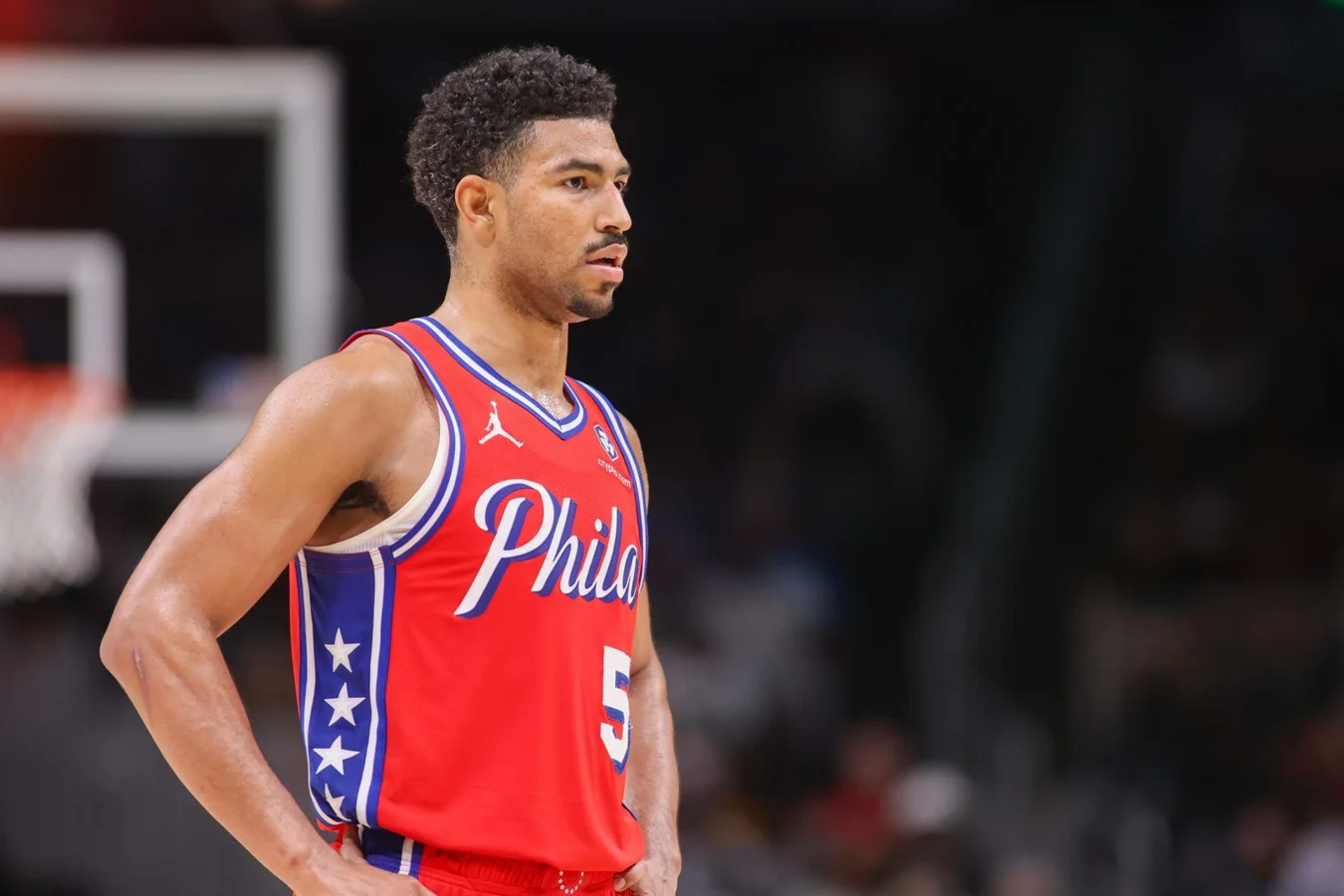

The Utah Jazz continued their aggressive offseason reshuffling on Monday by trading John Collins to the Los Angeles Clippers in a complex three-team deal that brought Kevin Love, Kyle Anderson, and a 2027 second-round draft pick to Utah. This move generated a $26.6 million trade exception, sparking concern among Philadelphia Sixers fans following the ongoing uncertainty surrounding Quentin Grimes’ restricted free agency. With the trade exception potentially usable for sign-and-trade opportunities, the Jazz may appear poised to pursue Grimes, but the true extent of their threat remains unclear.
Current Status of Negotiations Between Grimes and the Sixers
Recent reports from Kelly Iko and Tony Jones of The Athletic revealed minimal progress in contract talks between Quentin Grimes and the Philadelphia Sixers. Despite the lack of significant movement, both sides intend to maintain open lines of communication in the near future. Grimes has reportedly been targeting a contract averaging $25 million per season, a figure that increasingly seems unrealistic given the tightening salary cap landscape across the league. The Sixers, meanwhile, face pressure but still hold the right to match any offer Grimes might sign elsewhere, adding complexity to the situation.
League Dynamics and Their Influence on Grimes’ Market
While unexpected salary cap maneuvers occurred this offseason, such as the Milwaukee Bucks waiving and stretching Damian Lillard‘s contract to sign Myles Turner to a lucrative four-year deal, these moves highlight how only a single aggressive team can catalyze change in free agency markets. The Sixers must remain vigilant as similar desperation from a contender could force difficult decisions regarding Grimes. However, considering the current factors, the Utah Jazz may not represent as significant a threat as initially assumed following the Collins trade.
Trade Exception and Sign-and-Trade Limitations Facing the Jazz
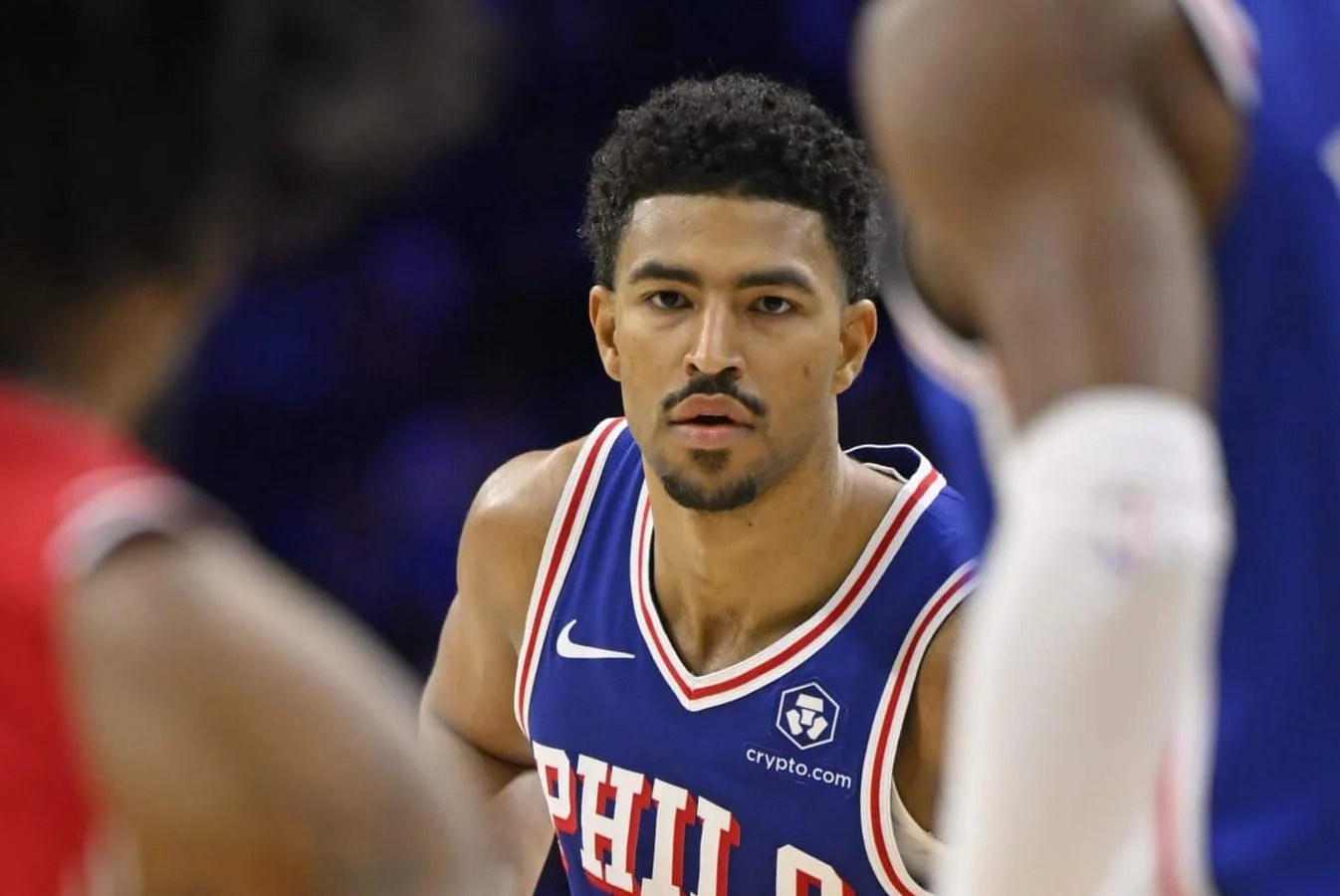
The Jazz’s newly free $26.6 million trade exception from moving John Collins theoretically positions them to pursue a sign-and-trade deal for Quentin Grimes. Recent NBA moves, such as the Atlanta Hawks’ sign-and-trade for Nickeil Alexander-Walker using their Dejounte Murray trade exception, suggest this is a viable path. Despite this, Tony Jones notes the Sixers are nearly certain to retain Grimes and have
“splashed cold water on potential sign-and-trade scenarios,”
significantly reducing the likelihood of departing via this method.
Cap Space Constraints and Contract Structure Challenges
If the Jazz intend to offer a deal to Grimes starting at the maximum $26.6 million allowed by their trade exception, they would require the Sixers’ consent for a sign-and-trade to occur. Without this agreement, Utah would need sufficient cap room to independently extend an offer sheet at that value. Trading Collins ($26.6 million salary) for Anderson ($9.2 million) and Love ($4.15 million) has enabled Utah to target cap flexibility, and by waiving non-guaranteed contracts belonging to KJ Martin ($8.0 million) and Jaden Springer ($2.3 million), the Jazz could free nearly $18.8 million. This would enable them to propose a four-year, $80.7 million offer sheet to Grimes, though Philadelphia remains a strong contender to match.
Potential for Buyouts and Risks of Cap Management
Should Utah convince Kevin Love to agree to a buyout, they could expand their cap space further and potentially increase their offer to Grimes. However, dropping below the salary cap to free additional space would nullify their $26.6 million trade exception, a valuable asset they risk losing. Jazz president of basketball operations Austin Ainge appears cautious about sacrificing this exception, prioritizing its preservation for future strategic moves. The gamble of signing Grimes at a high salary and risking the trade exception if the Sixers match the offer sheet poses significant risk.
Jazz’s Strategic Direction and Team-Building Philosophy
Utah’s offseason actions suggest ambivalence about investing heavily in short-term improvements. The team traded away key players John Collins, Jordan Clarkson, and Collin Sexton, acquiring only Anderson, Love (likely to be bought out), and Jusuf Nurkic in return. This signals an intent to remain a cap-space-focused team rather than aggressively pursuing immediate contenders. Statements from insiders convey skepticism about the Jazz’s true desire to enhance short-term competitiveness, especially by adding a player like Grimes who ostensibly would strengthen their roster.
Draft Pick Situation and Impact on Team Outlook
The Jazz’s 2026 first-round pick is obligated to the Oklahoma City Thunder unless it falls within the top eight selections, a scenario that would cancel the pick obligation entirely. This arrangement creates a strong incentive for Utah to rank among the league’s worst teams, as a top-eight finish would protect their draft assets. Although Austin Ainge denies any intent to tank, the pattern of trades and roster management points toward a reconstruction approach that effectively embraces a low-tier ranking this season.
Historical Restricted Free Agency Battles Between Jazz and Sixers
Utah’s recent past includes notably aggressive tactics in restricted free agency, such as their offer sheet for Paul Reed two years ago. That contract included a fully guaranteed first year but contained playoff-dependent guarantees for years two and three, designed to complicate Philadelphia’s decision-making. Despite this sophisticated contract structure, factors such as Joel Embiid’s injury and the Sixers’ early playoff exit rendered parts of Reed’s contract void, making the Jazz’s gambit less costly than anticipated. This history demonstrates the Jazz’s willingness to employ creative and sometimes aggressive maneuvers in restricted free agency.
Possible Contract Innovations to Influence Matching Decisions
Even if Utah cannot extend Grimes a maximum salary offer sheet, they could leverage contract design elements to discourage the Sixers from matching. Provisions such as a 15 percent trade kicker, a player option in the fourth year, or front-loaded payment schedules could make a potential contract less attractive for Philadelphia to match. Conversely, the Sixers could reject such offers entirely, leaving the Jazz with unwanted financial obligations and no Grimes acquisition, illustrating the high stakes involved in these negotiations.
Likely Outcome and Future Considerations for Grimes’ Career
Most analysts and insiders anticipate that Quentin Grimes will ultimately remain with the Philadelphia Sixers this season, despite the standoff in contract talks. If negotiations stall, Grimes could opt to accept his one-year qualifying offer worth $8.7 million, enabling him to enter unrestricted free agency in 2026. Given his unpredictable career trajectory and inherent injury risks, this path might prove prudent to preserve his future earning potential. Meanwhile, the Jazz linger as a potential wild card in the restricted free agency market, though their ability to deliver Grimes his sought-after $25 million yearly contract remains doubtful without Sixers’ cooperation.
“the two sides are hoping to continue communication in the coming days.”
—Kelly Iko and Tony Jones
“looking for a contract that averages $25 million per season,”
—Tony Jones
“splashed cold water on potential sign-and-trade scenarios.”
—Tony Jones