
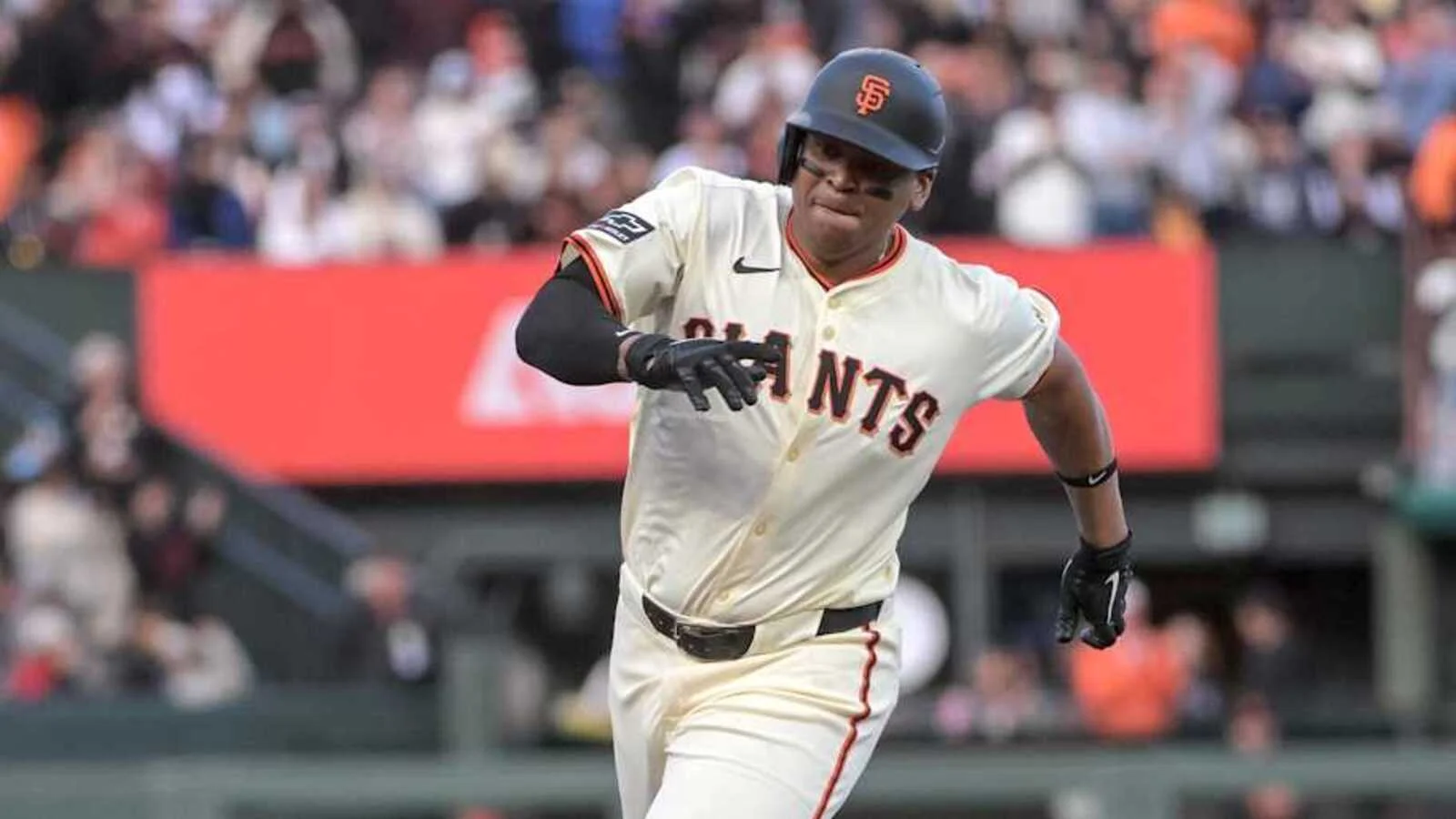

Rafael Devers is drawing criticism after reportedly refusing to work with Giants legend Will Clark during a key transition to first base, sparking controversy just weeks after his much-publicized trade from the Red Sox. This incident has fueled mounting frustration among Giants fans and the team itself as Devers struggles to find his footing both offensively and defensively.
Missed Opportunity with Giants Icon Raises Questions
Upon his arrival, Rafael Devers publicly committed to playing wherever the team needed, emphasizing his willingness to adapt. However, when Will Clark, the six-time All-Star whose No. 22 jersey is retired at Oracle Park, offered support by showing up to help Devers practice first base drills, Devers reportedly did not attend.
“I’m here to give my 100 percent. They’re the men in charge and I’m here to play wherever they want me to play.”
—Rafael Devers
Red Sox broadcaster Will Flemming revealed the details of this absence, adding context that has intensified the backlash.
“I was there the second day. Will Clark was there to work on ground balls with him at first base and Raffy didn’t show up. So that’s the person that these guys have been dealing with for a long time.”
—Will Flemming, Broadcaster
This situation is significant because it involved a chance to learn directly from one of the Giants’ most respected players, a gesture the team and fans expected Devers to embrace. The failure to engage has been seen as disrespectful and out of sync with Devers’ earlier statements of readiness to serve the team’s needs.
Further complicating the narrative, Devers has yet to play any defensive innings at first base since joining the Giants, contradicting his public claims of flexibility. The combination of his absence from crucial training and the lack of defensive contribution has stirred doubts about his commitment and approach.
How Devers’ Performance Has Impacted the Giants’ Season
The Giants acquired Devers with hopes of invigorating a faltering offense as they were tied atop the NL West earlier in the season. His arrival was seen as a potential turning point, providing a dependable middle-of-the-order bat. Yet, since his debut with San Francisco, the team has lost 11 of their last 19 games, causing them to fall seven games behind in the divisional race.
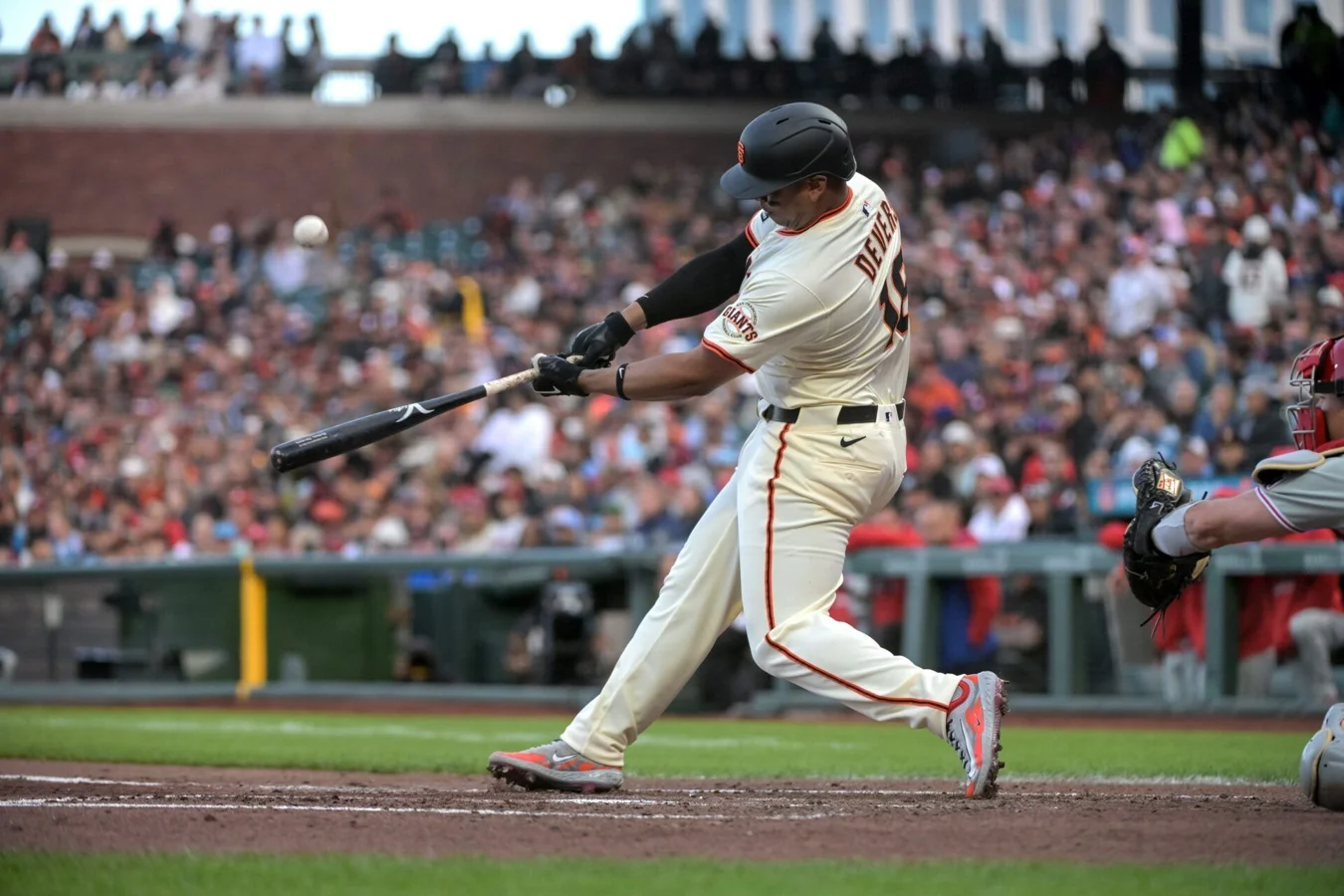
Devers’ individual stats have mirrored this decline, as he is batting just .239 with a slugging percentage of .394, well below the expectations placed on an All-Star of his caliber. This downturn has increased scrutiny from fans and analysts alike, bringing into question whether the Giants sacrificed too much to secure him.
One American League executive offered a tempered view regarding the deal’s risks and rewards.
“They clearly have had trouble attracting marquee, middle-of-the-order, name-brand bats,”
“So I hope it works for them… I don’t think they’ll really miss anything they gave up if Rafael Devers is a good player for them.”
—AL Executive (unnamed)
That “if” reflects the uncertain outcome as tensions rise over the value of the trade. The Giants parted with significant assets, including left-handed starter Kyle Harrison, power pitcher Jordan Hicks, the 2024 first-round pick James Tibbs III, and pitching prospect Jose Bello. While the Giants have depth in their roster, this package was steep and underscores the pressure on Devers to immediately contribute.
Compounding the pressure, teammates like Willy Adames have yet to deliver expected performances, and Matt Chapman has just returned from injury, making Devers’ success even more critical for the team’s hopes. Early returns have been disappointing not only offensively, but also in terms of the clubhouse morale and overall team chemistry.
Fan Reaction and Growing Concerns Over Commitment
The fanbase, initially excited by the blockbuster trade, has seen enthusiasm dwindle as frustration mounts. The optics of snubbing Will Clark—a revered Giants figure—while failing to fulfill his defensive role do not sit well within the community. This disconnect raises questions about Devers’ mindset and his fit with the Giants’ culture.
Many fear that the Giants may be witnessing a repeat of past challenges, notably issues Devers faced in Boston related to commitment and attitude, which some hoped would not follow him west. The incident with Clark, combined with the offensive slump, casts uncertainty over whether Devers can overcome these hurdles and reclaim the promise that prompted the high-profile acquisition.
What This Means for the Giants Moving Forward
The Giants’ gamble on Rafael Devers was designed as a crucial step to boost their playoff chances this year. However, the growing tension between Devers’ words and actions is creating unease inside and outside the locker room. His unwillingness to engage with coaching opportunities from a franchise legend, paired with underwhelming performance, puts the Giants in a difficult position regarding their long-term plans and team dynamics.
Management and fans alike will be watching closely to see if Devers can reverse course, both by contributing more consistently on the field and engaging fully with veteran guidance. For now, the situation remains volatile, exemplifying the challenges that come with integrating a star player into a new environment under intense scrutiny and high expectations.
Our Reader’s Queries
Q. Is Rafael Devers a good hitter?
A. Devers ranks as one of the top hitters among players with significant game experience before reaching the age of 30.