
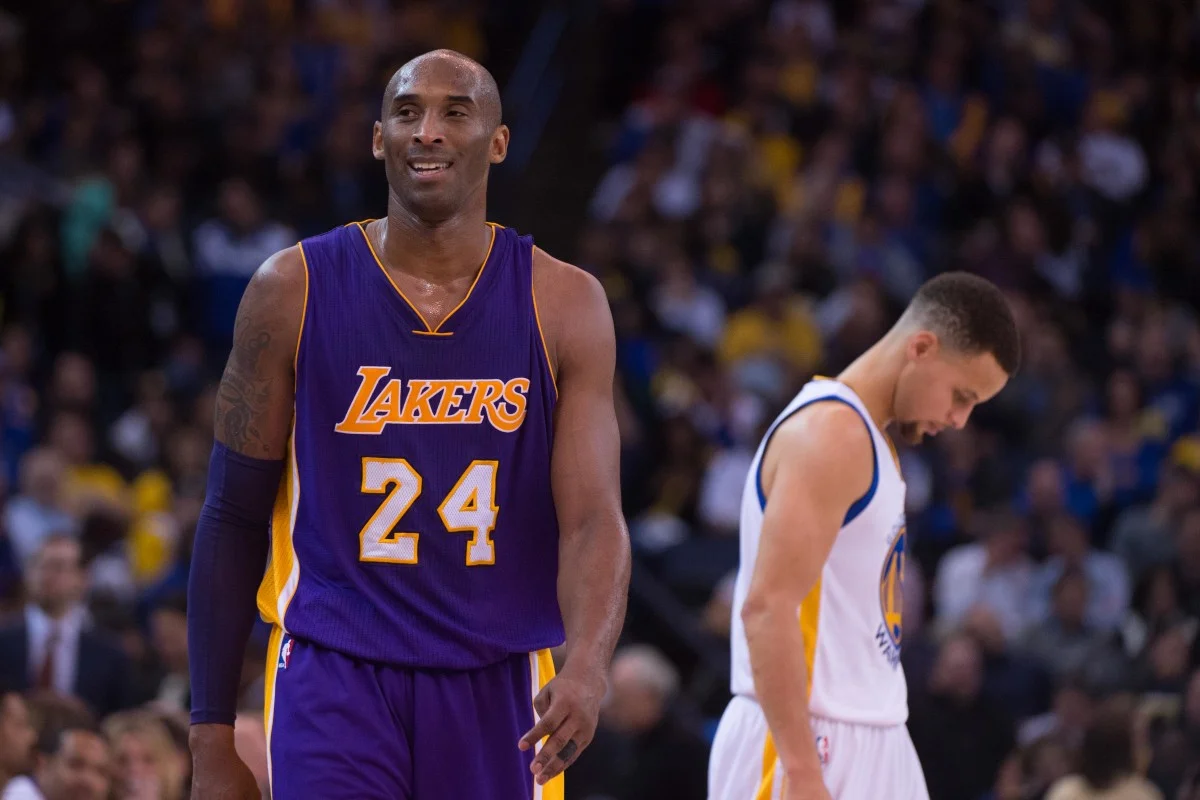

Cedric Ceballos, the 1992 Slam Dunk Champion and former Phoenix Suns player, recently stirred controversy by questioning whether Stephen Curry could succeed in the NBA during the 1990s. Speaking on Byron Scott’s podcast, Ceballos expressed doubts about Curry’s ability to thrive in an era known for its physical defenses and rugged style.
Reflecting on his own experience with the Suns during the 1993-94 season, Ceballos suggested that his team would have no trouble containing Curry’s style. He remarked,
“They don’t expose Steph and the way he plays defense,”
—Cedric Ceballos, former NBA player, casting skepticism on Curry’s defensive abilities despite the latter’s reputation as a top shooter in basketball history.
Financial Differences Shaping the Game’s Physicality
Ceballos also addressed the stark contrast in player earnings between his era and today’s NBA stars like Curry. He highlighted that players back then often earned modest salaries and endured brutal physical play for less compensation.
“These guys are making $100,000 to $200,000, getting their teeth knocked out every play,”
—Cedric Ceballos, emphasizing the intense physical sacrifices players made despite lower pay.
He referenced Jon Koncak, a backup center for the Atlanta Hawks whose large contract in the late 1980s caused tension among teammates. Ceballos argued that such financial inequalities would make it difficult for today’s stars, known for their long-range shooting, to fit in smoothly with ’90s teams. The potential resentment from teammates earning far less would be a significant barrier in locker room chemistry if a player like Curry openly prioritized shooting over traditional team efforts.
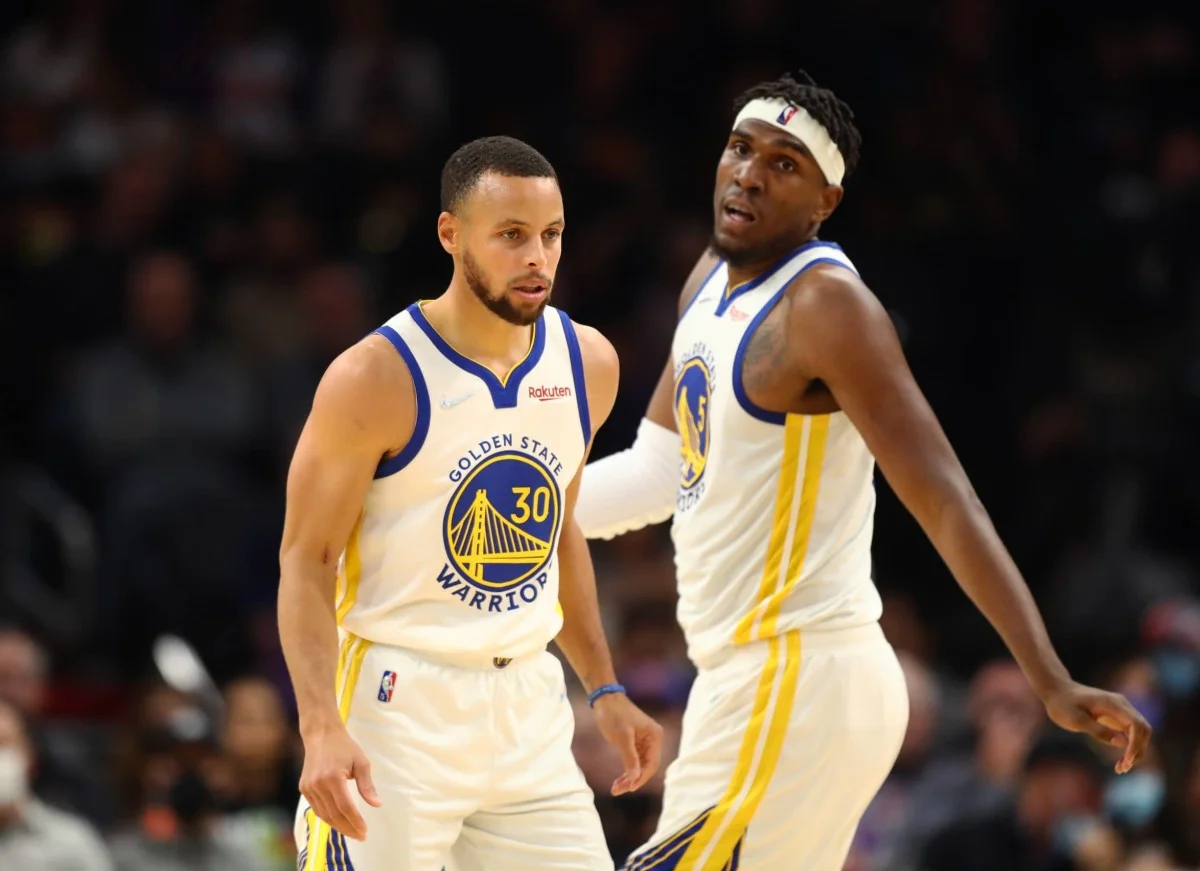
Elaborating on this point, Ceballos warned,
“If he crosses half court and lets that fly, the locker room is going to be f—– up,”
—Cedric Ceballos, explaining that the physical demands and team culture of the ’90s NBA would challenge a shooter-heavy style without adaptation.
Team Dynamics and Defensive Expectations of the 1990s
Ceballos noted that Curry’s focus on three-point shooting might limit his teammates’ opportunities to demonstrate their defensive skills, which were highly valued in the ’90s. He asserted,
“I don’t need no shots. But you better listen to Terry Cummings,”
—Cedric Ceballos, referring to the era’s emphasis on team sacrifice and shared responsibility on both ends of the court.
This viewpoint echoes a wider belief held by some former players that today’s emphasis on spacing and perimeter shooting has reduced the toughness that defined earlier decades. While critics argue the current game favors finesse over grit, not every retired player agrees with that assessment.
Diverging Opinions from NBA Veterans
Contrasting with Ceballos, former Los Angeles Lakers star Michael Cooper offered a more favorable opinion of Curry’s adaptability. On the same podcast, Cooper praised Curry’s shooting and ball-handling, suggesting his skills would translate well even in the tougher environments of the 1980s and 1990s. His perspective highlights the complexity of the debate, recognizing both the evolution of basketball and the individual talents of players across different eras.
Stephen Curry himself has expressed frustration over the ongoing scrutiny and comparisons related to the debate. He voiced his feelings candidly by saying,
“It’s starting to get a little annoying just because it’s kind of unwarranted from across the board,”
—Stephen Curry, responding to persistent criticism about his place in NBA history.
Debate’s Broader Implications for Evaluating NBA Greatness
The intense discussion surrounding Stephen Curry’s fit in the 1990s underscores deeper questions about how basketball talent is measured across eras. The contrast between the physical, defensive battles of the past and today’s focus on shooting and skill creates divided opinions among former players and fans. As the league continues to evolve, comparisons like these remain a source of tension, highlighting the challenges in comparing greatness across periods with very different playing styles and expectations.
Our Reader’s Queries
Q. Why does Stephen Curry wear 4?
A. FIBA is the group that manages Olympic basketball. In the past, they limited player numbers to 4-15 to simplify things for referees. This rule was removed in 2014, but Team USA continues to use these numbers during international tournaments like the Paris Olympics. That explains why Curry, who has embraced the No.