
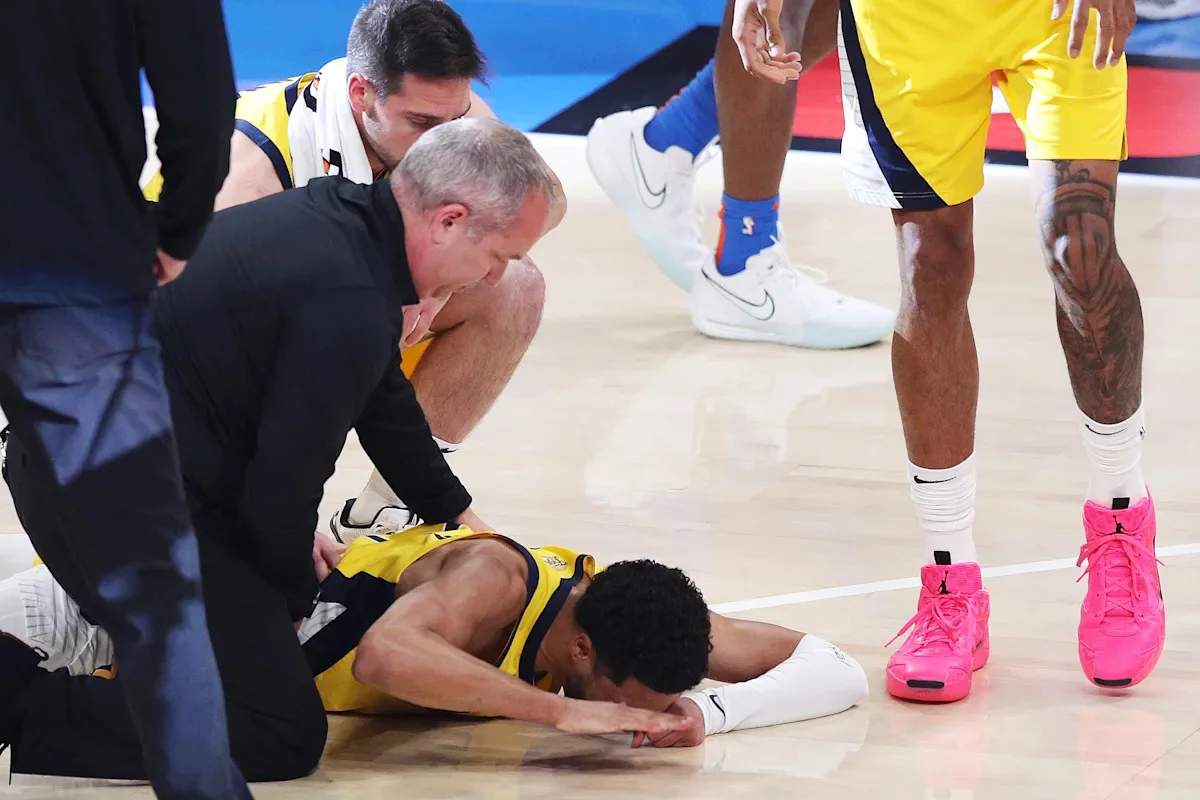

The 2024-25 NBA season has seen an unusual surge in non-contact Achilles injuries, sparking widespread discussions among league officials and team medical staff about underlying causes and possible prevention measures. This troubling trend has affected several high-profile players, including Jayson Tatum, Tyrese Haliburton, Damian Lillard, and Dejounte Murray, creating alarm within the basketball community.
These injuries are particularly devastating, as recovery often requires an entire year, significantly impacting team performance and player careers. The critical nature of the situation has pushed the NBA to seriously evaluate how to address this growing crisis.
Tom Brady Weighs In on NBA’s Achilles Injury Dilemma
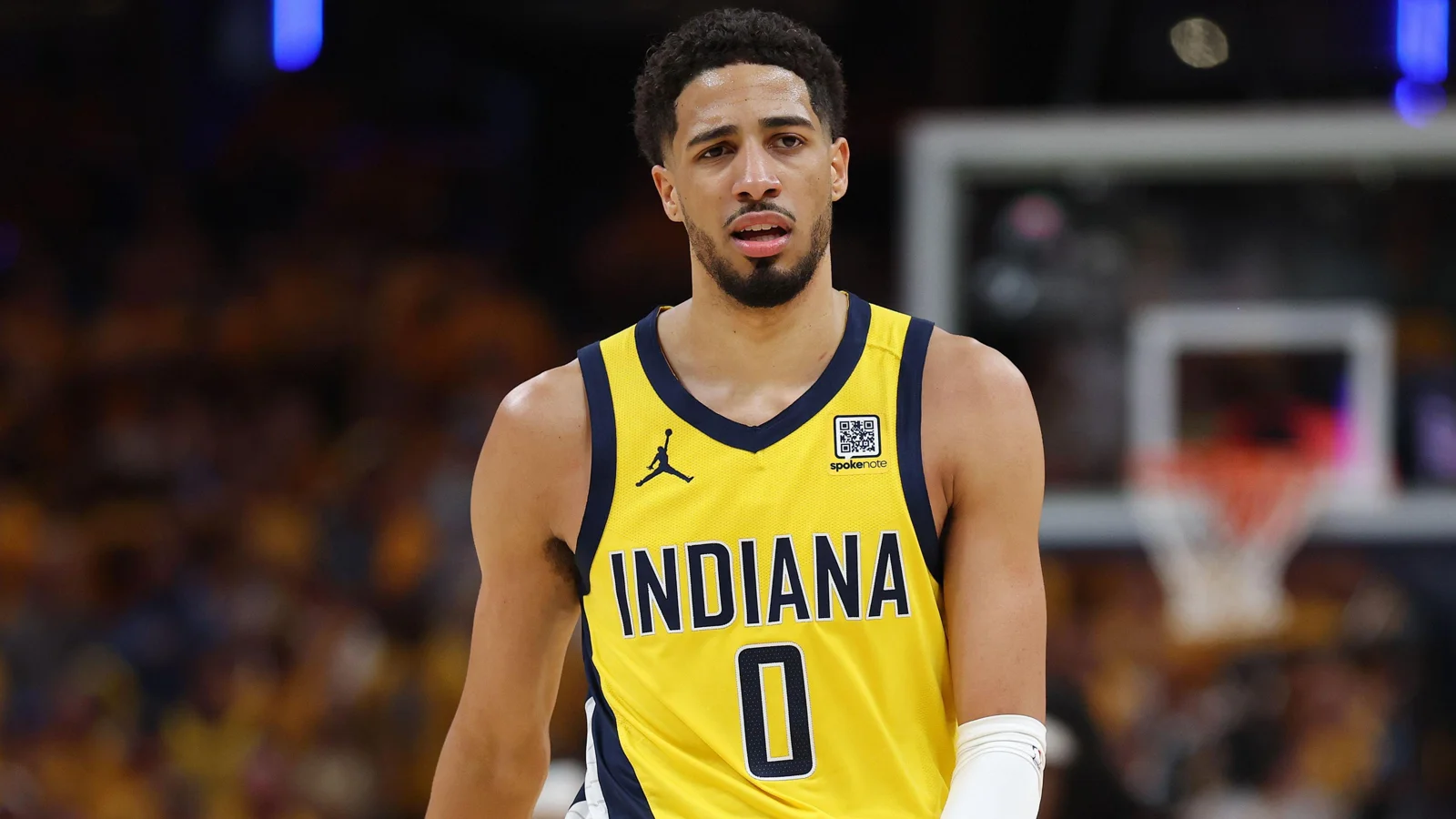
Tyrese Haliburton’s recent Achilles injury not only crushed the Indiana Pacers’ championship aspirations but also intensified pressure on NBA leadership to investigate the persistent occurrence of such injuries. Tom Brady, a legendary NFL quarterback known for his exceptional longevity, has offered insights into this problem. Brady attributes much of his own career durability to a rigorous fitness routine and innovative treatments that extended his playing years well into his 40s.
In a newsletter published on his website, Brady reflects on the shock surrounding Haliburton’s setback and encourages the NBA to confront these injury challenges more proactively. He emphasizes that Haliburton’s injury has brought much-needed media focus on crucial questions:
Why do these injuries keep happening?
What are teams going to do about this?
Brady notes his frustration with the lack of satisfactory responses so far and shares his perspective to foster a solution.
Insights from Brady’s Experience with Injury Prevention
Brady recounts his early career struggles with elbow and shoulder pain, initially doubting how long he could remain competitive. His turning point came when he began working with trainer Alex Guerrero, who introduced him to a method called pliability treatment. Remarkably, this approach relieved Brady’s pain within three days and became a cornerstone of his fitness regimen.
He describes these
innovative treatments, along with related methods, [which] became a major part
of his routine. According to Brady, pliability work helped reduce muscle tension and contributed significantly to his ability to avoid severe injuries and prolong his professional career.
Brady compares an athlete’s pain to a car’s “check engine” light, explaining that treating pain after it occurs doesn’t prevent future issues. Instead, he argues for regular maintenance to avoid injuries altogether, stating,
It feels that’s where we are with Achilles injuries.
Addressing Limitations of Traditional Injury Recovery Methods
While acknowledging that current pain management and rehabilitation techniques have reached an adequate level, Brady criticizes what he terms “archaic training methods.” He warns that these outdated practices can inadvertently tighten muscles further during recovery, potentially worsening injury risks rather than mitigating them.
Now a team owner, Brady has begun implementing Guerrero’s pliability-based treatments with his own sports teams, including the Las Vegas Raiders and Birmingham City FC. According to his newsletter, these methods are already proving beneficial for his former NFL teammates and soccer players.
In the meantime, I’ve decided to take a top-down approach and I’ve begun incorporating Alex’s (Guerrero) treatment and training methods into two of the teams I’m involved with, Birmingham City FC and Las Vegas Raiders.
Potential Impact of Brady’s Approach on Future Injury Prevention
Brady stresses that avoiding Achilles injuries will likely require more than intensified weight training. He advocates for focused muscle care techniques like pliability treatments as a key to improving athlete durability. His hope is that the NBA and other sports organizations will adopt similar strategies to reduce the alarming number of non-contact Achilles injuries.
Given Brady’s success in prolonging his career through these methods, his call to action presents a significant opportunity for the NBA to rethink how it approaches athlete health and injury prevention. As the league faces mounting pressure following Tyrese Haliburton’s injury, embracing innovative training and recovery techniques may prove vital in safeguarding players and maintaining competitive balance in future seasons.