
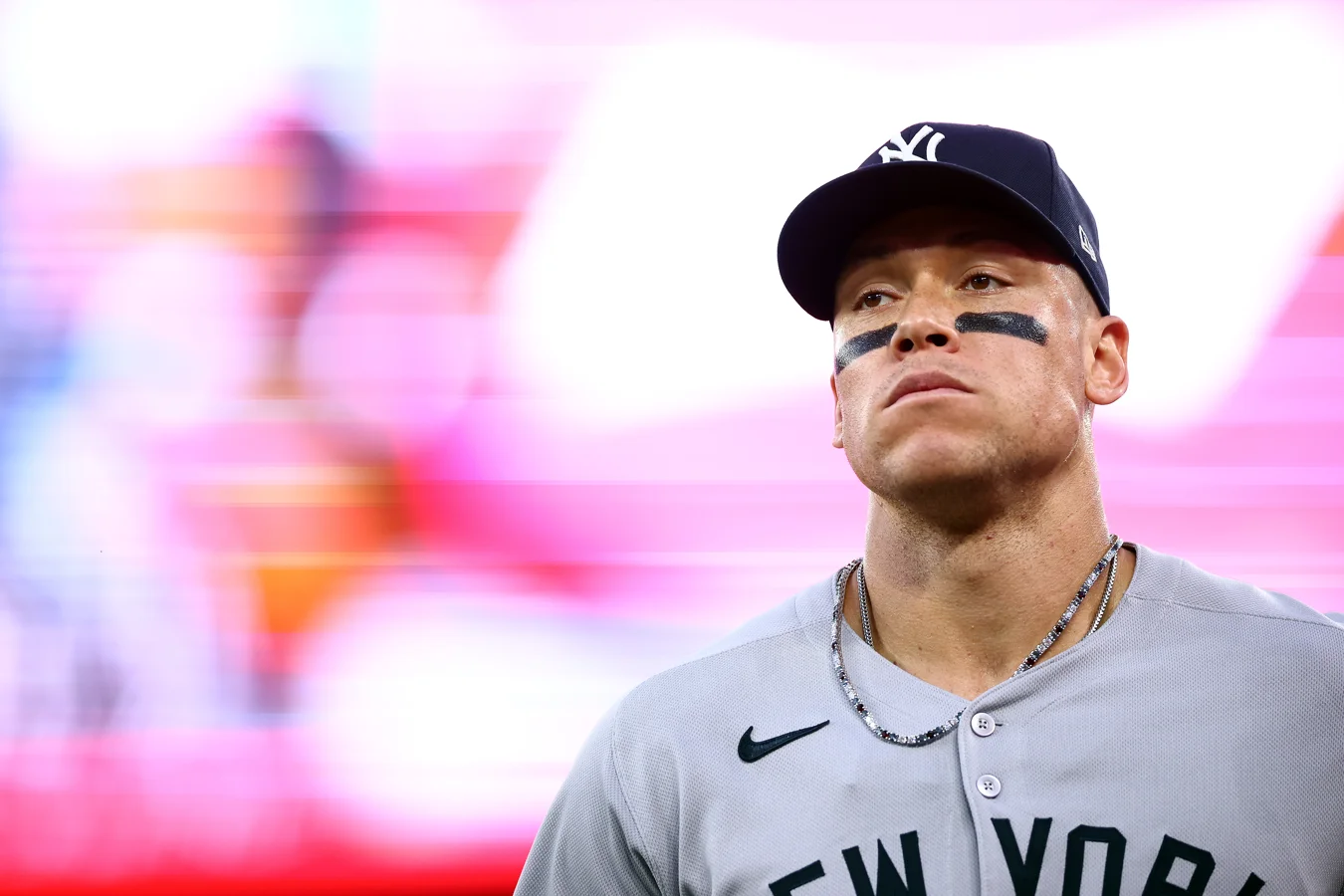

The New York Yankees have made a surprising move by designating veteran infielder DJ LeMahieu for assignment, signaling a shift in focus toward younger talent. This decision comes during a difficult season, as the organization looks to build for the future under general manager Brian Cashman’s guidance.
LeMahieu, once a centerpiece of the Yankees’ infield and offensive lineup, has struggled recently, both defensively and at the plate. Despite carrying a hefty $22 million salary, his declining performance left the team with limited options, prompting this difficult but strategic choice. Meanwhile, Cashman is placing significant confidence in shortstop Anthony Volpe, whose development will be critical to the team’s long-term plans.
LeMahieu’s Departure Marks a Turning Point for the Yankees
Benching DJ LeMahieu was far from an easy decision for the Yankees. The veteran’s past contributions, including powerful hitting and solid defense, made him a fan favorite and a reliable infield anchor. However, recent struggles on the field and a sharp decline in offensive production suggested his best days might be behind him. This move reflects the challenging realities of professional baseball, where aging players often face tough evaluations as younger talent rises.
With LeMahieu’s exit, the Yankees are signaling a willingness to embrace change, even if it unsettles long-time supporters. His role in the lineup and infield has been a cornerstone for years, making this shift all the more noteworthy as New York enters a period of reinvention.
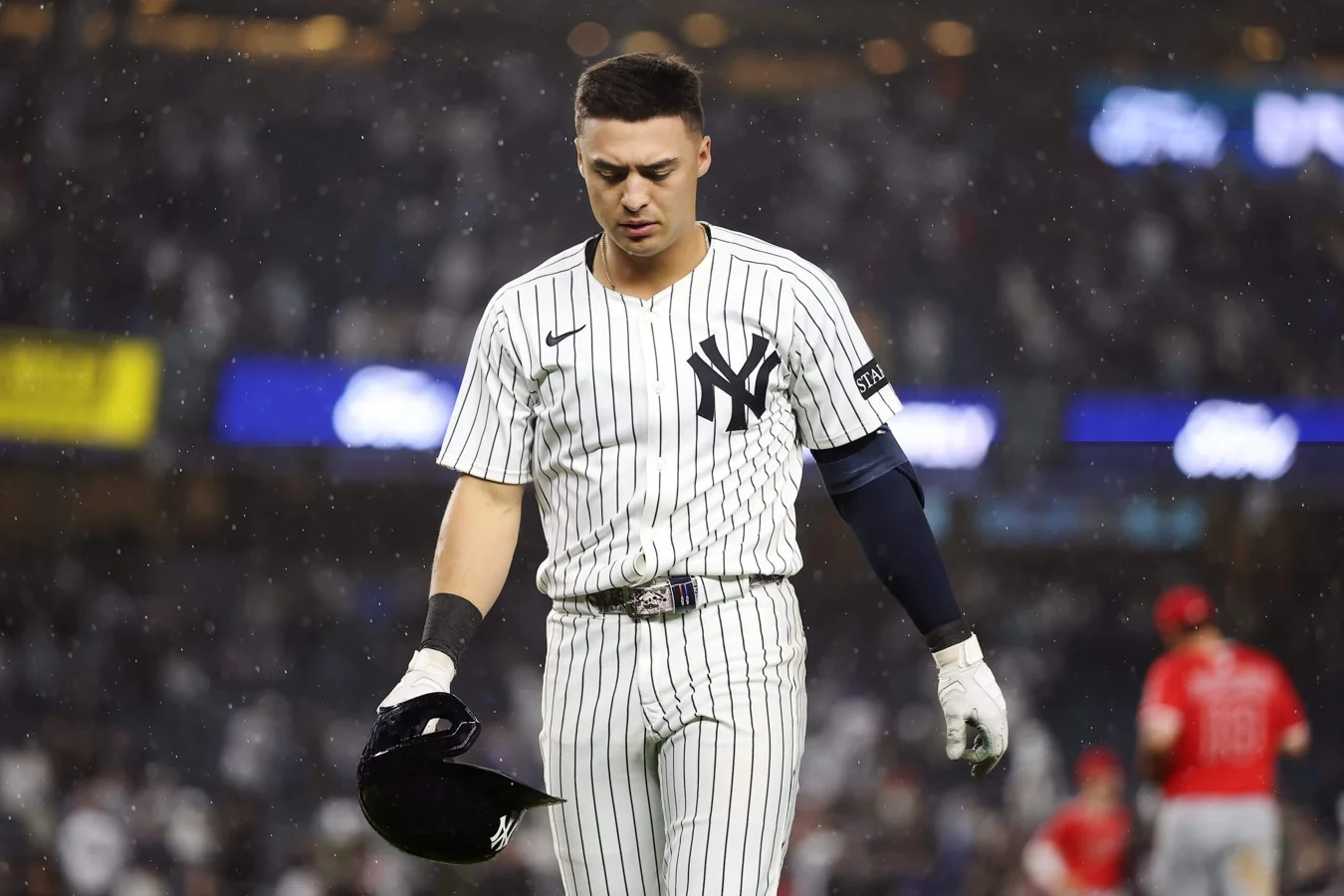
Cashman Commits to Anthony Volpe Despite Early Challenges
General manager Brian Cashman has expressed strong confidence in Anthony Volpe’s potential, even though the young shortstop’s recent stats have not lived up to expectations. Volpe holds a .217 batting average and a .667 OPS across nearly 400 games, figures that sharply contrast with the optimism surrounding his future contributions. Additionally, Volpe’s defense has been criticized this season, with metrics showing a minus-three outs above average, well below the level expected from a Gold Glove recipient.
“that this kid’s gonna be a force for us.”
—Brian Cashman, New York Yankees General Manager
Despite these shortcomings, the Yankees are investing in Volpe’s growth, hoping that he will evolve into a reliable two-way player. The team views him as a cornerstone for their infield going forward, demonstrating patience while the young player adjusts to the pressures and demands of New York’s high-profile baseball environment.
Juggling Present Struggles and Future Aspirations in the Bronx
The Yankees now stand at a critical crossroads between sustaining competitiveness this season and laying groundwork for the years ahead. As LeMahieu’s departure effectively hands more responsibility to emerging players, Jazz Chisholm Jr. has stepped in at second base, infusing the infield with vigor and youthful energy. This shift signals a broader organizational strategy to rebuild the lineup around younger talent.
However, the pressing question remains whether Anthony Volpe will overcome his developmental hurdles to justify the confidence placed in him. His progress will be closely watched by fans, media, and analysts within the intense atmosphere of Yankee Stadium, where expectations run high and scrutiny is relentless.
Volpe’s journey could define not only his own career but also the trajectory of the Yankees infield for seasons to come. The coming months promise to be a rollercoaster ride for the young shortstop as he strives to meet the high standards set by the storied franchise and its passionate fanbase.
Our Reader’s Queries
Q. Why did Anthony Volpe choose 11?
A. At that time, Judge and Rizzo suggested that the rookie consider wearing No. 11. Brett Gardner, a longtime Yankee, had worn it for 14 years. Rizzo believed it was important to check if Gardner was okay with someone new wearing his old number.