
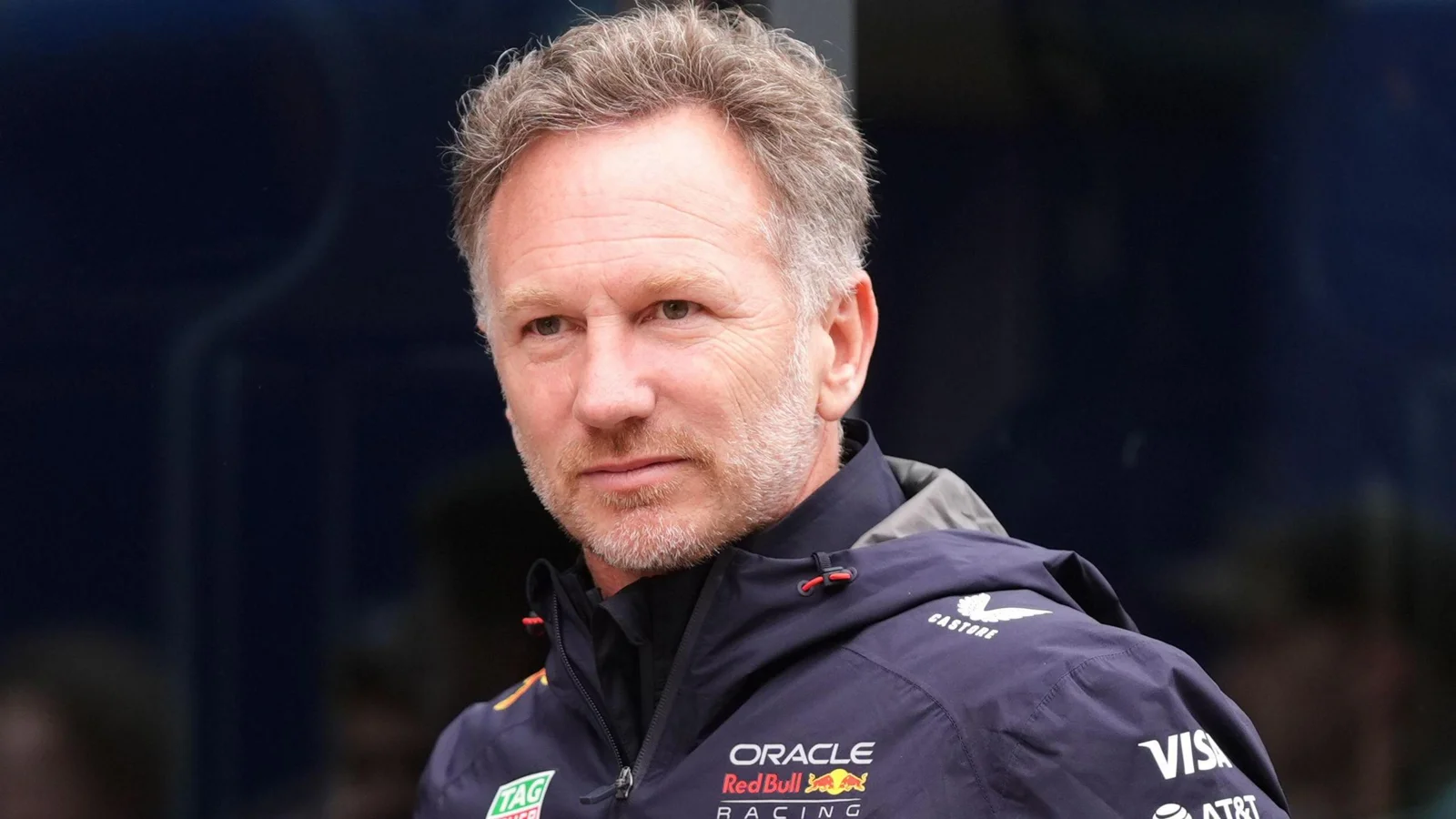

Christian Horner’s sudden removal from his role at Red Bull Racing marks a significant turning point within Formula 1. After more than two decades leading the team to six constructors’ championships and eight drivers’ titles, Horner’s tenure ended amid a combination of personal scandal, internal conflicts, and declining track performance. The move, surprising given that Horner’s contract was meant to last until 2030, reflects a decisive shift in management at one of F1’s most successful outfits.
Horner’s exit comes amid growing tension inside the Red Bull organization, where boardroom support has eroded, overriding previous loyalty despite his historic contributions. This decision signals a broader upheaval in how team leadership is scrutinized and retained in the high-pressure world of Formula 1, making “Christian Horner Red Bull sacking” a focal point for industry watchers.
From Private Owners to Corporate Oversight: The Changing Face of F1 Management
Historically, Formula 1 teams were closely associated with charismatic owners and founders whose names became legendary, such as Enzo Ferrari, Frank Williams, and Colin Chapman. These leaders often managed their operations with a personal stake and hands-on involvement, giving their teams a distinct character and culture.
Over time, as manufacturers and multinational corporations entered the sport, teams evolved into complex enterprises staffed by hundreds, shifting from small workshops to industrial-scale businesses. This transformation brought a new breed of professional managers focused largely on corporate oversight rather than owning the team outright, a trend evident in Horner’s tenure and his ultimate downfall.
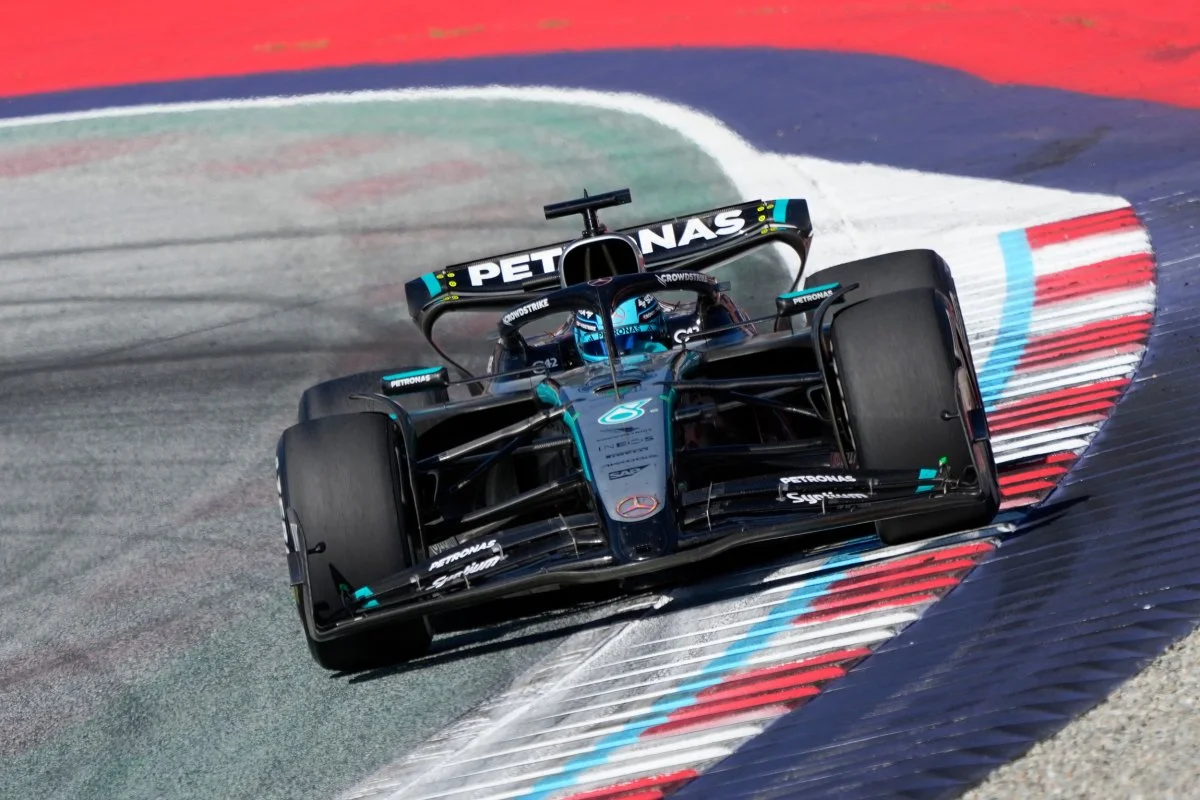
While figures like Toto Wolff at Mercedes retain partial ownership, many modern principals serve as executors of shareholder interests, contributing to intense political dynamics behind the scenes.
Parallels in Motorsport Leadership: Lessons from McLaren and Beyond
Horner’s challenges echo those faced by figures like Ron Dennis at McLaren, whose own reign as team principal ended amid shareholder disputes after a period of declining results. Dennis’s initial rise was fueled by strategic partnerships and technical innovation, but internal discord eventually forced his exit.
Similarly, Horner rose through the ranks from grassroots racing, before leading Red Bull’s acquisition of Jaguar Racing in 2004. With vast financial resources and key hires like Adrian Newey, Horner transformed Red Bull into a dominant force. However, just as Dennis clashed with technical staff, Horner’s relationship with Newey deteriorated, marking the start of deeper organizational instability.
Boardroom Tensions and Factional Battles Following Dietrich Mateschitz’s Death
The death of Red Bull founder Dietrich Mateschitz in 2022 triggered a realignment of power within the company. Mateschitz had divided his leadership roles, leaving his son Mark Mateschitz as the major shareholder while day-to-day operations fell to professional manager Oliver Mintzlaff. This rearrangement exposed factional rivalries, notably between Horner—backed by the Yoovidhya family—and key figures aligned with the new regime, such as Mark Mateschitz Jr. and Dr. Helmut Marko.
Marko’s role as a ‘driver advisor’ and influential presence on the factory floor created ongoing friction with Horner. The subsequent internal conflicts escalated following accusations of coercive behavior and sexual harassment against Horner by a female employee, which leaked into the public domain and intensified corporate infighting.
This political division also played out through drivers’ loyalties. Max Verstappen and his father Jos remained staunch supporters of Marko and the current regime, whereas Horner’s influence waned with the Yoovidhya family losing ground in internal power struggles.
On-Track Struggles Reflecting Internal Discord
Over the last 18 months, Red Bull’s decline in on-track dominance has mirrored its troubled internal dynamics. Once a seamless racing operation producing championship-winning cars, Red Bull now faces persistent issues such as inconsistent vehicle performance and strategic errors exemplified by recent mistakes at Bahrain.
Horner downplayed the impact of Adrian Newey’s and other senior departures, but the loss of these key figures—including sporting director Jonathan Wheatley and head of strategy Will Courtenay—has clearly affected the team’s cohesion and effectiveness.
Efforts to blame problems on the second driver led to frequent driver changes, with Sergio Perez replaced first by Liam Lawson and then by Yuki Tsunoda within a brief period, highlighting the instability rather than providing solutions. This carousel of drivers has underscored that the challenges stem deeper than personnel swaps.
Leadership Overreach and the Decline of a Cohesive Team
Sources close to the team suggest that Horner’s extending reach into areas like engine development—and attempts to influence technical departments—contributed to overstretch and weakened focus. Previously, delegating responsibilities to trusted experts like Newey and Wheatley had enabled Red Bull’s success. Without clear delegation, however, operational efficiency deteriorated.
Success in F1 depends on synchronized teamwork, and overconfidence in personal leadership can cloud judgment. Newey’s departure stemmed partly from his perception that his contributions were undervalued, an issue that reflects larger cultural fractures within the team.
The team’s former glories, including its eight drivers’ championships and six constructors’ titles, were collective achievements. With key players gone and internal strife escalating, Red Bull faces the challenge of rebuilding a unified structure.
New Leadership Faces Critical Challenges Ahead
Laurent Mekies, appointed as Horner’s successor, inherits both the responsibility to stabilize Red Bull and the opportunity to define the team’s next chapter. Mekies will need to restore trust, optimize management structure, and nurture technical development to return Red Bull to its former dominance.
Given the complexity of Red Bull’s current internal politics and performance issues, Mekies’ initial actions will be crucial in setting a new tone. Learning from previous missteps, he will likely focus on clear delegation and fostering stronger collaboration across the organization.
Meanwhile, Horner is expected to find new opportunities given his track record, illustrating how leadership roles in F1, much like in football, are subject to rapid change as performance and politics intersect.
“Christian Horner’s exit signals a major shift that reflects the increasingly corporate nature of Formula 1 team management.”
—Anonymous Insider
“Marko’s presence was seen as an obstacle by Horner, but Verstappen’s loyalty to Marko complicated internal power dynamics.”
—F1 Analyst
“When you seek to claim all the glory for the successes, you have to bear the responsibility for the failures.”
—Adrian Newey, Former Chief Technical Officer
“Leaders in this sport are parts of a machine, easily interchanged despite their personal ambitions.”
—Motorsport Executive
Our Reader’s Queries
Q. Why is 17 banned in F1?
A. The number 17 is the sole driver number in Formula 1 that has been officially retired. This honors Jules Bianchi, the French driver. He was using the number 17 when he had a severe accident at the 2014 Japanese Grand Prix.
Q. Which F1 driver has ADHD?
A. Born in 1985, Lewis Hamilton is a British driver racing in Formula One for Mercedes, having previously driven for McLaren. Hamilton openly talks about his experiences with ADHD and explores his various interests and hobbies.
Q. Why is number 17 banned in F1?
A. In 2015, the number 17 was retired to honor Jules Bianchi. He passed away from injuries he got in a crash during the 2014 Japanese Grand Prix while using that number.
Q. Is number 69 allowed in F1?
A. Drivers can pick their own number from 0 to 99, except for the number 1. Only the World Drivers’ Champion is permitted to use the number 1, but using it is optional for them.