
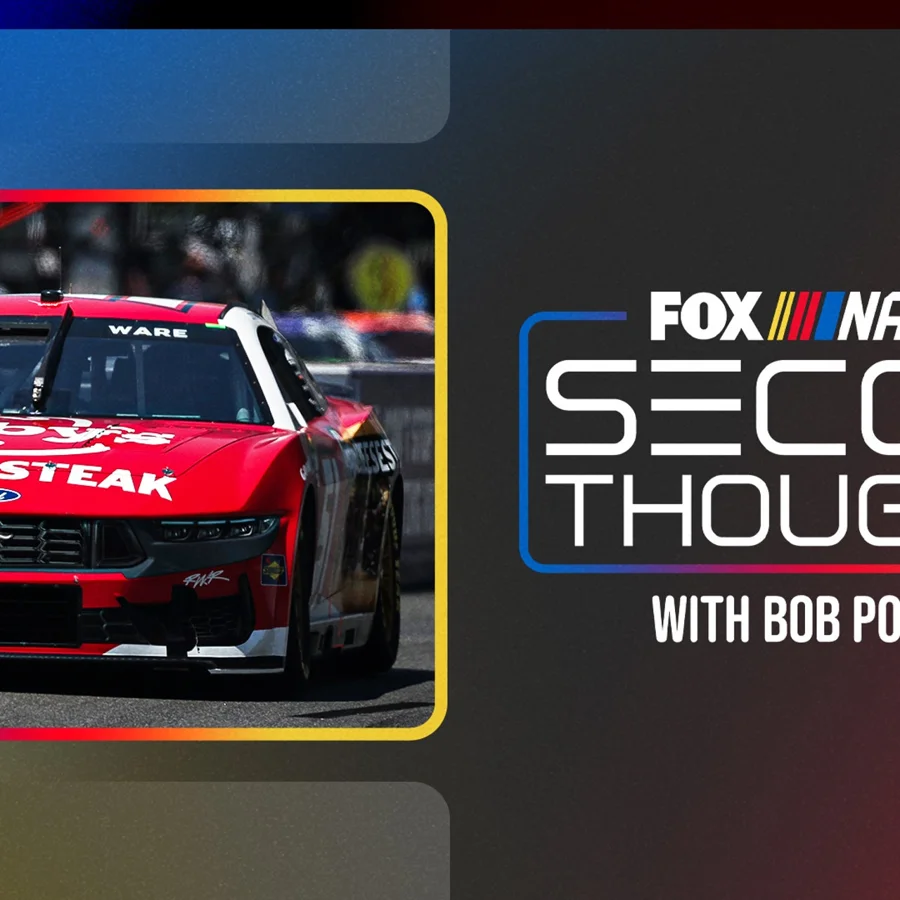

Former NASCAR driver Ken Schrader spoke out following Cody Ware’s crash at the Chicago Street Course, addressing the criticism surrounding the delayed caution issued after the incident. Schrader emphasized the complexity of the race director’s role, especially when observing crashes from the top of the control tower.
During the Grant Park 165 race, Ware locked his brakes entering Turn 6 and slammed into the barrier at speeds approaching 100 miles per hour. Despite the severity of the impact, race control waited more than 30 seconds before calling the caution, generating debate among fans and analysts about the delay.
Schrader, drawing on his extensive racing experience, pointed out in the Kenny Wallace Conversation on YouTube that race directors’ elevated vantage points can limit their ability to fully assess the crash’s seriousness.
“Did the right thing,” Schrader said. “Unless there’s a guy (Cody Ware) sitting there, in a wrecked car, that needs help. It’s a really tough business. Being up in that tower, oh my gosh. There are a lot of jobs that I think are pretty cool. A lot of fun in this sport. There’s nothing fun about being up in that tower.”
The former driver also mentioned that many assumed Ware would be able to reverse and continue racing, which contributed to the delay in signaling the caution.
Shane van Gisbergen Comments on the Incident and Potential Safety Improvements
Trackhouse Racing’s Shane van Gisbergen weighed in on the delayed caution during his victory at the Chicago Street Race. Speaking to NASCAR reporter Claire B. Lang, van Gisbergen shared his perspective regarding race control’s handling of Ware’s crash.
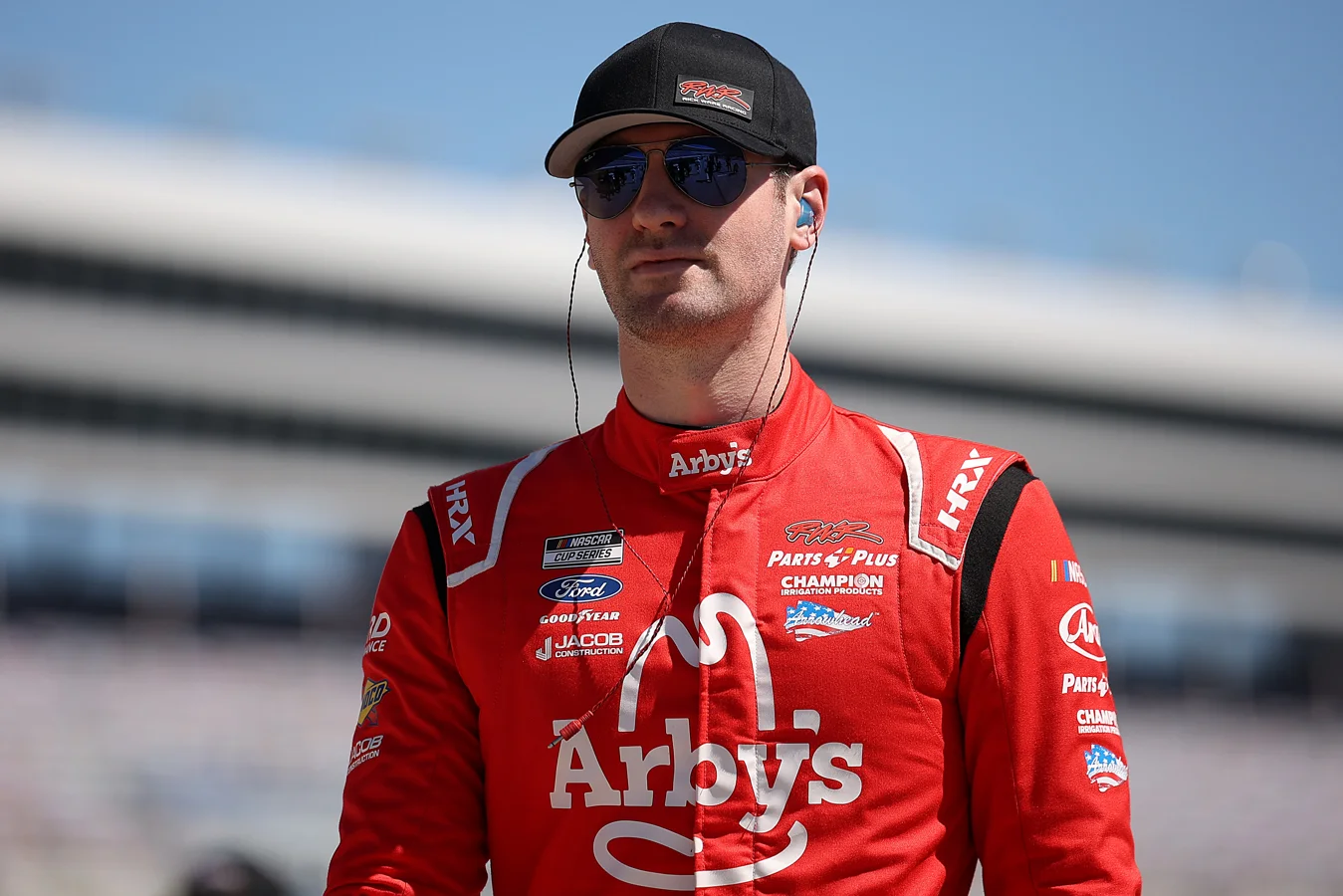
“I don’t think they saw the severity of the crash, or thought he could drive out. But I’m pretty sure in V8 supercars, when I left, the cars had like a G-sensor, or if you had a crash that was big enough, it would trigger that G-sensor to, you know, medical and probably race control.”
“And maybe that’s something we need here, if they don’t have it already, and you know, if the crash is big enough, you need someone to, you know, obviously looking at that fan version of the car passing by, it’s sickening to watch that. So yeah, I guess there needs to be something to be improved, but I feel like NASCAR in general is fast moving with that stuff, so I’m sure it’ll be better,” he further added.
Van Gisbergen secured first place, followed by Ty Gibbs and Tyler Reddick. Ware’s crash caused him to finish 26th with a Did Not Finish (DNF) status.
Impact of the Delayed Caution on Race Safety and Protocols
The controversy surrounding the slow reaction to the Cody Ware NASCAR crash caution highlights the difficulties race directors face when managing high-pressure situations with limited visibility. As Schrader indicated, the position from which race control monitors the track can restrict their ability to quickly evaluate crashes, especially when the driver’s response is unclear on camera.
Van Gisbergen’s suggestion for implementing or improving technology such as crash-triggered G-sensors signals a growing focus on enhancing safety measures. Such devices could alert officials instantly when a severe impact occurs, allowing for faster intervention and medical attention if needed.
As NASCAR continues to advance its safety protocols, incidents like Ware’s crash underscore the importance of balancing prompt caution responses with the realities race directors face during fast-paced events. Improvements in monitoring tools could reduce delays in future incidents, potentially ensuring better protection for drivers and more consistent race management.