
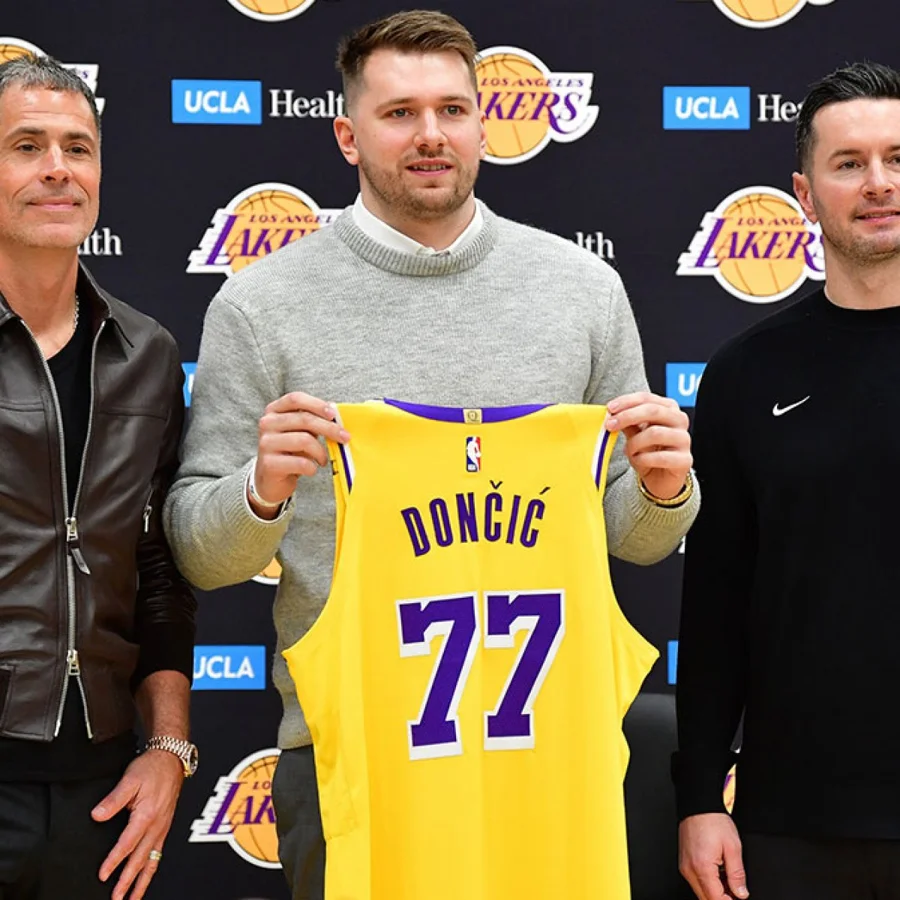

Nico Harrison, general manager of the Dallas Mavericks, faced widespread criticism after orchestrating the trade that sent Luka Doncic to the Los Angeles Lakers in exchange for Anthony Davis. While Harrison executed the deal, the broader context reveals that ownership played a critical role in the decision, reflecting deeper tensions within the franchise’s management structure. The controversy surrounding the Luka Doncic trade controversy highlights complex financial and strategic considerations beyond the GM’s authority.
Ownership’s Role in the Doncic Trade Decision
After the Adelson family took majority ownership of the Mavericks from Mark Cuban last year, they assumed control over the franchise’s direction. According to former NBA player Jim Jackson, who spoke on Paul George’s podcast, the Adelson family’s unwillingness to offer Luka Doncic the supermax contract he was eligible for largely triggered the trade. Jackson suggests that Harrison was positioned as a scapegoat for a decision ultimately driven by ownership’s reluctance to commit financially to Doncic.
Jackson described the situation as complicated, emphasizing the contrast between the new ownership’s business approach and that of Cuban. He noted that the Adelsons come from a casino business background, which influences their priorities differently.
“They’re looking at it from the holistic business side, and they’re like, ‘Hold up. Are we paying 350 million for somebody we can’t trust?’”
Jackson explained, highlighting that this decision required ownership approval beyond what Harrison could decide on his own.
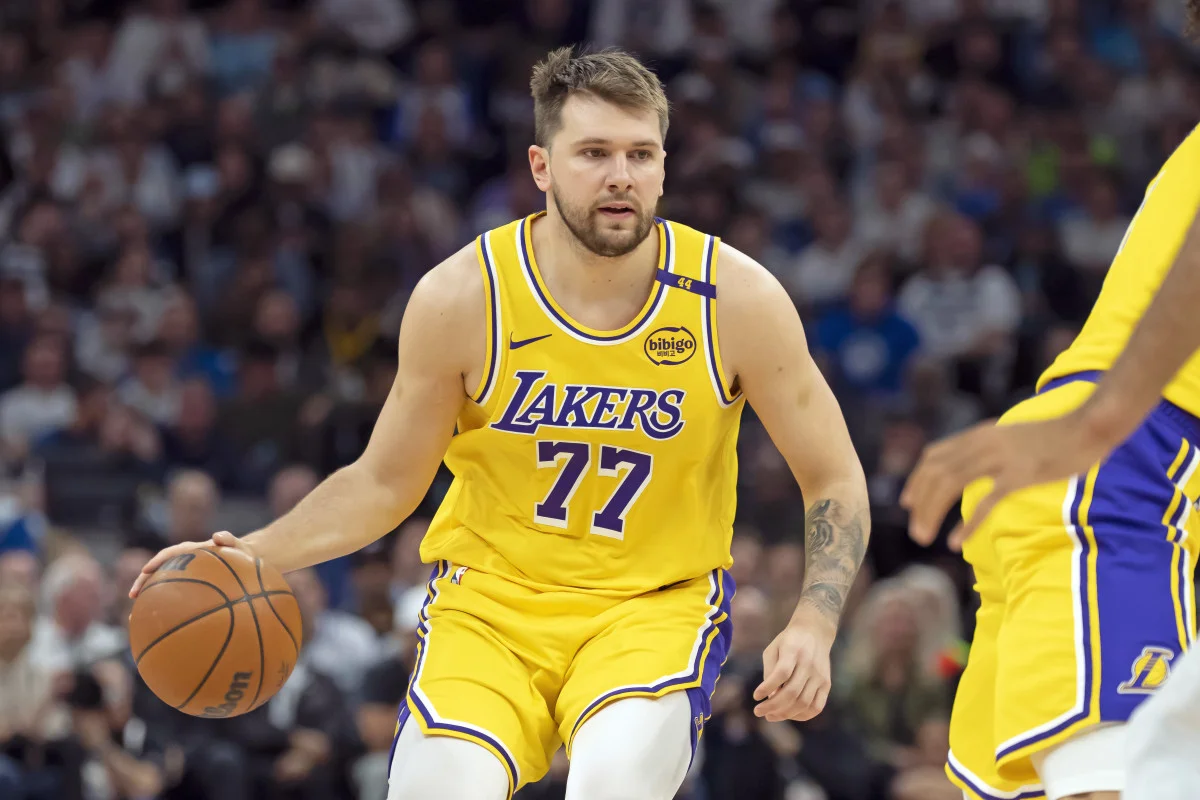
The Pressure and Criticism on Nico Harrison as Mavericks GM
Harrison, as the general manager, inevitably bore the responsibility—and the public backlash—for the trade. Jackson pointed out that when Harrison made moves perceived as positive—such as acquiring Christian Wood, trading for Jalen Brunson, and signing Kyrie Irving—the praise was directed at him. However, when the Luka Doncic trade took place, he received disproportionate blame despite the ownership’s directive.
Speaking to Harrison’s role, Jackson said,
“I think he got unfairly criticized for it, but he’s the GM. So when you made the Gafford trade, when you made the Lively trade, when you got Clay, they patted you on the back. When you got Kyrie, they patted you on the back. So when Luca comes, you’ve got to take that side of it, too.”
Furthermore, Jackson alluded to existing tensions between Luka Doncic and the Mavericks’ front office before the trade, suggesting the situation had long-standing complexities.
“If you backtrack and look at the history with Luka and the Mavericks, it has always been some tension, a little bit with Nico upstairs.”
Financial Constraints and Ownership’s Reluctance to Match Doncic’s Supermax Deal
Had Luka Doncic remained with Dallas, he would have been eligible for a lucrative supermax extension worth approximately $345 million. However, sources and Jackson indicate that the Adelson family was hesitant to invest that amount in Luka. This financial stance reportedly compelled Harrison to seek trade options, culminating in the blockbuster deal with the Lakers.
Jackson emphasized the shared responsibility in these kinds of franchise decisions:
“Ownership has to sign either they go sign off on it if Nico goes to him and says, ‘Listen, we really need to sign him for 350.’ They’ve got to make a decision.”
This highlights that the GM’s role involves executing ownership’s directives, which may not always align with public expectations or players’ desires.
Looking Ahead: What This Means for the Mavericks and Their Leadership
The Luka Doncic trade controversy exposes the dynamics and challenges front offices face when balancing financial prudence with competitive aspirations. As the Mavericks adjust to life post-Doncic, the Adelson family’s influence on strategic choices remains under the spotlight. Meanwhile, Nico Harrison’s tenure as GM illustrates the difficult position executives occupy in maintaining franchise success amid shifting ownership philosophies.
The trade also sets the stage for Doncic’s career with the Lakers, where his future contract discussions could reach $406 million, further impacting the NBA’s financial landscape. For the Mavericks, the episode is a reminder that decisions at the top involve multiple stakeholders and that criticism often oversimplifies the complex reality behind such moves.