
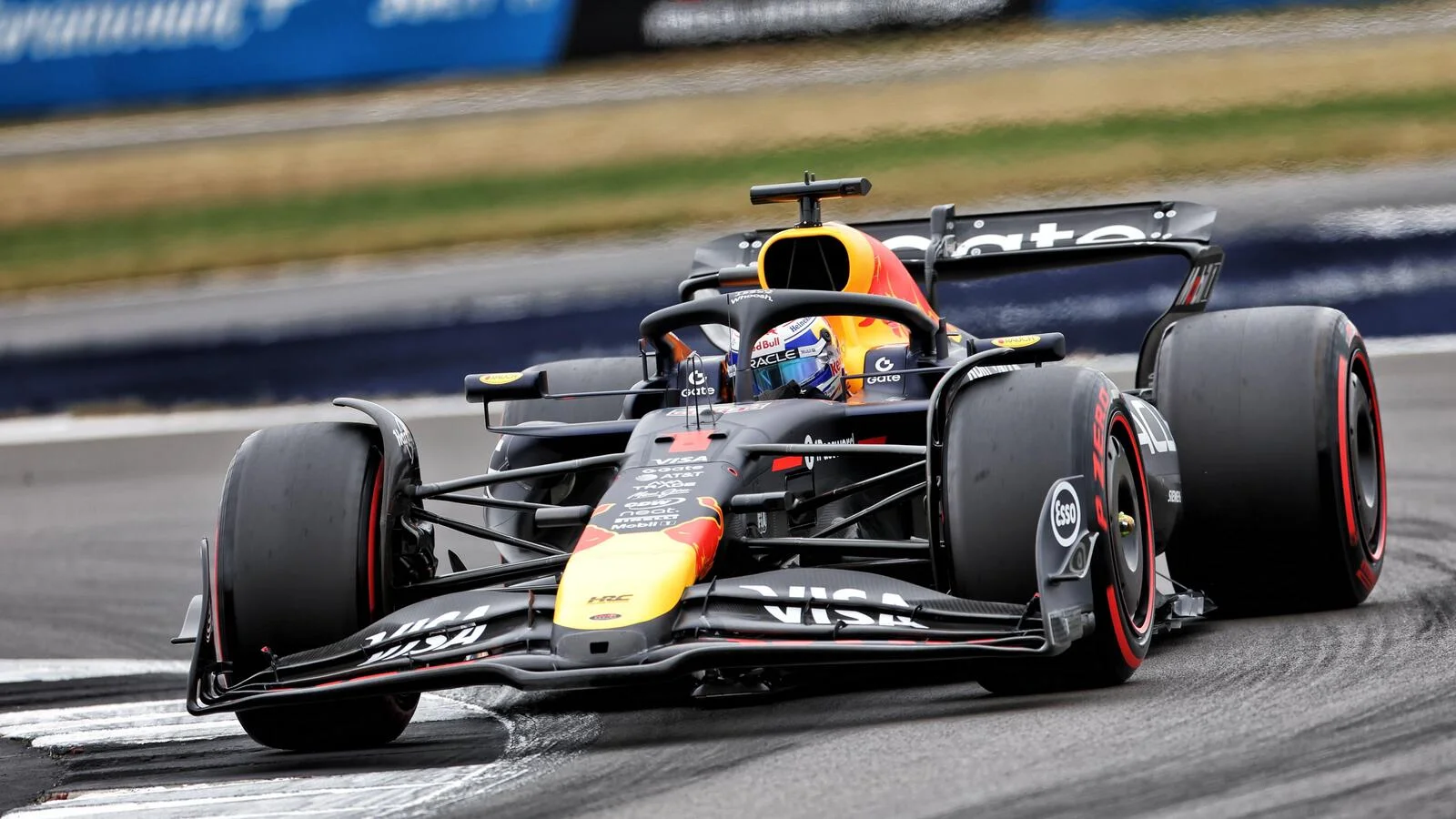

McLaren Formula 1 team principal Andrea Stella hinted that Red Bull driver Max Verstappen may have contributed to the penalty imposed on Oscar Piastri during the British Grand Prix. The incident occurred as Piastri was leading the race at Silverstone but was handed a 10-second time penalty for erratic driving behind the safety car, a decision that ultimately benefited his teammate and championship contender, Lando Norris.
As the safety car lights went out, Piastri dramatically slowed from 218km/h to 52km/h, forcing Verstappen, positioned directly behind him, to take evasive action to avoid a collision. Following the race, Stella suggested that Verstappen might have exaggerated the severity of the situation, raising concerns about a broader issue affecting the sport.
We’ll have to see also if other competitors kind of made the situation look worse than what it is,
Stella told Sky Sports after the race.
He further remarked on the strategic behavior within Formula 1, noting how some drivers can make others appear more at fault than they actually are.
So a few things to review. A few things to review. But in itself, now the penalty has been decided, has been served, and we move on.
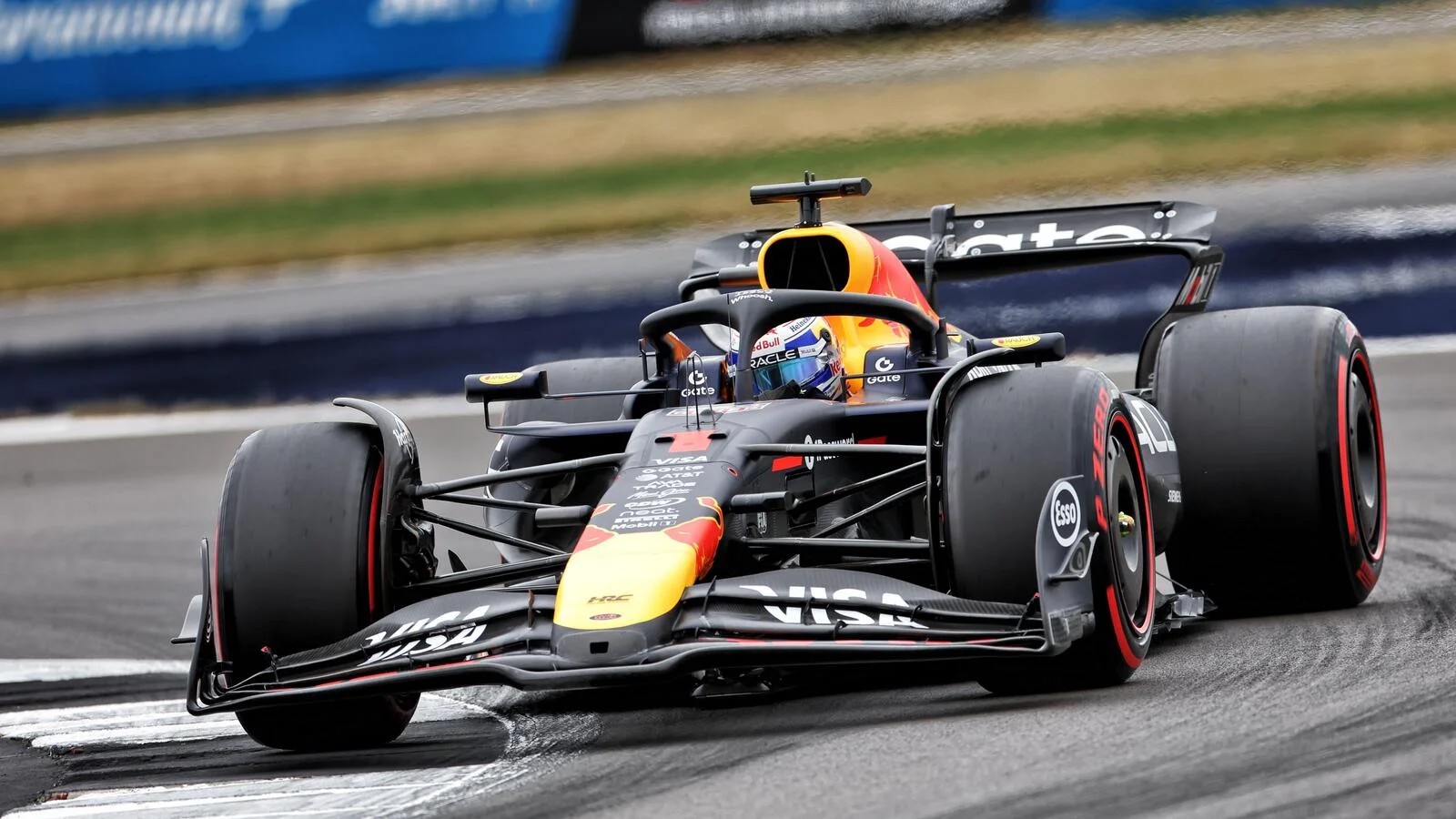
The Ongoing Challenge of Penalty Disputes in Formula 1
Fans familiar with Formula 1 know that drivers frequently use team radio to express dissatisfaction with competitors‘ actions. Requests to team engineers for investigations into rivals‘ conduct are standard, as each driver strives to gain a competitive advantage. Stella’s comments reflect this self-regulatory aspect of racing, which mirrors how players in football appeal to referees during matches.
Verstappen’s communication with his team regarding Piastri’s behavior illustrates this dynamic, where drivers aim to highlight rule infringements or perceived unfairness. Often, such complaints may amplify incidents beyond their factual severity, but it remains the responsibility of the stewards to examine telemetry and video evidence to discern truth from exaggeration.
Teams and drivers understand that racing regulations allow interpretation, prompting them to push for favorable rulings whenever possible. Without formal penalties for contesting others’ driving, akin to receiving a yellow card for dissent in football, this competitive tactic—what Stella referred to as ‘race craft’—is unlikely to change in the near future.
Broader Implications and Next Steps for Formula 1
The controversy surrounding the Max Verstappen penalty at the British GP highlights frustrations within the sport related to race adjudication and driver conduct. As penalties significantly impact race outcomes and championship standings, ensuring impartial and transparent decision-making remains critical. Stella’s public remarks may prompt further discussion among teams, officials, and fans about how to improve the consistency and fairness of race stewarding.
Looking ahead, Formula 1 may consider adopting stricter guidelines or consequences to manage on-track disputes and radio communications, aiming to reduce gamesmanship that can distort incidents. Meanwhile, the sport continues to grapple with balancing competitive strategy and sporting integrity at its highest level.
Our Reader’s Queries
Q. Who is Max Verstappen’s baby daughter?
A. Max Verstappen has become a father! The 27-year-old Formula One driver and his girlfriend, Kelly Piquet, have welcomed their first child, a daughter named Lily. They shared the joyful announcement together on Instagram.
Q. Is Penelope not Max Verstappen’s daughter?
A. “She’s incredible.” In 2025, Penelope took on the role of a big sister when Piquet and Verstappen had their first child, Lily. From her interests to her loving relationship with Max Verstappen, there’s a lot to learn about Kelly Piquet’s daughter, Penelope.
Q. Who is Max Verstappen’s girlfriend’s baby daddy?
A. In July 2019, Piquet had a daughter named Penelope with her boyfriend, F1 driver Daniil Kvyat. The day after Penelope’s birth, Kvyat finished third in the German Grand Prix. He dedicated this achievement to both Piquet and their newborn daughter.