
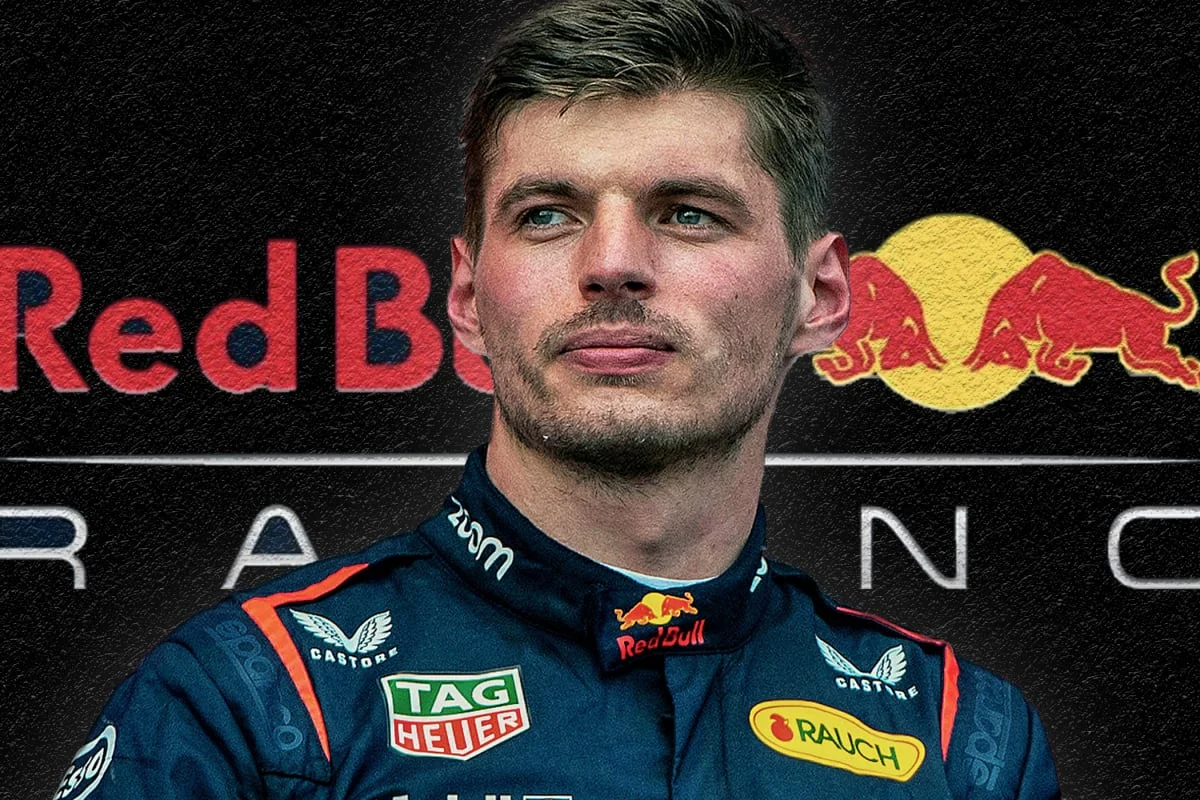

Christian Horner, the longest-serving Team Principal in Formula 1, has unexpectedly left Red Bull Racing with immediate effect. This announcement came on Wednesday amid ongoing speculation about Max Verstappen’s future at the team. Laurent Mekies, formerly the Team Principal of Visa Cash App Racing Bulls, will take over Horner’s role at the senior Red Bull outfit.
While the timing of Horner’s exit surprised many, insiders reveal that internal fractures within the organization had been growing for weeks. Craig Slater, a Sky Sports F1 analyst, explained that Horner recently lost the key support that had sustained him within Red Bull.
Internal Divisions Challenge Red Bull’s Stability
Red Bull has faced several internal struggles, partly due to divided ownership. The team is split between two major shareholders: 49% controlled by the Mateschitz family, led by Mark Mateschitz, and 51% Thai-owned by Chalerm Yoovidhya. The Austrian-owned side traditionally managed sporting projects like the F1 team.</p>
“In terms of why he and Red Bull have parted ways, we have to look at the fault lines which have been at that team for some time now. Part of that is the divided ownership of the team. 49% of the Red Bull company is owned by the Mateschitz family,”
said Craig Slater.
“51% was Thai owned. Chalerm Yoovidhya who had previously been an ally of Christian Horner’s and had supported him while those investigations into some issues at the company involving Christian Horner that had been ongoing for the last couple of years, the female member of staff making allegations against Christian Horner which two internal investigations cleared him of,”
Slater continued.
“Chalerm Yoovidhya stood by Christian Horner during this time. My understanding is that support eventually has gone away.”
Further tensions surfaced last year, highlighted by a public rift between Horner and Jos Verstappen, Max Verstappen’s father. Jos openly criticized Horner in early 2024:
“There is tension here while he remains in position,”
Jos said.
“The team is in danger of being torn apart. It can’t go on the way it is. It will explode. He is playing the victim, when he is the one causing the problems.”
This remark followed a heated meeting between Jos Verstappen and Horner in the Red Bull paddock ahead of the Bahrain Grand Prix. A brief video released by Sky Italy showed a visibly animated Horner during the encounter, fueling rumors of a “Civil War” within Red Bull and sparking fresh speculation about Verstappen’s potential move to Mercedes.
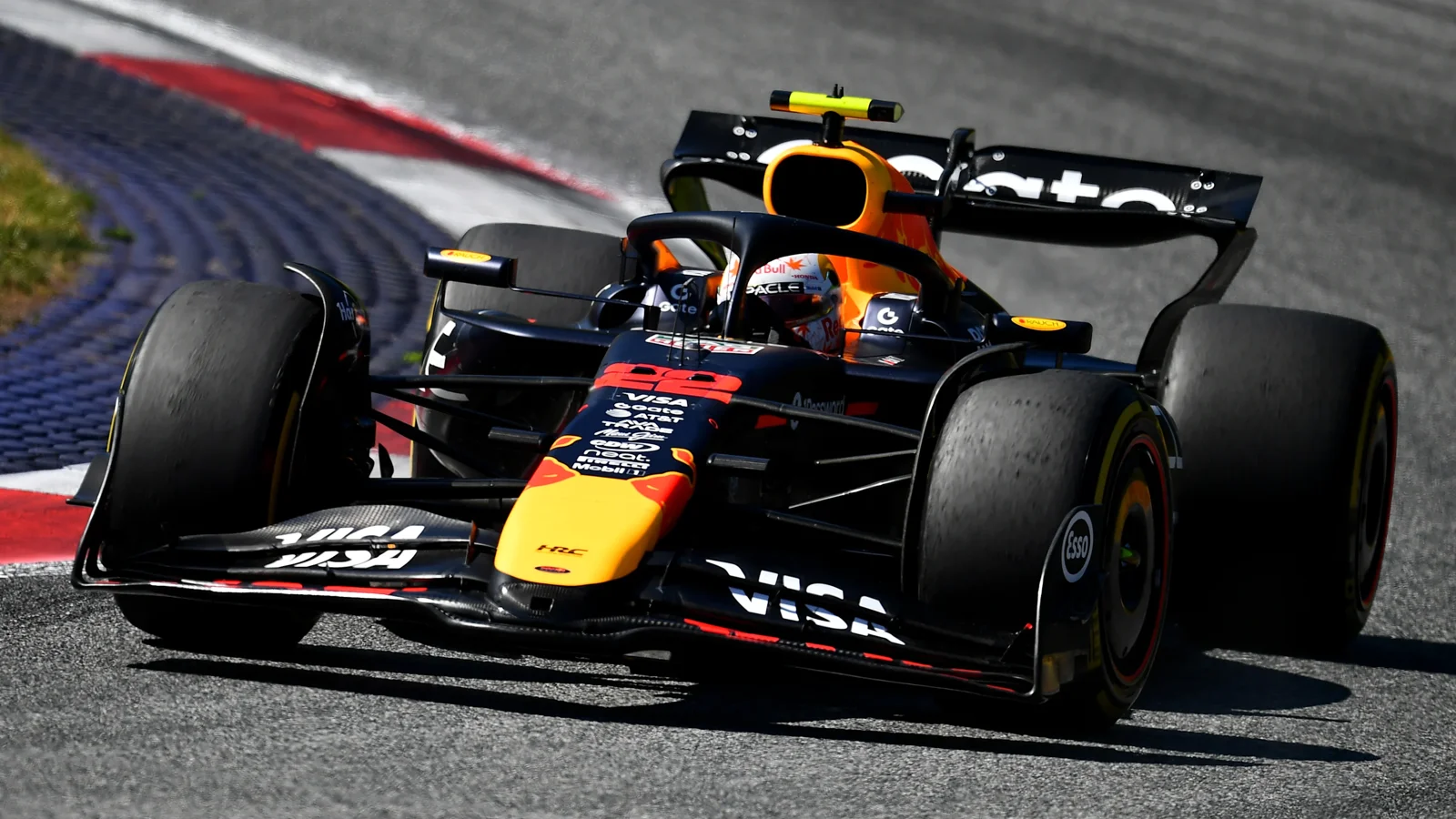
Though a subsequent meeting in Dubai with Verstappen’s representatives calmed tensions temporarily, Red Bull’s poor start to the 2025 season reopened old wounds within the team.
Key Personnel Exits Weaken Red Bull’s Structure
Red Bull has also faced the departure of several important team members. Jonathan Wheatley, once Sporting Director for Red Bull, is now Team Principal at Sauber. Designer Rob Marshall left for McLaren, where he has thrived. Furthermore, Honda’s exit at the end of the season will end their role as engine supplier, as Red Bull switches to developing its own power units in partnership with Ford, starting next year.
Adrian Newey, Red Bull’s legendary chief engineer known for his innovative designs, has also moved to Aston Martin, carrying his iconic notebook with him.
Driver decisions have added to Red Bull’s challenges. Sergio Pérez, who began last year strongly with several podiums, was let go following a disappointing latter half of the 2024 season despite signing a new contract earlier in the year. Liam Lawson started 2025 as the second driver but was demoted after just two races, replaced by Yuki Tsunoda, who has struggled to contribute, scoring only seven points across ten races.
Compounding these difficulties, the 2025 car, the RB21, has fallen short of expectations. Departing talent such as Newey and Marshall significantly affected the team’s competitiveness, but ultimately Horner, as team principal, bore responsibility for these shortcomings.
The Power Dynamics Behind Horner’s Exit
The situation came down to a power struggle that Horner ultimately lost, according to Sky Sports F1 insiders.
“The other aspect to all of this has been the uneasy relationship between Horner and let’s call it the Verstappens, particularly Jos Verstappen, Max Verstappen’s father,”
said Craig Slater.
Despite Horner’s key role in transforming Red Bull into a race-winning operation, Slater noted this internal conflict as the decisive factor in his removal:
“I think this is the ultimate end of the power struggle which has been apparent in that team in the last couple of years and ultimately it’s a power struggle which Christian Horner has lost.”
Former F1 driver and commentator Karun Chandhok added insight into how the team’s focus has shifted:
“There was clearly a public showing of an internal war between certain parts of Red Bull and Christian,”
Chandhok explained.
A huge amount of focus in that team is on Max Verstappen. Without Max Verstappen that team would be struggling. Yuki Tsunoda finished last in the last couple of races. It’s put a huge amount of power within that team on Max Verstappen and his camp and his team.”
The Uncertain Future for Max Verstappen at Red Bull
With Horner’s departure, questions loom large over Max Verstappen’s commitment to Red Bull. Erik van Haren from Dutch publication De Telegraaf, considered a trusted source on Verstappen matters, expressed doubt that removing Horner alone will secure Verstappen’s future.
“You’re getting now a lot of reports and people thinking okay Horner is out, so that means Verstappen will stay. I don’t think it’s that clear. I think what for the Verstappens is most important is that the team is making steps with the car. They have a lot of problems with this car,”
van Haren said.
He added that the team‘s car performance will heavily influence Verstappen’s decision:
“They want more performance and then they can make the decision: is this our team for the future, yes or no. I think this decision [with Horner] has been made to get more peace in the team but also maybe to say to Verstappen, maybe for you this is a good moment to stay.”
“Maybe it gives Red Bull a better chance to keep him in the team but that’s not a guarantee at this point,”
van Haren warned, also noting,
“I think he will make up his mind this month. They have two weeks to go before the summer break so he has a lot of time to think and also to see how the car is performing.”
At the heart of this decision is the RB21’s lackluster performance. Every driver wants a competitive car, and Verstappen is no exception. The rumors linking Verstappen to Mercedes have gained traction because Mercedes is expected to benefit from new regulations launching in 2026, while Red Bull struggles with its current machinery.
Horner’s Final Message Regarding the 2026 Landscape
Christian Horner’s last official statement at the FIA Press Conference hinted at uncertainty about next season’s championship battle and the future of F1 competition:
“2026 is going to be a transformational year. It’s the biggest rule change in Formula 1 probably in the last 50 years where both chassis and power unit are being introduced at the same time. Nobody, with hand on heart, can know what the pecking order is going to be. It could be either one of these gentlemen [on] either side of me. It could be Ferrari. It could be Mercedes. It could be anyone.
“There’s an awful lot of subjectiveness to 2026, and it’ll only be really this time next year that you’ll have a clear indication of what that pecking order is. So, there are no guarantees that jumping into a Mercedes car would automatically be a better proposition.”
This underscores the unpredictability facing drivers and teams in the coming season, leaving Verstappen’s options open and casting doubt over his Red Bull future despite Horner’s departure.
Looking Ahead: What the Changes Mean for Both Sides
Christian Horner’s exit signals a significant shake-up at Red Bull Racing, coming at a time of internal discord and technical challenges. The appointment of Laurent Mekies aims to restore stability, but the loss of key personnel and Red Bull’s current car struggles cloud the team’s prospects.
For Max Verstappen, the situation remains complex. The decision about his future will likely depend heavily on Red Bull’s ability to improve the RB21’s performance before the summer break and on how the 2026 regulations reshape the competitive landscape.
With rising internal tensions and several high-profile departures, Red Bull faces an urgent need to regroup and convince its star driver that it remains the best environment for future success. Whether Horner’s departure will be enough to retain Verstappen remains unanswered, as the driver evaluates his options amid a tense and uncertain Formula 1 landscape.
Our Reader’s Queries
Q. Who is Max Verstappen’s baby daughter?
A. Max Verstappen has become a father! The 27-year-old Formula One racer and his girlfriend, Kelly Piquet, shared on Instagram that they have a baby girl named Lily.
Q. Is Penelope not Max Verstappen’s daughter?
A. In 2025, Penelope became a big sister when Kelly Piquet and Max Verstappen had their first child, a daughter named Lily. Penelope has a lovely relationship with Verstappen, and there is much to learn about her interests and life.
Q. Who is Max Verstappen’s closest friend?
A. They are just friends and nothing beyond that. Carlos is still his close friend and ally. Calling them competitors on track is not accurate!
Q. Does Max Verstappen support LGBT?
A. Max expressed his respect for the LGBTQ+ community. However, he observed that every June, it feels more like a trend than a movement. Eliza Burnett noted that this was a polite way to phrase it.