
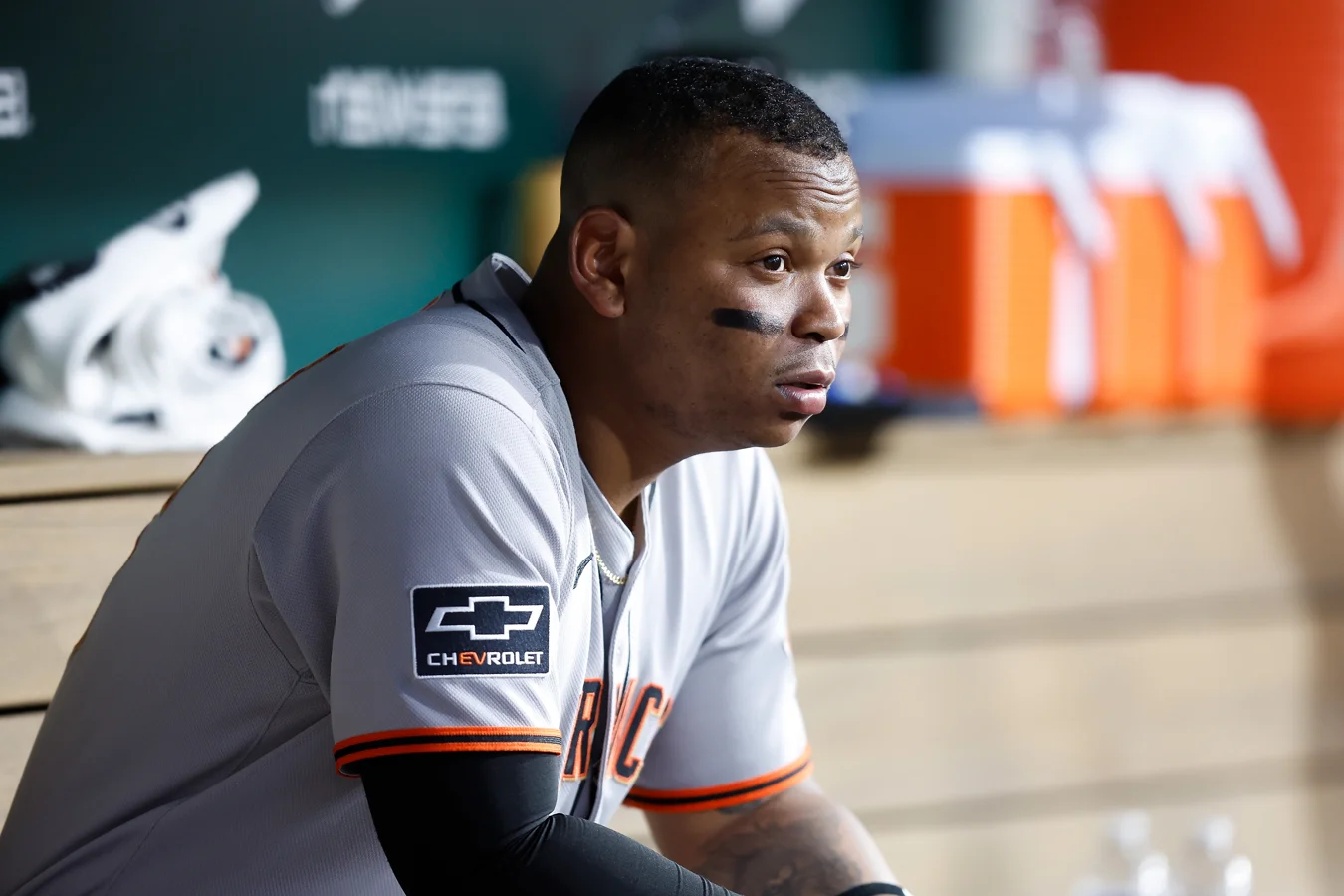

What began as a straightforward mentorship between Boston Red Sox star Rafael Devers and San Francisco Giants legend Will Clark quickly became a major talking point across Major League Baseball. Scheduled to focus on first base fundamentals at Oracle Park from Friday through Sunday, Devers was noticeably absent, sparking confusion and frustration. This incident has highlighted deeper communication issues within MLB, as well as gaps in player and management coordination.
Will Clark’s Frustration with Devers’ Absence
Will Clark, affectionately known as “Will the Thrill,” is a revered figure in Giants history, known for his refined hitting and clubhouse presence. He was set to share valuable knowledge about first base techniques with Devers, but the absence of the Red Sox star did not go unnoticed. Clark expressed his irritation plainly:
“Didn’t see him out here three days in a row,”
Clark remarked, revealing a subtle but clear disappointment. The mentorship had been organized by Giants managers Bob Melvin and Matt Williams, making Devers’ absence particularly perplexing to those involved.
Further emphasizing his dissatisfaction, Clark issued a pointed message to Devers:
“Next time in San Fran, you’re at first base,”
he declared, a comment that struck a nerve both within the clubhouse and among baseball fans watching the unfolding saga. In a sport where respect for traditions and elder players remains deeply rooted, Clark’s words reverberated widely.
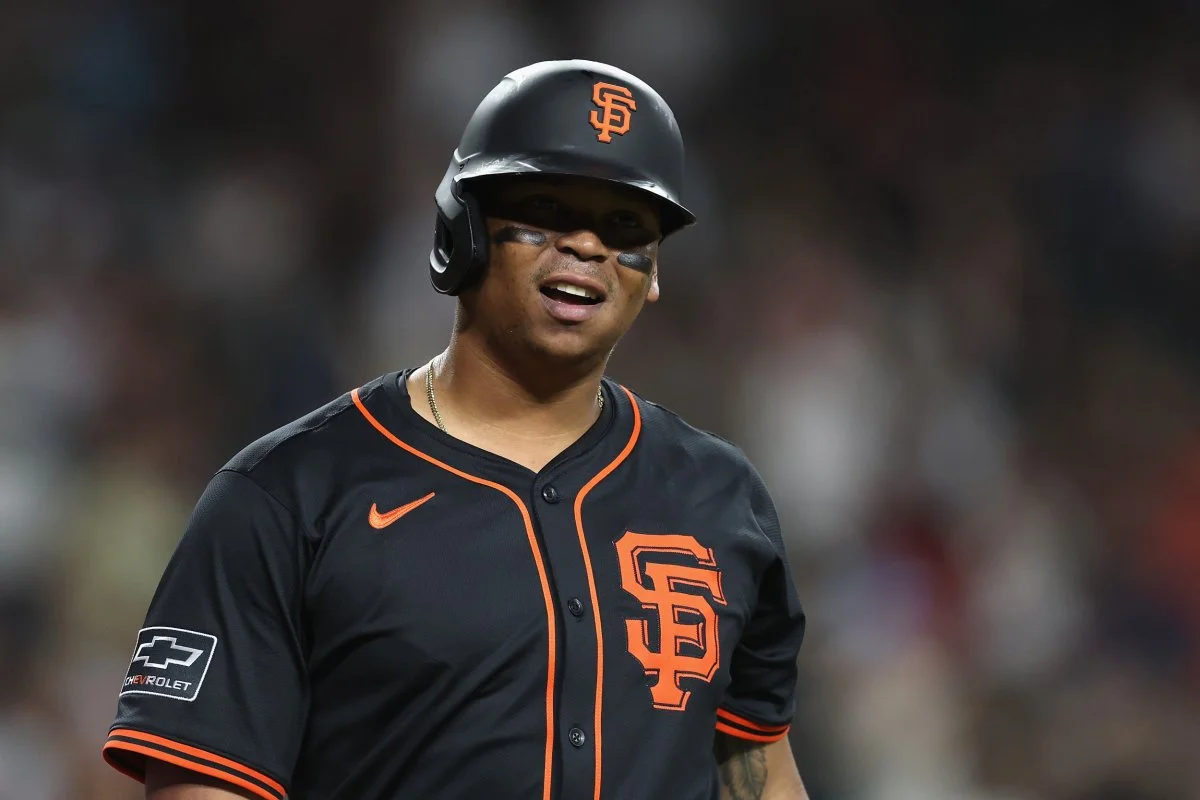
Media and Insider Voices Criticize the Situation
The controversy drew sharp attention from media insiders like NESN’s George Balekji, who underscored management’s role in this strained dynamic. Balekji urged honest communication, stating,
“You’ve got to go to Bob,”
Melvin being the manager, he emphasized.
“If you don’t want to do it, just say so. Don’t ghost a guy like Will Clark.”
This pointed critique suggested that Devers’ absence might reflect a broader lack of accountability rather than an isolated incident.
Adding to the scrutiny, baseball analyst Travis Thomas characterized the controversy as symptomatic of ongoing challenges with Devers’ approach, referencing an unflattering reputation that continues to shadow the young slugger. Rumors surrounding Devers’ standing within the Red Sox organization began to swirl as fans and insiders speculated about his future amid this high-profile conflict.
Giants’ Success Contrasts with Devers’ Struggles at Fenway
Interestingly, this controversy arises as the Giants enjoy a successful run packed with thrilling victories and playoff aspirations. Meanwhile, Devers finds himself in a slump, with numbers that have failed to inspire the same level of confidence from the Boston fanbase. This contrast between the two teams and their star players deepened the narrative tension, with some supporters lamenting missed chances and underperformance on Devers’ part.
Devers Responds, Revealing Communication and Scheduling Mix-Ups
After mounting pressure, Rafael Devers finally offered his explanation through Giants beat writer Susan Slusser. According to Devers, he did complete some first base practice sessions at Oracle Park, but not on the specific days Clark had expected. The mismatch in schedules was complicated further as Clark’s planned sessions coincided with Autism Acceptance Night, disrupting the original mentorship timetable.
Speaking through an interpreter, Devers added context to his absence, emphasizing health concerns as the primary reason.
“I’m going to practice as much as I can,”
he assured, highlighting that his ability to participate was limited by injury management rather than a lack of willingness. He acknowledged the possibility of simply missing one another: “we just missed each other,” he suggested, pointing to miscommunication rather than intentional neglect.
What This Reveals About MLB’s Communication Challenges
Although the optics of Devers’ absence initially painted him as unprofessional or dismissive, his detailed account complicates that narrative and reveals the consequences of poor coordination. This episode shines a light on how easily misunderstandings can escalate in professional sports when lines of communication are unclear or incomplete. It also stresses the management’s need to ensure clear scheduling and player-health updates to avoid similar conflicts.
As Devers and the Giants move forward, this controversy serves as a cautionary tale about the delicate balance between tradition, responsibility, and the realities of player health. Fans and organizations alike will be watching closely to see how such missteps might be prevented in the future and how Devers rebuilds his form both on the field and within the clubhouse.
Our Reader’s Queries
Q. Is Rafael Devers a good hitter?
A. Devers ranks as one of the top hitters among players with many games before age 30. He’s in the same league as Hall of Famers Al Kaline and Dave Winfield.