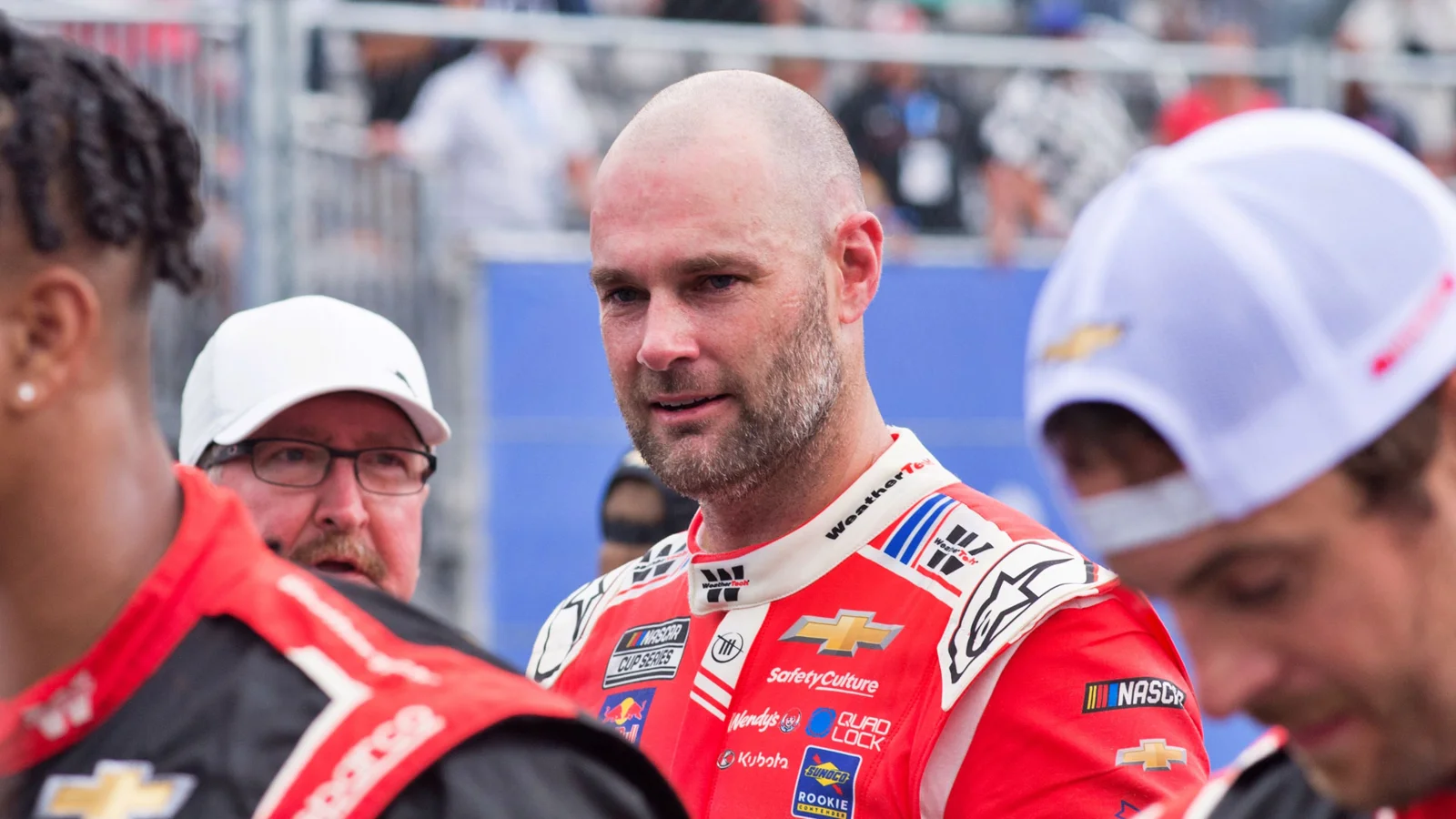
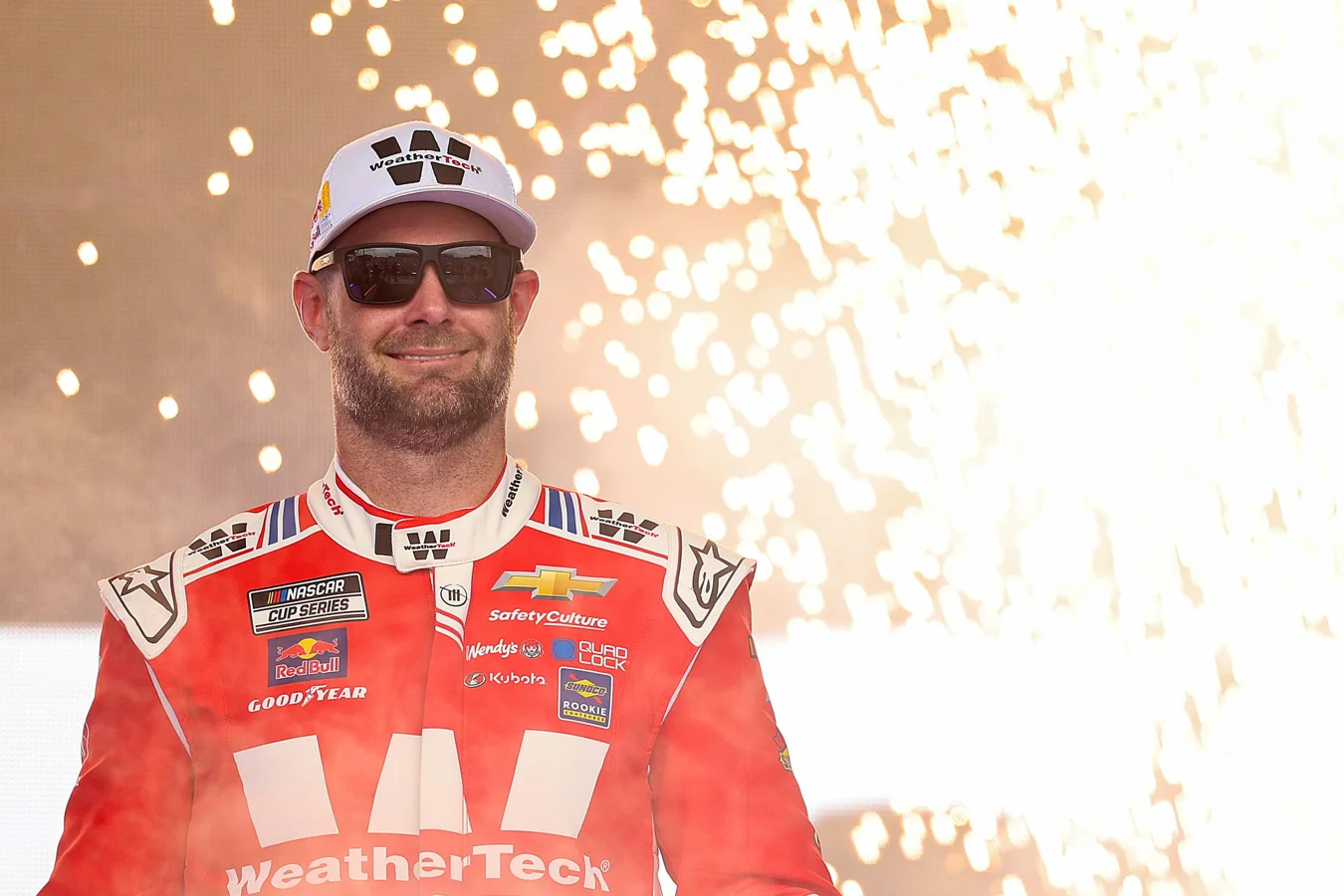
Shane Van Gisbergen criticizes NASCAR's safety protocols, urging improvements after Cody Ware crash at Grant Park 165.
The Grant Park 165 in Chicago was marked by chaos and controversy as Shane Van Gisbergen secured victory, while Cody Ware’s harrowing crash late in the race intensified calls for enhanced safety measures in NASCAR. On July 9, 2025, the Cup Series event became a focal point for urgent discussions about race protocols after NASCAR’s delayed caution flag response raised serious questions about driver protection.
Cody Ware’s accident occurred on the penultimate lap when he hit a tire barrier at high speed following a brake rotor failure. Despite the severity of the crash, the caution flag was not waved for nearly 35 seconds, allowing Van Gisbergen to cross the finish line before the race was officially slowed. This delay sparked widespread concern among fans, drivers, and industry insiders regarding the effectiveness of NASCAR’s current safety procedures.
Van Gisbergen Proposes Advanced Safety Measures Inspired by Other Racing Series
Shane Van Gisbergen, already celebrating his win, did not hold back in commenting on the incident. Drawing on his experience as a three-time Supercar champion, he compared NASCAR’s response to systems used in other motorsports, emphasizing the need for immediate flagging and accident detection technology.
Van Gisbergen described the moment Ware crashed and the delayed caution, highlighting how other racing series trigger race pauses immediately after serious impacts. He noted,
Image of: Shane Van Gisbergen
“Yeah, so obviously I was on the good side of it in the NASCAR world. They cross the line before the yellow come out. Normally, in every other series, the yellow comes out, and you just finish the race. But NASCAR, I guess it’s a talking point, because the race could have been extended.”
—Shane Van Gisbergen, NASCAR Cup Series Driver
He went further, explaining how Supercars use G-sensors to automatically alert race control and medical teams about significant crashes, a feature Van Gisbergen believes should be considered for NASCAR’s Next Gen cars to reduce response delays. He added,
“But I’m pretty sure in Supercars, when I left, the cars had like a G-sensor, or if you had a crash that was big enough, it would trigger that G-sensor to, you know, medical and probably race control. And maybe that’s something we need here, if they don’t have it already, and you know, if the crash is big enough, you need someone to, you know, obviously, looking at that fan version of the car passing by, it’s sickening to watch that. So yeah, I guess there needs to be something to be improved, but I feel like NASCAR in general is fast-moving with that stuff, so I’m sure it’ll be better.”
—Shane Van Gisbergen, NASCAR Cup Series Driver
Historical Context: NASCAR’s Focus on Safety and Current Gaps
NASCAR’s safety philosophy has evolved significantly over the past two decades, notably eliminating the dangerous practice of “racing back to caution” in 2003 to reduce risky manuevers near crash scenes. Today, the field is frozen immediately once the caution flag is displayed, demonstrating NASCAR’s commitment to safety in response to dangerous situations.
Despite these improvements, the delay in calling the caution at the Chicago Street Race marked the longest time before a response to a front-end collision since the 2022 debut of the Next Gen car. NASCAR’s Managing Director of Racing Communications, Mike Forde, confirmed that the caution flag’s delay occurred after Ware’s impact but was unprecedented in length for such a crash.
Additionally, NASCAR Cup Series Managing Director Brad Moran revealed that race control had missed seeing the crash clearly in real time, prompting a review of camera coverage and procedural protocols to prevent future delays that could endanger driver safety.
Cody Ware Confirms His Condition and Expresses Gratitude
Following one of the most severe crashes of the season, Cody Ware communicated that he was unharmed and appreciative of the support he received from fans, his team, and safety personnel. In an Instagram post days after the accident, Ware said,
“Thank you to everyone who has reached out the last couple days and checked on me. Praise the Lord for keeping me safe during that wreck; blowing a rotor at Chicago was not a fun experience. Huge thanks to my team and all the mechanics working on these cars to keep me safe, and all of the safety equipment that I was wearing. We had a fast @arby’s cheesesteak Ford all day!!! Ready to take what we learned and hit it at Sonoma.”
—Cody Ware, NASCAR Cup Series Driver
Ware’s statement offers reassurance amid the tense atmosphere surrounding the incident and highlights the importance of safety gear in protecting drivers during high-impact crashes.
Aftermath: Van Gisbergen’s Record Weekend and Rising Momentum
While concerns about safety dominate discussions, Shane Van Gisbergen’s remarkable performance in Chicago deserves recognition. After winning both the NASCAR Cup and Xfinity Series races on the streets of Chicago, Van Gisbergen celebrated his historic double victory, further establishing himself as a rising star in the series.
Shortly after the race, Van Gisbergen humorously alerted fans to his post-race state with a tweet sent at 4 a.m. ET:
“I won’t be available in the morning, please try me in the afternoon. Thanks.”
—Shane Van Gisbergen, NASCAR Cup Series Driver
Reflecting on the party with his team, Van Gisbergen admitted on NASCAR’s Day After broadcast,
“I don’t remember sending that tweet, so there you go.”
—Shane Van Gisbergen, NASCAR Cup Series Driver
This celebration was especially meaningful because earlier in the season, illness had prevented the team from enjoying their Mexico City victory. Regarding the Chicago festivities, Van Gisbergen said,
“We didn’t get to celebrate Mexico together. I was pretty sick, so were a lot of the guys. We got home at an okay hour, and we had a great weekend. So it was good to get together and celebrate it.”
—Shane Van Gisbergen, NASCAR Cup Series Driver
Impact on Cup Series Standings and Upcoming Challenges
Van Gisbergen’s dual victories boosted him five positions up the Cup Series standings, moving him to 27th place. Though still outside the top 20, his back-to-back wins have placed him among high-profile contenders such as Kyle Larson, Denny Hamlin, and Christopher Bell, each holding three wins.
Looking ahead, Van Gisbergen carries momentum into the upcoming road course race at Sonoma, presenting an opportunity to tie the Cup Series lead for most wins this season. His progress adds an exciting dimension to the championship battle, particularly as safety concerns continue to be a focal point.
Anticipated Safety Changes and NASCAR’s Evolving Protocols
The shocking delay in responding to Ware’s crash has heightened urgency around improving NASCAR’s real-time accident detection processes. With Van Gisbergen’s public advocacy and the race directors’ acknowledgment of procedural shortcomings, the sport appears poised to reassess and enhance its safety systems rapidly.
Implementing technology like crash-triggered sensors could address the critical lag experienced at Chicago, underscoring NASCAR’s responsibility to protect drivers during high-risk incidents. Such reforms would ensure that caution flags are deployed promptly, minimizing the danger inherent in recent delays and setting a new standard for driver safety in the years ahead.
Our Reader’s Queries
Q. Why did Shane van Gisbergen quit?
A. Shane van Gisbergen believes he made the best decision by leaving Supercars to chase a NASCAR career. This year, he starts his first full season in the NASCAR Xfinity Series with Kaulig Racing, following 15 years in Supercars.
Q. How much did Shane van Gisbergen win in NASCAR?
A. One reason Stewart-Haas Racing shut down after 16 years is the difficulty in securing sponsors for their four-car team. Stewart is leaving racing during a period of tension between NASCAR and its teams about the sport’s future.