
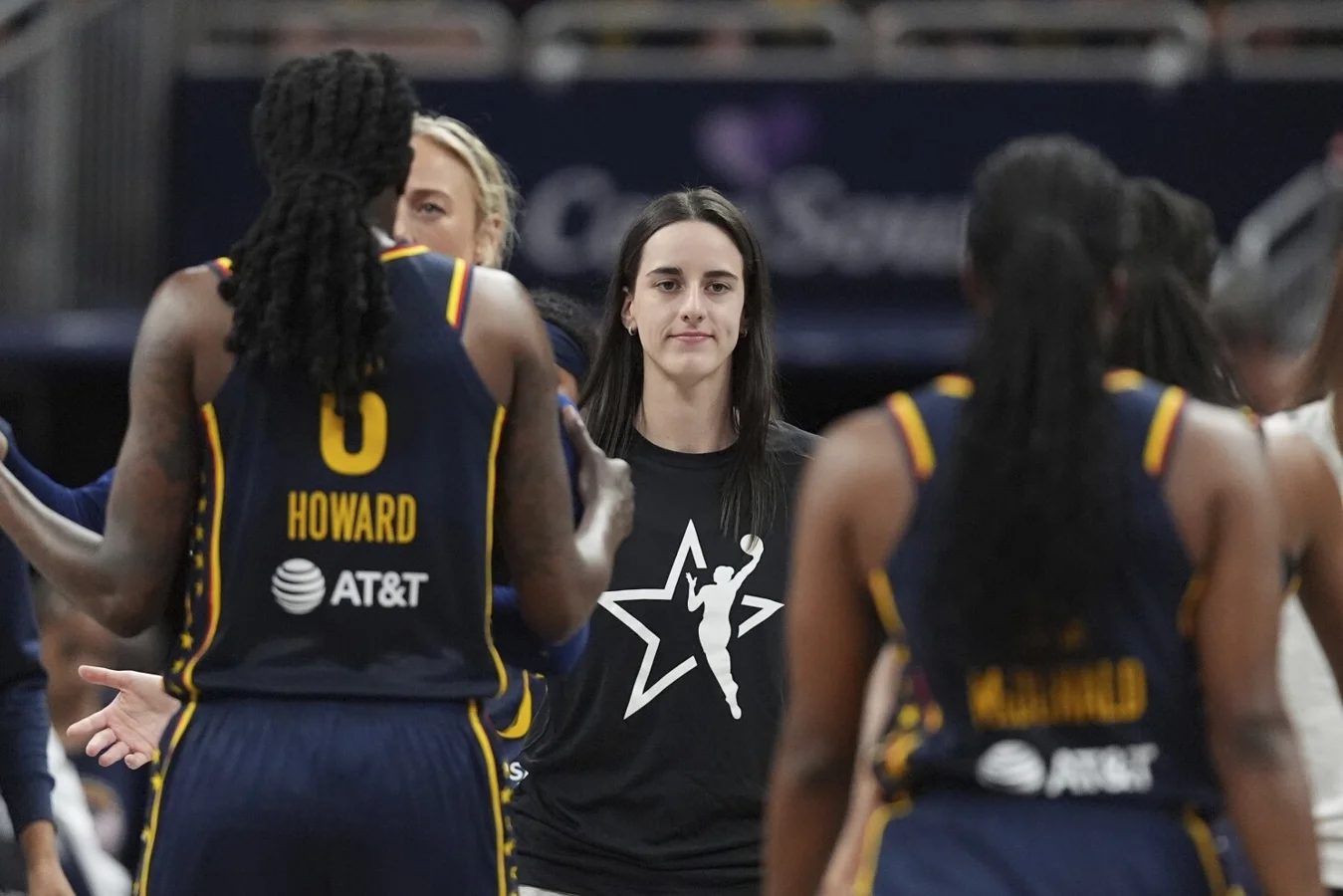

The sports community was recently shaken by a disturbing incident involving WNBA star Angel Reese, who became the victim of a racist fan-made image that circulated widely. This grossly offensive depiction included a monkey’s face crudely edited onto Reese’s photo, sparking widespread outrage and a renewed conversation about racism in sports. The incident took place at a time when conversations about diversity and respect within athletics are more critical than ever.
Robert Griffin III Voices Strong Condemnation
Robert Griffin III, former quarterback for the Washington Commanders, publicly condemned the racist attack against Angel Reese. Known for being outspoken on social issues, Griffin used his platform on social media to denounce the hateful imagery and to call for a broader rejection of racism in sports and society. He emphasized that such disgusting behavior has no place anywhere, regardless of fan loyalties.
Griffin stated,
There is no place for racism in this world. Whether you like a player or not, Angel Reese should never be called or depicted as a monkey.
—Robert Griffin III, Former NFL Quarterback
The Continuing Challenge of Racism in Athletics
Racism remains a persistent issue in sports, with athletes frequently subjected to derogatory comments and images that dehumanize them. The attack on Reese serves as a painful reminder of the negative attitudes that still exist. Such behavior undermines not only the athletes’ hard work and achievements but also their dignity as human beings. The incident has reignited urgent calls for the sports community to confront and eradicate these damaging prejudices.
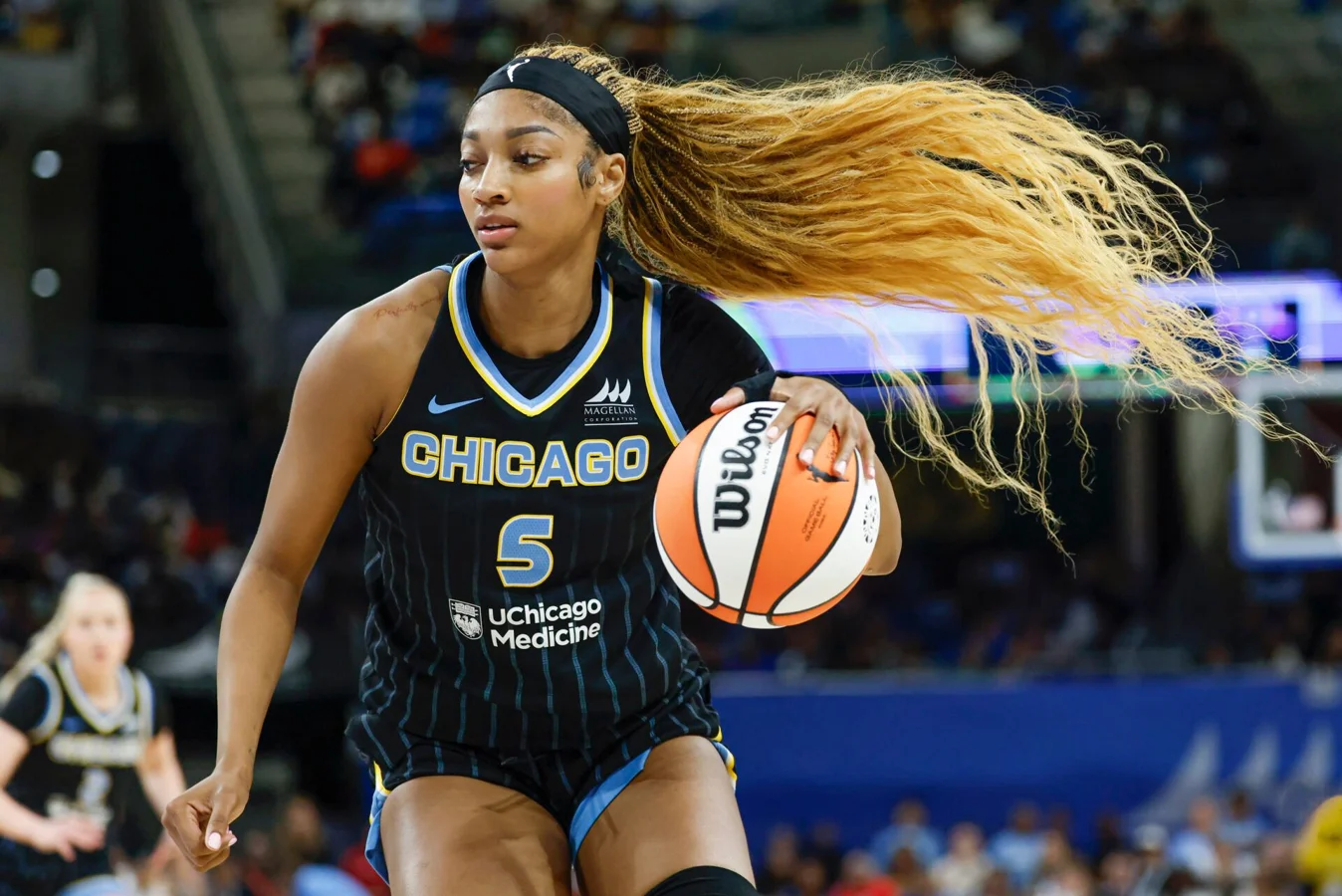
Demanding Responsibility from Fans and Platforms
Griffin’s condemnation goes beyond expressing outrage; it is also a demand for accountability. In today’s digital era, hateful content can spread instantly, and social media platforms play a pivotal role in allowing or restricting such material. Many argue that these platforms must adopt stronger measures to prevent abuse and protect athletes from racial attacks.
By publicly supporting Angel Reese, Griffin brings attention to the essential need for collective action in sports, including from fans, organizations, and online services, to foster respect and equality. His stance encourages others in the sports world to lend their voices against racism and to push for lasting change.
Looking Ahead: Fostering Respect and Inclusion in Sports
The incident involving Angel Reese highlights a significant moment for reflection within the sports world. Combating racism requires ongoing commitment from individuals and institutions alike. Griffin’s defense embodies the wider struggle for fairness and respect that transcends different games and competitions, aiming to preserve the core values of equality and human dignity.
This episode serves as a crucial wake-up call, signaling the necessity for continuous dialogue and proactive measures to create an environment where all athletes can compete free from racial discrimination and hostility. Moving forward, the sports community must work tirelessly to ensure that no player faces such demeaning attacks again.
Our Reader’s Queries
Q. What caused Angel Reese’s injury?
A. Reese explained in a TikTok video that she injured her hand after falling back. It resulted in a small bone crack. The doctors informed her that she could opt for surgery or skip it.
Q. Does Angel Reese have a 1.6 GPA?
A. Reese finished her studies at LSU in March 2024, earning a degree in Interdisciplinary Studies. Her areas of focus included Communication Studies, Leadership Development, and Psychology.
This indicates she maintained a GPA over 2.0, which is necessary for graduation as an undergraduate.
Q. What was Angel Reese’s injury?
A. They lost seven consecutive games, but managed to beat the Los Angeles Sparks on September 6. Soon after, Reese fractured her left wrist and needed surgery. Without their star player, the team won the following game but lost the next five. “Obviously, that left a bad taste in my mouth,” she said.
Q. What did Angel Reese’s parents do?
A. Angel inherited her basketball skills from her parents, who both played the sport at college and professional levels.