Christian Horner: Red Bull's downfall after scandal and Austrian HQ power struggle led to 20-year tenure's end.
Bernie Ecclestone, a longtime insider in Formula 1 and close to Christian Horner, expressed strong opinions regarding Horner’s recent dismissal as team principal of Red Bull Racing. Horner’s departure this week ended a 20-year tenure, a shift triggered by a series of controversies and internal conflicts at the team’s core. The unfolding situation highlights the complex challenges behind the famed racing outfit’s leadership changes.
Series of Controversies and Departures Preceded the Leadership Change
The catalyst for Horner’s fall included a widely publicized sexting scandal 18 months ago that overshadowed his career, although he was cleared of sexual harassment allegations twice. A notable leak of WhatsApp messages between Horner and a female employee caused significant media attention and embarrassment to Red Bull Racing. This controversy sparked a wave of personnel departures, intensifying scrutiny on Horner’s leadership.
“This business that he got involved with 18 months ago, he was just an idiot,”
Ecclestone said during a discussion about the scandal.
“He was a 50-year-old who thought he was 20, thought he was one of the boys.”
—Bernie Ecclestone, Former Formula 1 Chief Executive
Ecclestone’s Views on the Accuser and Workplace Dynamics
Ecclestone showed little sympathy toward the woman involved in the allegations, questioning why objections to unwanted advances were not voiced earlier.
“I often wonder, when these situations happen, why if the girl is so upset with the advances of someone, they don’t just say, ‘Oi you, stop it,’”
he commented. His remarks reveal a controversial stance on workplace disputes that continue to stir debate around accountability.
Concentration of Power Fueled Internal Tensions at Red Bull
Ecclestone detailed how executives at Red Bull’s headquarters in Austria grew concerned about the amount of control Horner wielded from the Milton Keynes base. In his view, this excessive authority contributed to friction within the company’s leadership.
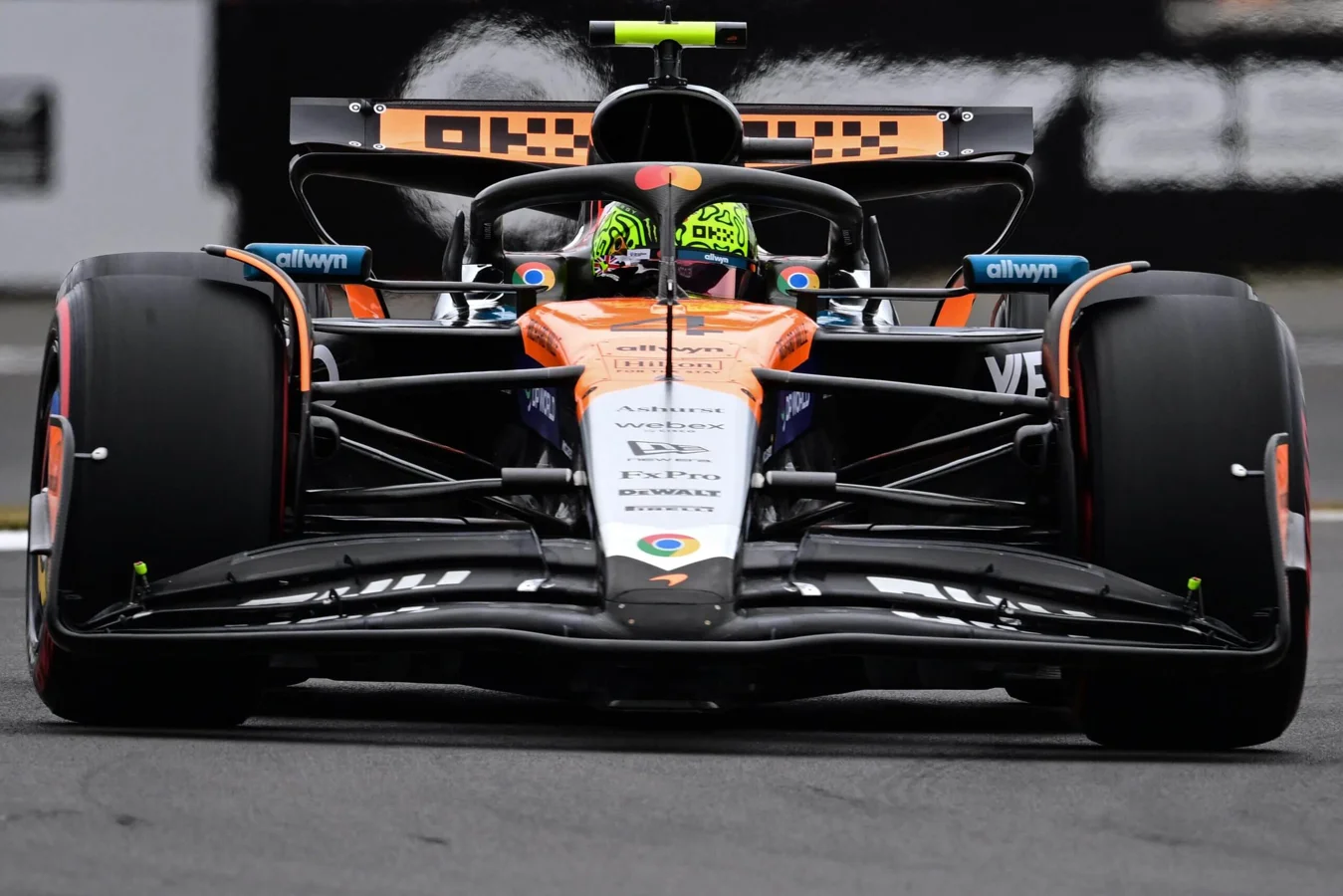
Image of: F1
“It would probably have been better if they had said, ‘Come in, Christian, sit down,’”
he suggested.
“But the bottom line is that there are people there who thought he was getting away with things, that he was acting as if it was not the Red Bull Ring, but the Christian Horner Ring. He got away with so many things. And all the time you’re delivering, people close their eyes. But when you stop delivering, people start looking. One or two begin thinking, ‘Well, I could do a better job.’”
—Bernie Ecclestone, Former Formula 1 Chief Executive
Impact of Dietrich Mateschitz’s Death on Internal Power Struggles
The passing of Red Bull co-founder Dietrich Mateschitz in 2022 led to uncertainties in the company’s hierarchy, which further complicated Horner’s position. Ecclestone described the situation as somewhat chaotic.
“Genuinely, it was a little bit of a muddle,”
he said. He explained that as chief executive, Horner wanted full control to operate according to his vision but struggled to maintain that autonomy amid rising conflicts.
“Christian was the chief executive. If I’m the chief executive of a company, I want to be in charge. I want to do all the things that I think are right, and if I’m wrong, they can fire me, they can say, ‘Sorry, bye-bye, you made a few mistakes.’ So, the minute Christian can’t be in that position to do what he thinks should be done, then for him it’s not easy. You can’t half-manage something. You need to have someone, I always say, to turn the lights on and off. You only really need one person.”
—Bernie Ecclestone, Former Formula 1 Chief Executive
Horner’s Attempt to Control Multiple Roles Contributed to His Loss of Favor
Ecclestone speculated that Horner’s insistence on managing various aspects of the team’s operation, from engineering to commercial affairs, led to growing dissatisfaction among stakeholders.
“I know it was suggested to him he should be a team manager and leave the commercial side to somebody else,”
Ecclestone said. Horner’s belief that he was the company’s chief executive made it difficult to delegate, resulting in overextension. While his success brought patience from the team, once results declined, criticism intensified.
Ecclestone added,
“Christian won a lot of championships. He was used to winning. So, it’s not easy when you’re not winning – and when you know that it’s not entirely your fault.”
Significance and Future Outlook of Leadership Changes at Red Bull Racing
The departure of Christian Horner marks a pivotal moment for Red Bull Racing, reflecting broader tensions within the rapidly evolving landscape of Formula 1 management. As the team transitions under new leadership, including the anticipated role of Horner’s heir, there is heightened expectation for stability and continued competitiveness. Internal consolidation of power and clearer role definitions may be necessary to avoid future fracturing.
Our Reader’s Queries
Q. Why is 17 banned in F1?
A. The number 17 in Formula 1 is the only driver number that has been officially retired. This is to honor Jules Bianchi, a French driver who tragically crashed during the 2014 Japanese Grand Prix while racing with this number.
Q. Which F1 driver has ADHD?
A. Lewis Hamilton, born in 1985, is a British Formula One driver for Mercedes and has previously driven for McLaren. He openly talks about his experience with ADHD and explores his various interests and passions.
Q. Why is number 17 banned in F1?
A. The number 17 was taken out of use in 2015 to honor Jules Bianchi. He passed away due to injuries from a crash at the 2014 Japanese Grand Prix while wearing that number.
Q. Is number 69 allowed in F1?
A. Drivers can pick a permanent number between 0 and 99, but not number 1. Only the World Drivers’ Champion can use number 1 if they want, but it’s not mandatory.