
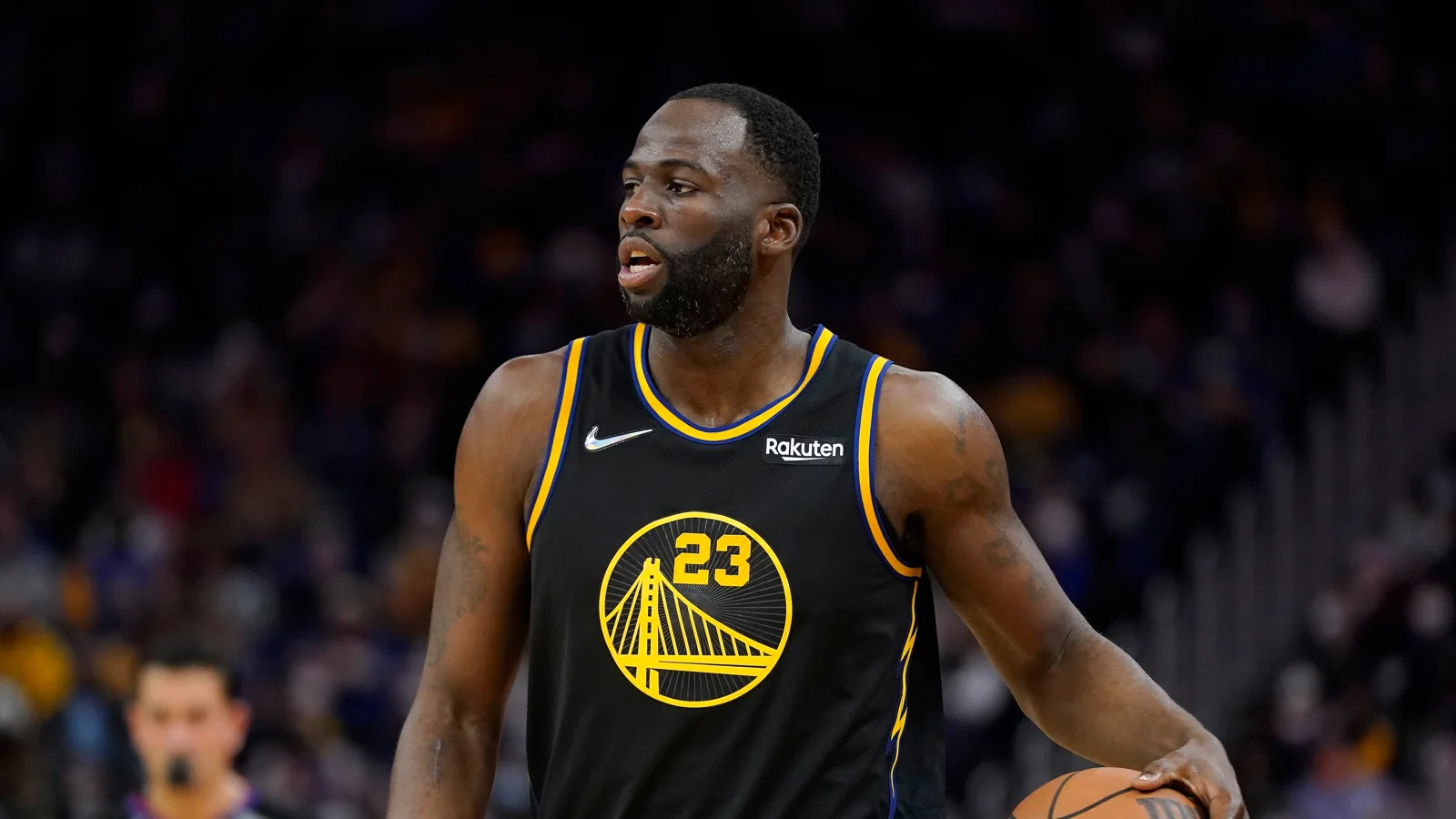

During the 2012 NBA Draft, the Miami Heat, led by team president Pat Riley, passed on selecting Draymond Green, a decision that would leave a lasting impact on NBA history. Green, ultimately drafted 35th overall by the Golden State Warriors, was a crucial missing piece for a Heat squad already boasting a star trio of LeBron James, Dwyane Wade, and Chris Bosh. The choice to overlook Green, who had earned Big Ten Player of the Year honors at Michigan State, altered the potential trajectory of both the player and the Heat franchise.
Internal Debate and the Influence of Tim Hardaway
At the time, the Heat held the 27th pick and had the opportunity to add Green to their lineup. Tim Hardaway, a Miami Heat legend working as a scout, strongly recommended drafting Green, recognizing his defensive skills and team-first mentality. Hardaway stated,
“I’m writing you up, ‘I’m like, this is Miami Heat culture,’”
and added,
“He knows how to play. He knows his role. He’s going to play defense…”
Despite this internal support, Pat Riley ultimately chose Arnette Moultrie from Mississippi State instead. Moultrie was traded on draft night for Justin Hamilton, whose NBA career lasted just three seasons, underscoring the missed chance to secure a long-term contributor like Green.
Imagining Draymond Green Within Miami’s Championship Core
Draymond Green’s rise with the Warriors sparked widespread speculation about what might have happened if he had joined the Heat. His defensive versatility and energy appeared to fit perfectly alongside Miami’s established stars. Green himself reflected on the moment, saying,
“What’s crazy is Miami was one of the teams that I thought would be really high on me during the draft,”
suggesting he believed his presence could have further strengthened the Heat’s championship window.
The Legacy of a Missed Pick and Its Wider Implications
Draymond Green’s journey to becoming a four-time NBA champion and potential Hall of Famer highlights how unpredictable talent evaluation can be. Meanwhile, the Heat’s decision remains a powerful example of a franchise passing on a player whose skill set aligned closely with its needs. This moment encapsulates the fine margins in professional sports, where one choice can influence franchise legacies and player careers. The recurring discussion around this draft choice emphasizes how talent recognition and timing shape the ever-evolving NBA landscape.