
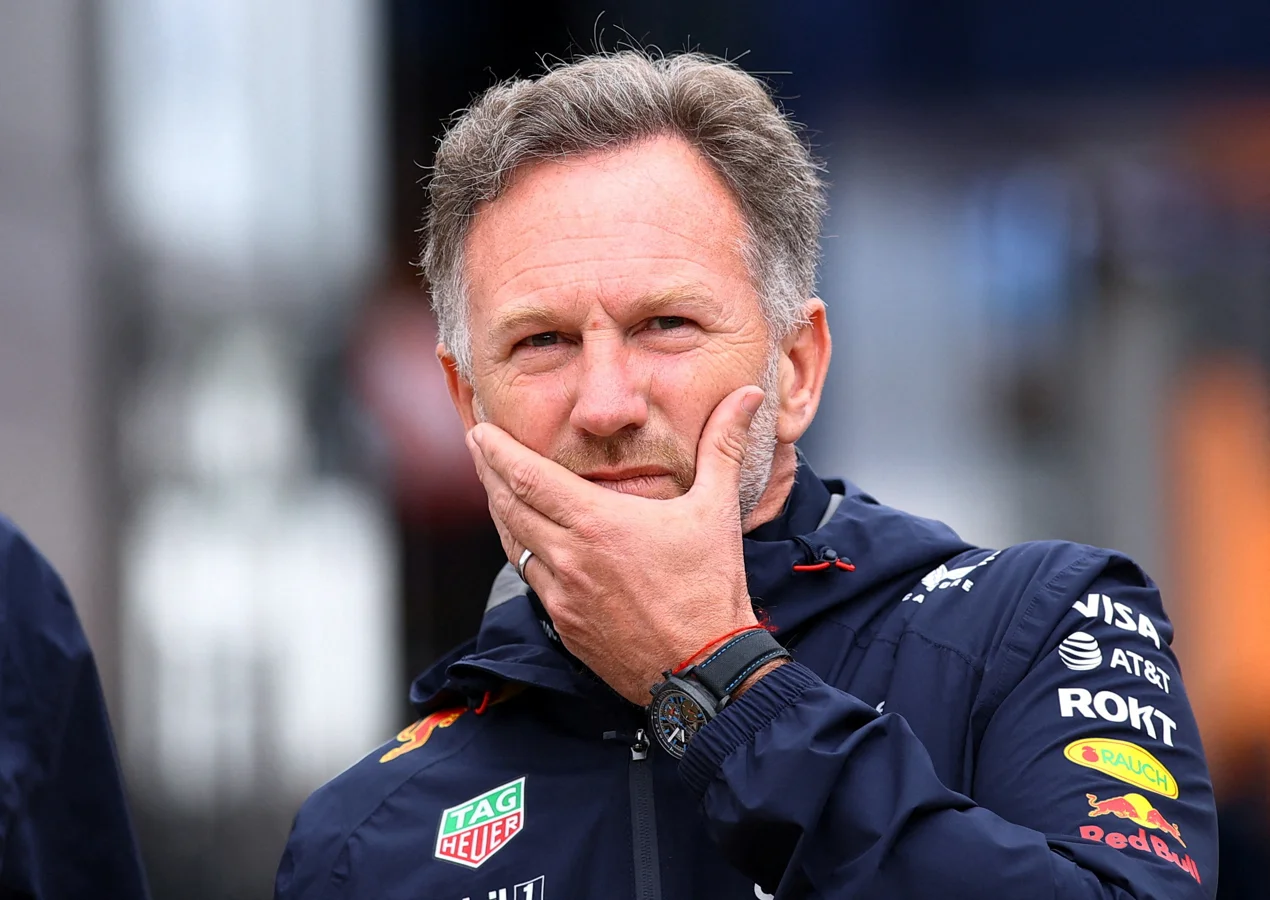

Formula 1’s driver market, expected to be relatively calm this year, has been thrown into chaos following the surprising dismissal of Christian Horner as Red Bull Racing’s team principal. Horner’s exit came amid growing internal struggles within Red Bull, particularly concerns about Max Verstappen’s potential departure, dramatically shifting the landscape for contracts and team dynamics ahead of the 2026 season.
The upheaval has intensified speculation around contract renewals and team changes, affecting both senior drivers and up-and-coming talent as teams recalibrate their strategies in response to this sudden management shift.
The Ripple Effect on Max Verstappen and Mercedes
Verstappen’s future remains the pivotal question after Horner’s sacking. Rumors suggest Verstappen may be able to leave Red Bull if he is not in the top three of the drivers’ championship by mid-season, making his decision highly influential on the overall market.
With Horner gone, there is speculation that the environment at Red Bull could improve from Verstappen’s perspective. His father, Jos Verstappen, reportedly had tensions with Horner, mainly over team management and the loss of key personnel, even calling for Horner’s removal following accusations against him. Jos’s stance has led some to believe that Horner’s departure will make the team more appealing for Verstappen to stay.
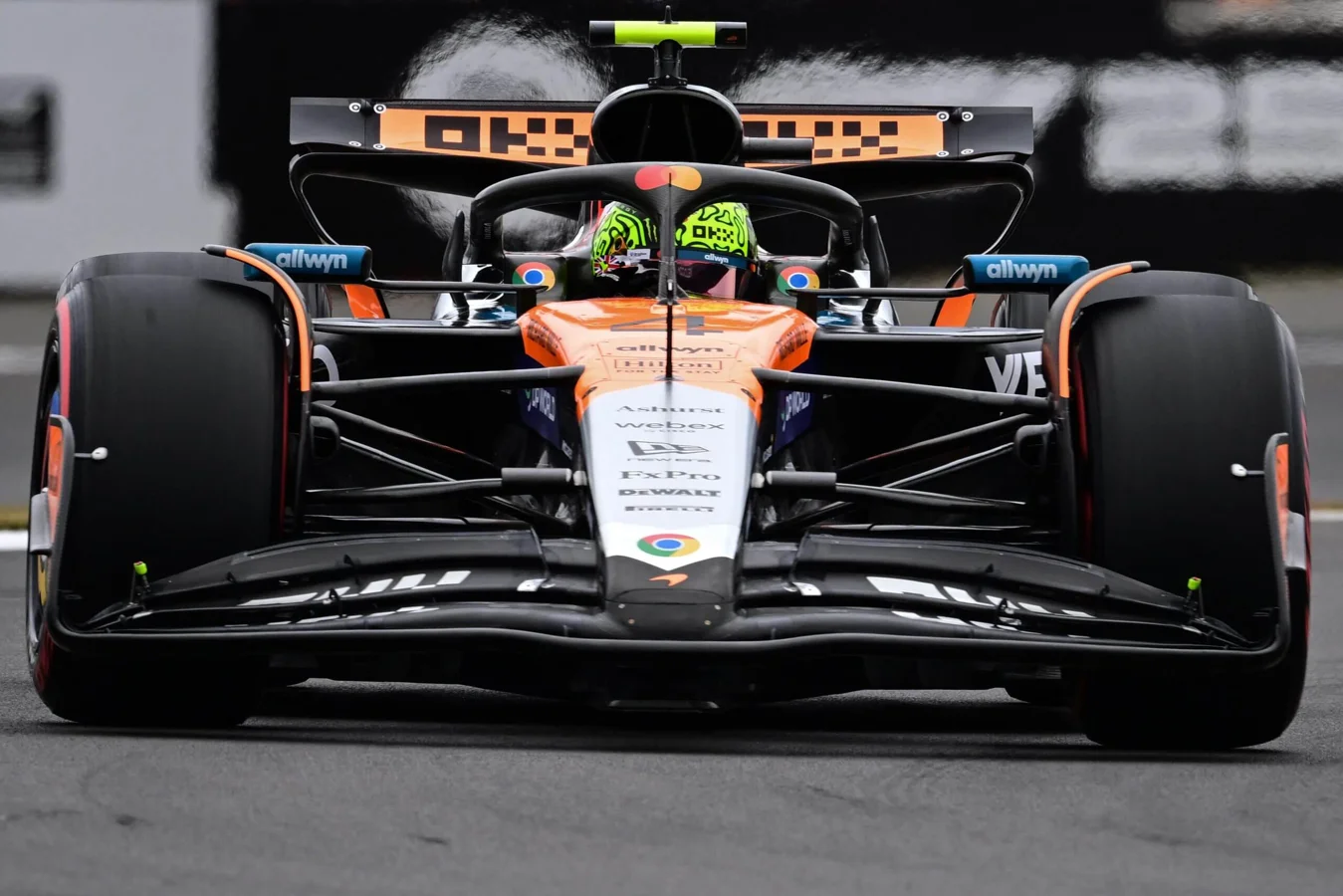
Verstappen has long expressed frustration that the team has not adequately heeded his input, contributing to some of Red Bull’s recent struggles. Should the Dutch driver’s influence grow with new leadership, it might persuade him to remain involved with the team’s future.
However, uncertainty remains. Verstappen may have already decided to leave Milton Keynes regardless, with Horner’s ousting possibly serving as a scapegoat for deeper internal failures. The true indicator could be how Mercedes responds, particularly regarding George Russell’s contract situation.
Russell’s renewal talks have stalled due to Toto Wolff’s interest in Verstappen, who is considered a long shot but still a possibility. Russell’s contract remains unresolved and may be limited to short-term terms, making his future precarious. Reports indicate Aston Martin is courting Russell for 2026, but a move back to Red Bull is also on the table given the disappearance of Horner, a prior barrier to such a transfer.
Despite Red Bull’s dominance this year, Aston Martin, boosted by Adrian Newey’s leadership and substantial funding, might present a more competitive and appealing option moving forward.
Yuki Tsunoda’s Prospects Under New Leadership
The upheaval at Red Bull also raises urgent questions about Yuki Tsunoda’s future with the team, as Verstappen’s fate remains unresolved. Tsunoda’s performance has significantly lagged behind Verstappen, marking him as a potential candidate for replacement even if Verstappen opts to stay.
Tsunoda’s stats reveal a stark gap: an average qualifying position near 13th, consistently overshadowed by Verstappen in head-to-head comparisons, and a points tally vastly lower than his teammate’s. Under Horner’s leadership, the team had resigned to this disparity, focusing mainly on assisting Tsunoda’s development but with limited expectation of major improvement.
With Laurent Mekies stepping in as team principal, Tsunoda’s position could improve. Mekies, who played a major role supporting the Japanese racer during their time at Racing Bulls, has publicly praised Tsunoda’s progress and character:
“We’re incredibly proud of Yuki earning his well-deserved move to Red Bull Racing,” —Laurent Mekies, Team Principal
“Yuki’s energy and positivity has lightened up every corner of our factories and of our garage, and he will always be a Racing Bull.” —Laurent Mekies, Team Principal
Mekies’s technical expertise and personal faith in Tsunoda might encourage the team to invest more in nurturing his talent, potentially improving his chances of retention and performance in the coming seasons.
Racing Bulls Line-Up: Who Faces Replacement?
The junior Red Bull program remains highly competitive, with no place for drivers who are not destined for Red Bull Racing’s main squad. The exit of Horner does not halt this stringent policy, heavily influenced by motorsport adviser Helmut Marko.
Liam Lawson, currently out of contract, appears most vulnerable despite moments of promise, including a recent career-best sixth-place finish in Austria. Yet, his overall numbers lag behind those of his teammate and rookie contender, Isack Hadjar.
Lawson’s qualifying average sits around 13.7, with Hadjar outperforming him in most head-to-head metrics, including qualifying and race finishes. Although the gap has narrowed recently, Lawson has yet to build a convincing case for retention, particularly with Arvid Lindblad rising from Formula 2 as a strong challenger.
Hadjar has expressed reservations about being promoted to Red Bull Racing prematurely, having witnessed the pressures that come with the second seat at Red Bull:
“I don’t know what’s going on over there,” —Isack Hadjar, Racing Bulls driver
“But the only thing I can tell is that Yuki is very fast.” —Isack Hadjar, Racing Bulls driver
With Mekies now at the helm, some of Hadjar’s concerns may be alleviated, but the team faces a difficult balancing act in determining which drivers are ready for promotion and can contribute to the brand’s success.
Alpine’s Uncertain Driver Strategy for 2026
Alpine’s driver choices for 2026 remain unclear amid a turbulent season marked by doubts over young driver Jack Doohan and his replacement, reserve driver Franco Colapinto. Colapinto, initially loaned from Williams to secure his place on the grid, failed to impress sufficiently, offering no clear upgrade over Doohan.
Flavio Briatore, effectively managing Alpine’s racing decisions, has been publicly dissatisfied with the rookie options, reportedly exploring the possibility of bringing in experienced driver Valtteri Bottas from Mercedes’s reserve pool. Bottas’s availability remains uncertain, but Alpine’s pursuit of experience underlines its reluctance to risk long-term development with less proven talent.
Should Bottas be unavailable, Alpine is preparing reserve driver Paul Aron by granting him FP1 session experience with Sauber and Alpine itself later this season. Doohan remains on the books but likely only as a fallback option, illustrating Alpine’s indecision as contract deadlines approach.
Cadillac’s Shift Toward Experienced Drivers
Cadillac, undergoing its transition from the former Andretti Global, initially aimed to promote young American drivers, but reality has shifted priorities toward experience for its inaugural Formula 1 season. With few rookies considered viable at this critical phase, seasoned drivers have taken precedence.
Valtteri Bottas is currently the front-runner to secure a seat at Cadillac, praised for his vast experience and active engagement with current F1 machinery as a Mercedes reserve driver. Compared to Sergio Pérez, who is currently on hiatus after his Red Bull Racing career waned, Bottas offers a more assured option.
Cadillac aims to finalize at least one driver signing by the mid-season break, with Bottas poised to confirm his deal imminently. The Finn’s decision to join Cadillac likely reflects his desire for a stable role that promises long-term contracts and a position in the team’s foundational history, rather than serving as a temporary placeholder as he might at Alpine.
Though Pérez remains a possibility, particularly if Cadillac seeks a combination of experience for its two seats, the second driver announcement is expected to come later. This delay allows the team to evaluate unusual late market developments, such as potential availability from the likes of George Russell or Yuki Tsunoda.
Looking Ahead: What the Future Holds for F1
As unpredictable as the current situation is, several clear trends are emerging in the F1 driver market after Horner’s sacking. Red Bull must build a driver line-up that fits a new era under reshaped leadership, balancing youth development with proven talent. Verstappen’s decision will send shockwaves beyond Red Bull, influencing contract talks and seat availability across multiple teams.
Mercedes, Aston Martin, Alpine, and Cadillac are all positioning themselves to capitalize on contract openings and driver movements, with experience increasingly valued in an environment of rising technical complexity and strategic uncertainty.
The coming months will be critical as teams finalize contracts, promote rising stars cautiously, and attempt to stabilize after a period of intense upheaval. With the mid-season break looming, fans and insiders alike await decisions that could redefine team dynamics and championship battles for years to come.
Our Reader’s Queries
Q. Why is 17 banned in F1?
A. In Formula 1, the number 17 is the only driver number that has been officially retired. This was done to honor Jules Bianchi, a French driver who was using the number 17 when he experienced a tragic accident at the 2014 Japanese Grand Prix.
Q. Which F1 driver has ADHD?
A. Lewis Hamilton, born in 1985, is a British race car driver in Formula One. Currently, he drives for Mercedes but has also raced for McLaren. He openly talks about his experiences with ADHD and explores his various interests and hobbies.
Q. Why is number 17 banned in F1?
A. In 2015, the number 17 was retired to honor Jules Bianchi. He died that year due to injuries from a crash during the 2014 Japanese Grand Prix while racing with that number.
Q. Is number 69 allowed in F1?
A. Drivers can select a personal number from 0 to 99, with the exception of number 1. The current World Drivers’ Champion can opt to use number 1, but it’s not mandatory.