
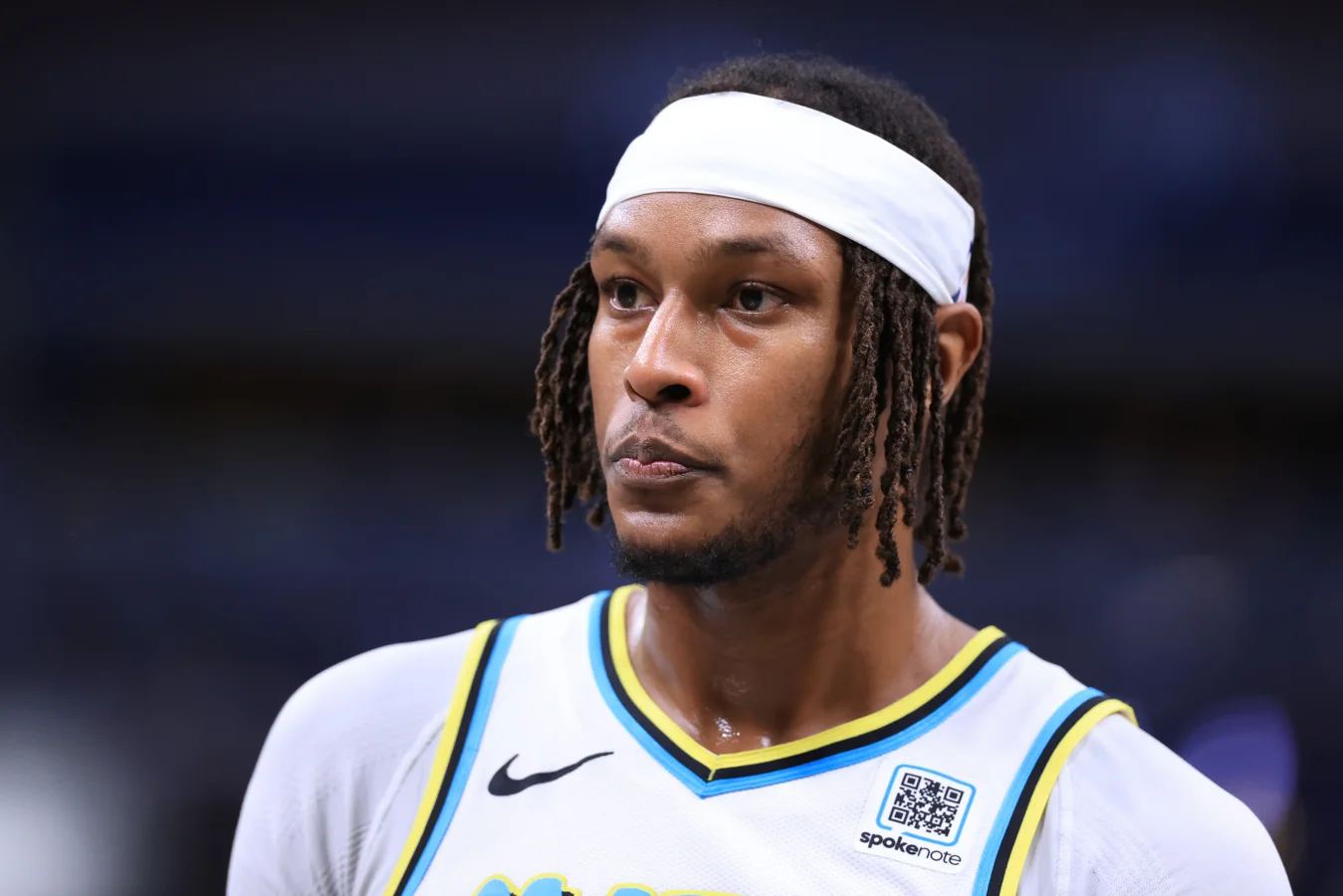

Mike Brown, recently named head coach of the New York Knicks, is implementing a pace and space strategy that demands adaptability, a crucial factor for the Knicks’ success this season. This shift directly influences Josh Hart’s Knicks future adaptation, as Brown’s system prioritizes speed and floor spacing over traditional roles.
During Brown’s introduction, he highlighted the importance of evolving with the modern NBA style:
“If you can’t evolve, you’re going to get left behind.”
—Mike Brown, Head Coach
Brown’s Coaching Career and Lessons Learned
Mike Brown’s coaching timeline includes notable achievements, most recently winning a second Coach of the Year with the Sacramento Kings. Nevertheless, his period there ended prematurely after over two seasons due to the team’s limitations in shooting, pointing to the necessity of a versatile roster well-suited for a fast-paced offense. Brown’s experience underscores the evolving requirements of NBA coaching, moving away from rigid, defensive-focused systems, such as those favored by former Knicks coach Tom Thibodeau.
Challenges for Josh Hart Within the New System
Josh Hart, known for his energetic defense and hustle, now faces scrutiny under Brown’s coaching philosophy, which demands capable shooting alongside defensive effort. Hart struggled with consistency last season, especially in the playoffs where his defense faltered, notably against the Indiana Pacers. This downturn contributed to the loss of his starting role.
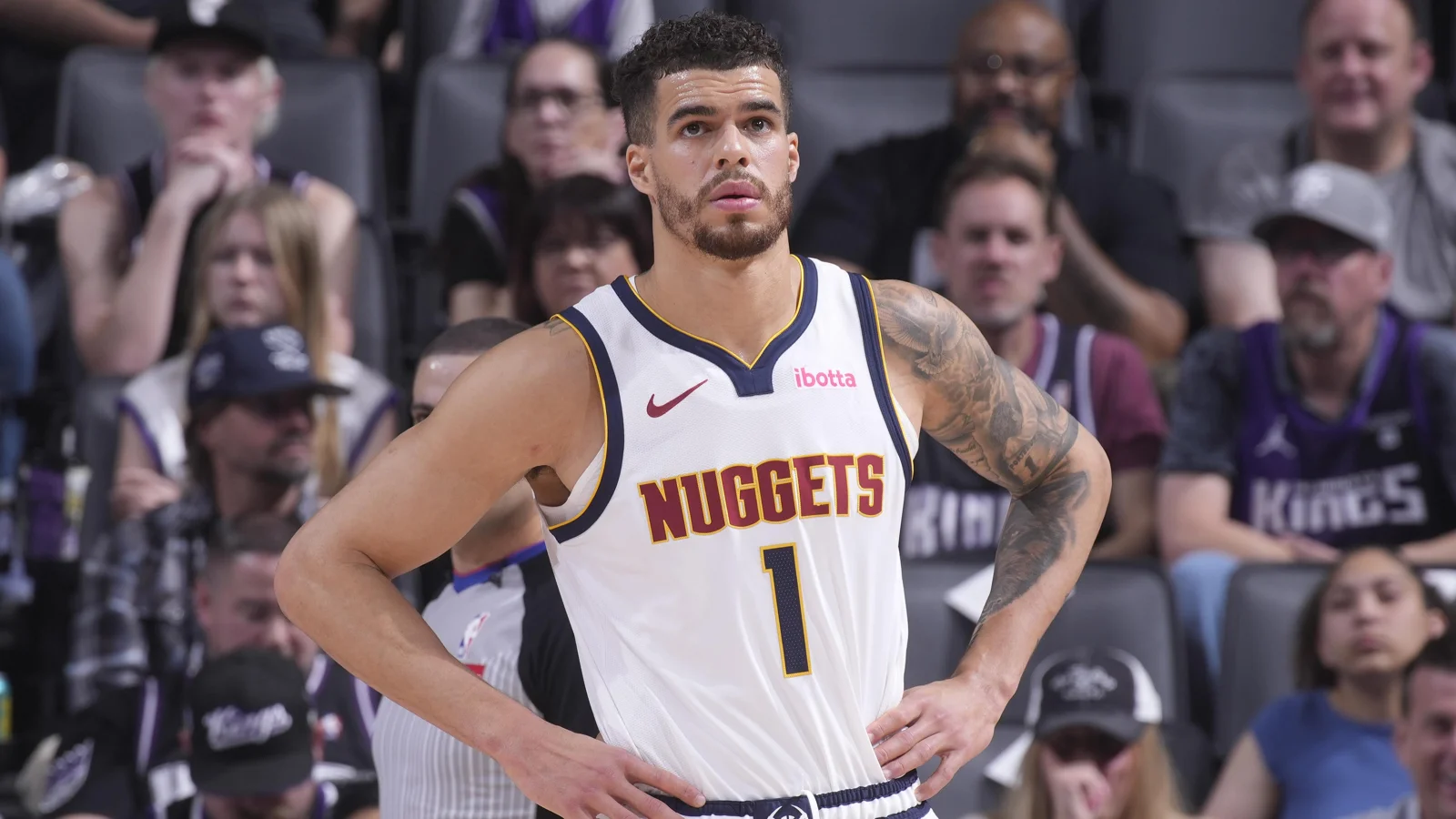
Since Brown’s system values perimeter shooting highly, Hart’s traditional strengths may not be enough to secure his spot, especially with new perimeter scorers joining the roster. For Hart, adapting his game to improve shooting while sustaining defensive intensity is critical to his future contributions and status on the Knicks.
How Brown’s Philosophy Shapes the Knicks’ Outlook
The Knicks are entering a season defined by Mike Brown’s emphasis on pace, spacing, and offensive fluidity. The success of Brown’s system will depend heavily on how well players, including Hart, adjust to these demands. The balance of maintaining defensive toughness while adding shooting efficiency is at the core of the team’s new identity.
This strategic transformation represents more than just a coaching change; it signals a potential overhaul of the Knicks’ playing style, aiming to position the franchise among the NBA’s competitive elite. The adaptation of players like Josh Hart to these evolving expectations will significantly influence the team’s progress and playoff aspirations.
Anticipating the Impact on Josh Hart and the Knicks
As the season approaches, the Knicks’ success hinges on embracing this shift toward a more dynamic, pace-oriented game. Josh Hart’s ability to evolve with Brown’s system reflects a broader challenge facing the entire roster: the necessity to blend traditional basketball strengths with modern, speed-driven strategies. How well the Knicks and Hart meet this challenge may determine their trajectory in a highly competitive league.
Our Reader’s Queries
Q. Is Josh Hart a 6th man?
A. This morning, Josh Hart discussed the possibility of becoming a bench player. He said he’s held different roles, from the 15th to the third man. Despite these roles, he believes he is a starter and thinks he performed excellently this year.
Q. Is Josh Hart really an Eagle Scout?
A. In 2013, Hart achieved the rank of Eagle Scout in the Scouting BSA program.
Q. Is Josh Hart a good shooter?
A. He’s an important player when he receives the ball from Brunson and often passes it to the corner or dunker spot. If Hart decides not to pass, he is very effective at making baskets, hitting 61.8% of his two-point shots, the best in his career.
Q. What is Josh Hart’s 2K rating?
A. In my view, Stephen Curry is the best shooter ever in basketball. His range and skill changed how NBA games are played. Throughout his career, he’s made 42.5 percent of his three-point shots and 91 percent of his free throws.