

The NBA’s social media realm recently ignited after Tracy McGrady stirred discussion by praising Jamaal Tinsley’s ball-handling skills on The Old Man & the Three podcast. His statement positioned Tinsley as the best ball-handler he had ever seen, even above Kyrie Irving, who many consider among the greatest in this skill. This comment sparked immediate reactions, including from Kyrie Irving himself and Damian Lillard, intensifying the ongoing Kyrie Irving handles debate.
McGrady’s recognition of Jamaal Tinsley—a point guard known in the early 2000s for his creative and slick play—brought a lesser-remembered figure back into the conversation about elite handles. Yet, Kyrie Irving responded with confidence, asserting his unique style and movement that he claims set him apart from anyone else.
Responses from Kyrie Irving and Damian Lillard Highlight the Divide
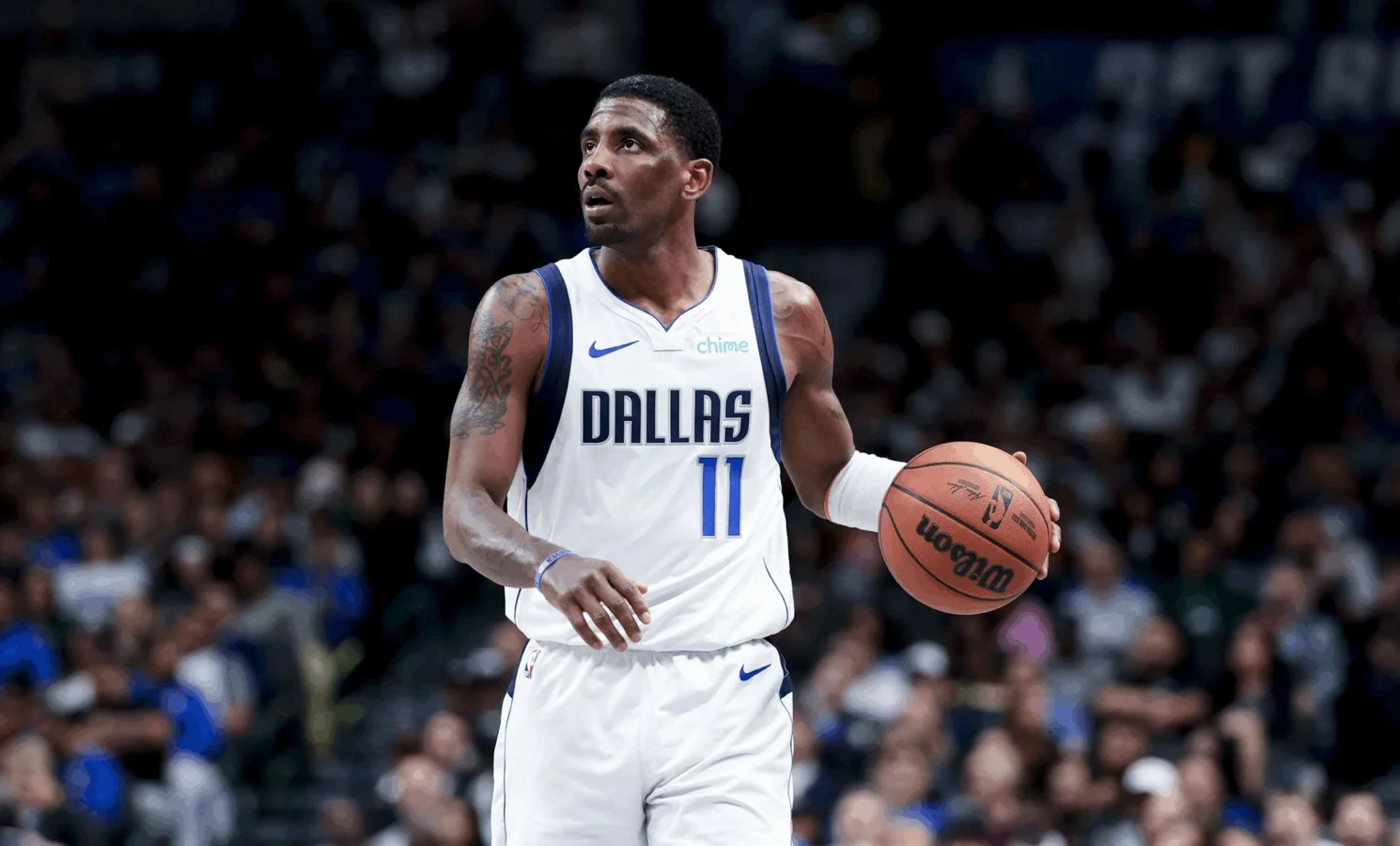
Kyrie Irving took a measured stance, acknowledging the influence of past great players while emphasizing that his style remains unmatched. He stated,
“It doesn’t bother me because I’m a mix of all the great players that came before me. … but I just don’t think he has the same movement. Jamaal Tinsley was not moving like me. I don’t think anybody moves like me.”
—Kyrie Irving. This response underscored his belief that his handle skills elevate beyond previous generations.
Damian Lillard, however, adopted a more direct and less subtle approach to defend Kyrie. Through a brief Instagram story post, he asserted,
“Tinsley was nice but KAI is in his own league man lol.”
—Damian Lillard. His use of “lol” did not suggest humor but rather served as a definitive end to the conversation, effectively dismissing the comparison and cementing Irving’s superior standing in his eyes.
Contrasting Legends: Nostalgia Versus Current Excellence
The debate reflects a larger thematic clash between nostalgia and the present state of the game. McGrady’s admiration for Tinsley echoes a reverence for past skill sets, while Lillard’s retort emphasizes current excellence and statistical achievements. Both players have distinguished careers—Lillard’s career scoring average stands at 25.1 points per game, while McGrady’s is 19.6—highlighting their understanding of elite talent. However, Lillard’s reaction marks a clear boundary, suggesting that Tinsley’s style belongs more to history than to the modern, evolving game exemplified by Kyrie Irving.
Irving’s own comments further solidify this perspective, as he shared,
“I’m a mix of all the great players that came before me… I just took it to a whole different place.”
—Kyrie Irving. This statement encapsulates his view that while he builds upon the foundation laid by others, his artistry in ball-handling surpasses any comparison.
Damian Lillard’s Transition and Its Impact on the Debate
Amid the heated debate, Damian Lillard is also navigating a significant personal and professional transition. Recently waived by the Milwaukee Bucks, the team opted to pursue Myles Turner with a $107 million, four-year contract, reallocating resources away from Lillard’s remaining $112 million contract. This strategic move correlated with the Bucks’ need for more floor spacing and difficulty integrating Lillard, especially given his ongoing recovery from a torn Achilles tendon.
The Bucks’ decision conveys their shifting priorities, favoring Turner’s shooting range over Lillard’s proven clutch scoring, while releasing other players like Vasilije Micic back to the EuroLeague. Their parting message to Lillard was,
“A leader as resilient and clutch as they come.”
—Milwaukee Bucks organization. Despite the respectful farewell, the timing of Lillard’s Instagram post defending Irving appeared almost symbolic, connecting his own battles with critiques on basketball skill debates.
Lillard’s post included a poetic nod to his injury struggles:
“34 a torn Achilles … History etch it in … a Mona Lisa Typa sketch within…”
—Damian Lillard. This reflects the ongoing personal challenges he faces as he rehabilitates and contemplates the next chapter in his career, contrasting the distractions of external debates about ball-handling hierarchies.
The Basketball Debate’s Larger Meaning and What Lies Ahead
The exchanges between McGrady, Irving, and Lillard highlight how basketball discussions often transcend mere talent comparisons and enter realms of legacy, evolution, and personal identity. While McGrady’s nostalgia celebrates past players like Tinsley, Lillard and Irving both emphasize the evolution of skills and the importance of acknowledging current standards.
This unfolding dialogue serves to remind fans and players alike that basketball is a constantly evolving sport, where artistry and athleticism adapt with each generation. Kyrie Irving’s handles symbolize not just skill but innovation, and Lillard’s defense of him reiterates respect for the present game’s complexities.
For Damian Lillard, his role is now shifting from competitor on the court to a player overcoming injury and free agency uncertainty. The timing of this debate amid his rehabilitation process adds layers of meaning to his outspoken support for Irving.
As the NBA moves deeper into its offseason, fans can expect further conversations about player legacies and skill debates, with Kyrie Irving’s handles remaining a focal point for basketball purists and analysts. Meanwhile, Damian Lillard’s personal journey will be closely watched as he works to redefine his place in the league.