
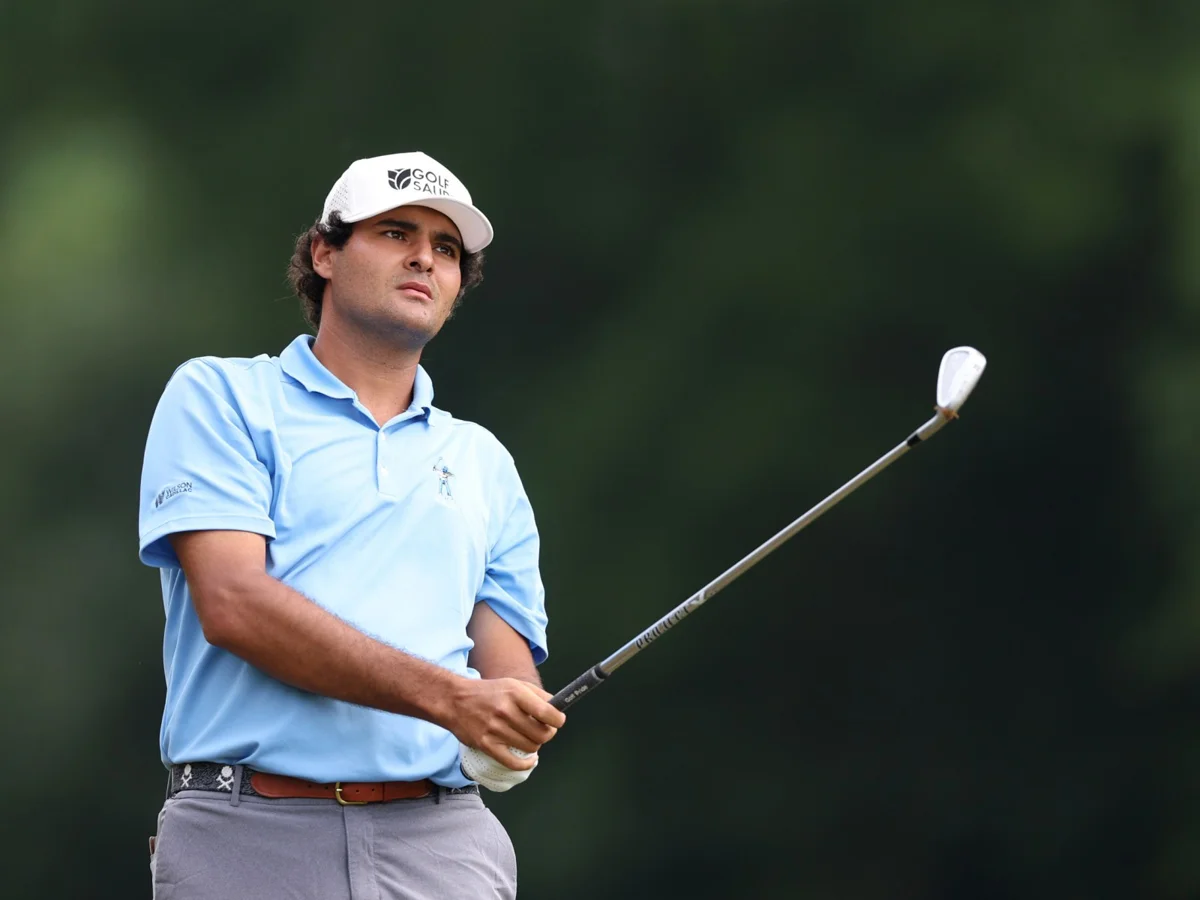

Jon Rahm and a leading LIV Golf figure have voiced serious worries following the recent PGA Tour leadership shake-up. While some welcomed the new management with optimism, Rahm cautioned that deeper problems could stall progress between LIV Golf and the PGA Tour, signaling a fragile outlook for golf’s future.
Rahm noted that personal ties among the new leaders might improve dialogue, but he warned that decisive power remains with higher authorities, casting doubt on swift resolution. His remarks suggest underlying tensions that may complicate cooperation despite hopeful expectations.
Lee Westwood Highlights Lingering Issues Amid Leadership Transition
Lee Westwood also shared his unease over the change in leadership during a recent podcast, acknowledging the possibility of renewal under Brian Rolapp, who is set to become CEO in 2025. However, Westwood emphasized ongoing resentments and unresolved conflicts that threaten to undermine efforts to reconcile the PGA Tour with LIV Golf.
These concerns reflect a history marked by strained relations and skepticism toward the new direction under Rolapp’s upcoming stewardship.
Jay Monahan’s Controversial Role and Its Lasting Impact
The friction escalated significantly under former PGA Tour commissioner Jay Monahan, whose emotional and reactive decisions deepened divisions. His approach, such as suspending players who defected to LIV Golf amid lucrative offers, sparked legal disputes and entrenched mistrust between stakeholders.
This turbulent period further complicated attempts to bring the factions together and left a fractured legacy that the new leadership must confront.
Failed Collaboration and an Uncertain Future for Professional Golf
Although a collaborative agreement between the PGA Tour and LIV Golf was announced in 2023, it ultimately fell apart, leaving players and fans uncertain about what lies ahead. Monahan’s departure opened the door for change, but the challenges inherited by Brian Rolapp and his leadership team remain substantial.
With this fragile state of affairs, Rolapp faces the difficult task of healing these divisions and steering professional golf toward stability and unity, a challenge that underscores the sport’s precarious position amid ongoing conflicts.