
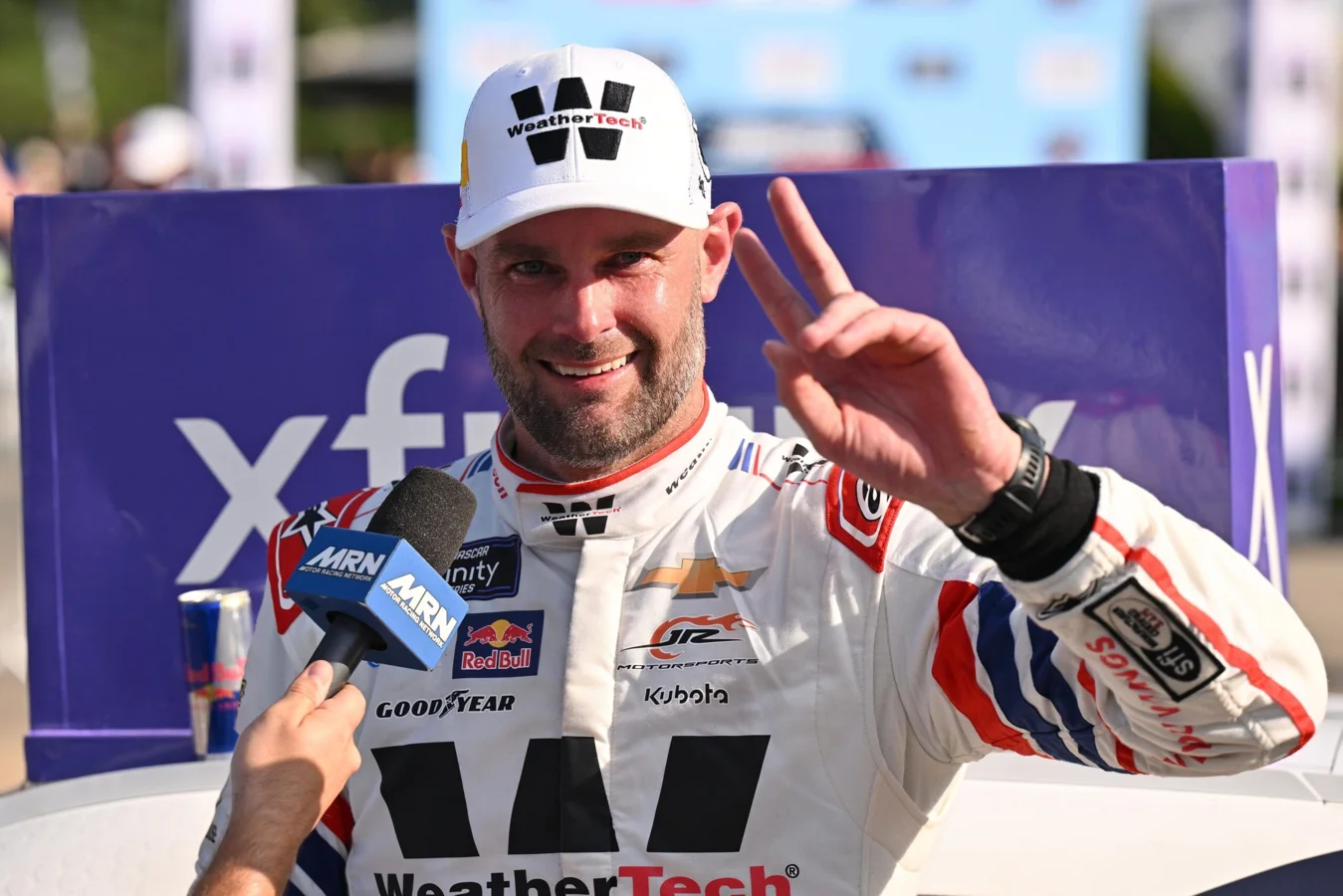

NASCAR drivers have developed a unique way of communicating frustration and emotions while racing, and Shane Van Gisbergen has just unveiled the amusing hierarchy behind these secret hand gestures. The Trackhouse Racing driver shared how competitors use hand signals through their car windows, creating a surprisingly strategic form of expression during races.
Racing at high speeds brings intense emotions, and with limited options to communicate on the track, drivers rely on subtle but clear gestures. The design of NASCAR’s NextGen cars, featuring windows that allow visibility of hand movements, has made this silent language of gestures possible, giving drivers a rare chance to express themselves directly to one another.
What Sets NASCAR’s Gestures Apart from Other Racing Forms?
Before joining NASCAR, Shane Van Gisbergen built a successful career in other motorsports, notably winning the Australian Supercars Championship three times. Since his transition to stock car racing in 2023, he quickly made an impact, capturing his first Cup Series victory at the Chicago Street Course. Despite this landmark achievement, his journey in NASCAR has had challenges and learning experiences.
During the 2024-25 season, Van Gisbergen reached victory lane three times in the Xfinity Series, all on road courses, demonstrating his skill in those specific formats. He also secured a notable third-place finish at the Charlotte Roval, highlighting his adaptability on different track layouts.
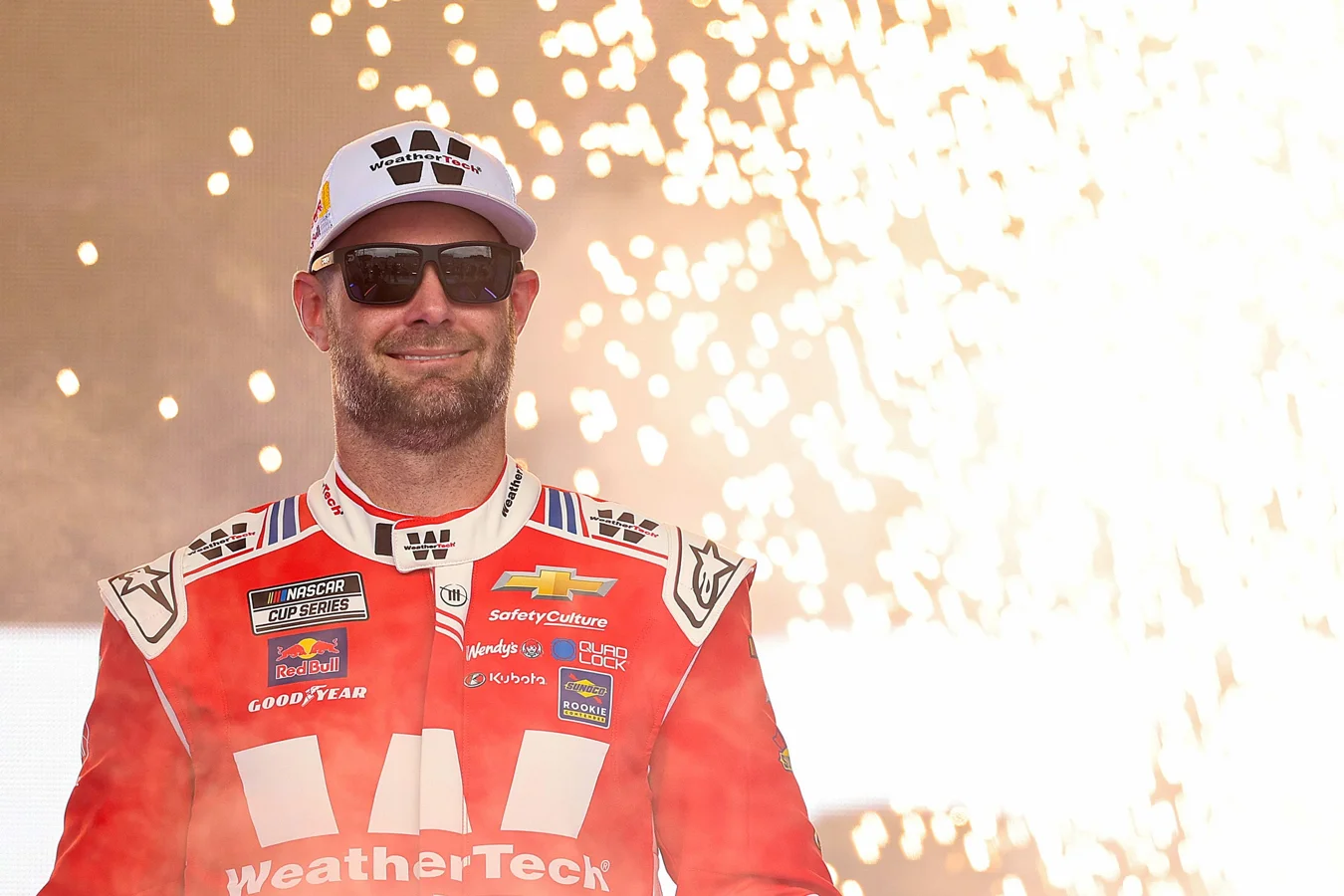
Shortly after his commanding win in Chicago, Van Gisbergen sat down with racing journalist Jeff Gluck in the ’12 Questions’ interview series and discussed several facets of his racing life, including tough moments on the track and misconceptions about his driving style.
When asked about his personal approach to using the middle finger while racing, the No. 88 driver revealed that NASCAR’s NextGen cars enabled drivers to make hand gestures more openly. Van Gisbergen noted,
I’ve only just started doing it because we’ve got windows (in the cars) at home. It’s quite fun here doing it.
—Shane Van Gisbergen, NASCAR Driver
How Shane Van Gisbergen Manages On-Track Frustration
Van Gisbergen emphasized that these gestures are typically lighthearted and part of the fun among drivers. However, he admitted to employing them out of genuine frustration during a recent race in Michigan. He explained,
I actually did it (in Michigan) at someone. They were racing me like an idiot, and then put their hand out at me. So I passed them and then did it back.
—Shane Van Gisbergen, NASCAR Driver
Despite these occasional moments, Van Gisbergen stressed that there are unwritten limits to such behavior. He added,
I think it’s pretty rude, though. I don’t want to do that all the time. You only do it when people deserve it, I guess. Or for fun.
—Shane Van Gisbergen, NASCAR Driver
Jeff Gluck, reflecting on the interview, remarked on Van Gisbergen’s candidness and shared his amazement at learning about the driver’s nearly quitting racing and subsequent legal issues, highlighting the depth of the conversation beyond just racing anecdotes. He tweeted,
This week’s 12 Questions interview is another one with lucky timing, in case you want to know more about @shanevg97. I didn’t know the story of the time he almost quit racing and then got in a messy legal battle, which he explains here: https://t.co/DuZpyw5tSP
—Jeff Gluck, Racing Journalist
When Gluck asked whether these hand gestures are noticeable to fans on television, Van Gisbergen explained the subtlety and social nature behind them. He pointed out that many gestures are polite signals, like when drivers allow others to pass or show appreciation. Laughing, he described the different intensities of gestures on the track, stating,
But you can see some people just put a sly finger out, and then I guess when they’re really angry, the whole hand comes out. (Laughs.) It’s quite funny, because you can’t express yourself in other racing because you’ve got the window. It’s pretty cool.
—Shane Van Gisbergen, NASCAR Driver
This insight reveals how NASCAR’s distinctive car construction provides a platform for drivers to communicate emotions in real time, an aspect rarely captured by broadcast cameras. The windows serve as a rare conduit for raw, human expression amidst the high-velocity competition, adding an unexpected layer of interaction between drivers.
The Significance of Gesture Communication in NASCAR
Van Gisbergen’s revelation highlights an entertaining yet meaningful aspect of NASCAR culture that spectators may not often notice. The use of hand gestures allows drivers to navigate the emotional intensity of the sport, balancing frustration and camaraderie without resorting to verbal confrontation.
Incorporating this nonverbal communication adds a human element to the sport, providing fans with a glimpse of driver personalities beyond their racing skills. It also underscores the importance of NASCAR’s NextGen car design in shaping how drivers interact on the track, potentially influencing driver behavior and relationships during races.
As Van Gisbergen continues to build his NASCAR career alongside competitors like Scott McLaughlin, these inside jokes and hand signals may become more familiar to fans, further enriching the viewing experience. Observing this silent dialogue could offer new insights into driver dynamics and real-time race tensions as the season progresses.
Our Reader’s Queries
Q. Why did Shane van Gisbergen quit?
A. Shane van Gisbergen believes he made the “right decision” by leaving Supercars to chase a career in NASCAR. This year, he is participating in his first full season in the NASCAR Xfinity Series with Kaulig Racing, following 15 years in Supercars.
Q. How much did Shane van Gisbergen win in NASCAR?
A. Stewart-Haas Racing is ending after 16 years, partly because finding sponsors for a four-car team was tough. Stewart is leaving NASCAR as tensions rise between the sport’s officials and teams about what’s next for racing.