
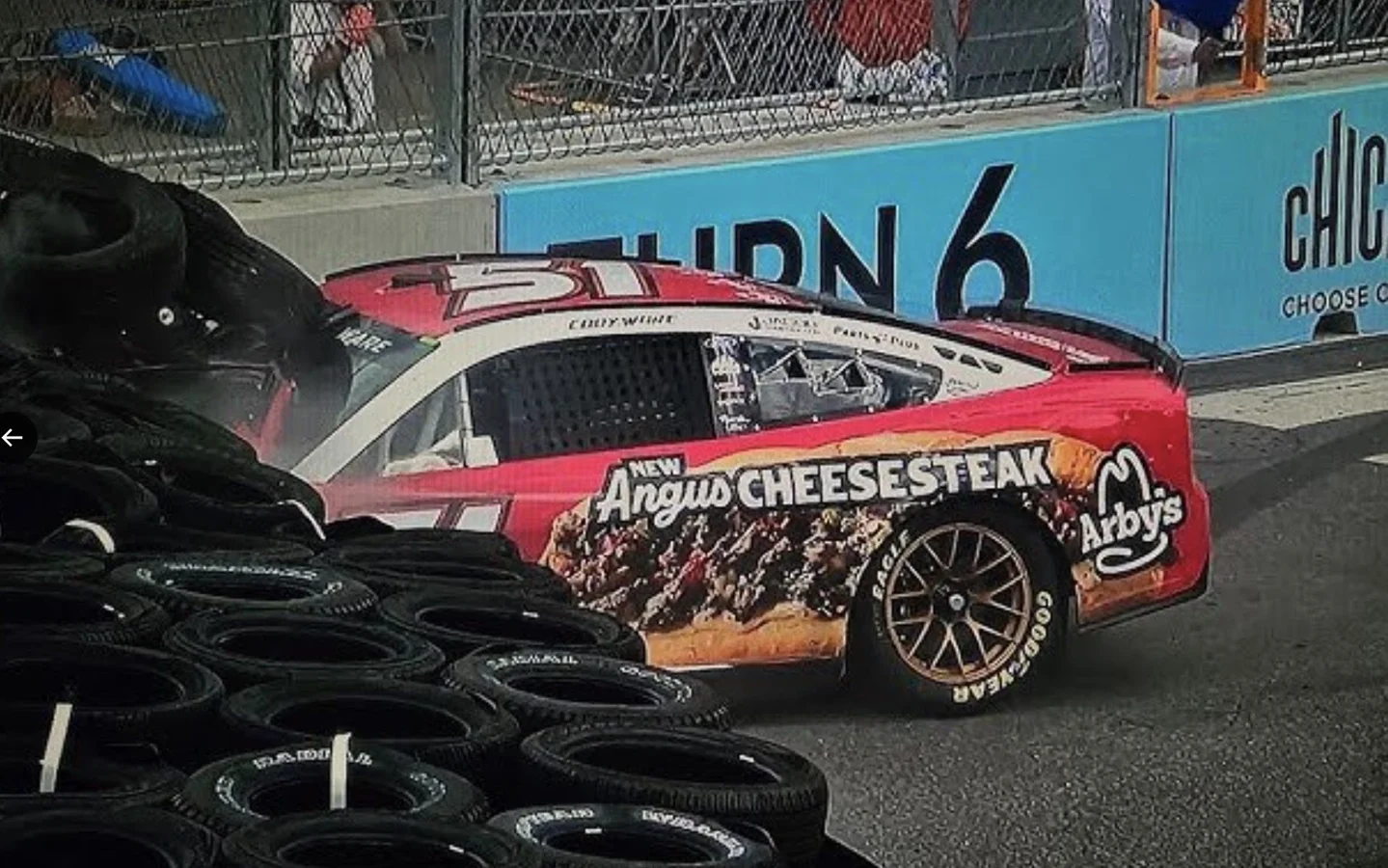

Shane van Gisbergen expressed strong concern over NASCAR’s delayed caution following Cody Ware’s violent crash at Chicago this past weekend. Speaking with reporter Claire B. Lang, van Gisbergen described the wreck as difficult to watch, emphasizing the need for NASCAR to improve its safety responses.
Looking at that fan vision of the car passing by, it’s sickening to watch that,
Shane van Gisbergen said.
I guess there needs to be something to be improved. But I feel like NASCAR in general is fast-moving with that stuff. I’m sure it’ll be better.
Context of the Wreck and Race Outcome
The crash occurred late in the race at Turn 6, where Cody Ware lost control and slammed into the tire barriers at approximately 90 mph. Simultaneously, van Gisbergen crossed the start/finish line to secure the victory in the Chicago Street Race. NASCAR then issued the caution flag shortly after, which confirmed van Gisbergen’s second win of the season and his fourth in the NASCAR Cup Series.
NASCAR received criticism for the delay in signaling the caution, as some questioned whether the race officials prioritized finishing the event over immediate safety intervention.
Van Gisbergen’s Thoughts on NASCAR’s Race Management
At his post-race press conference, van Gisbergen reflected on the procedure around the caution flags during the incident. He noticed debris on the track and suspected NASCAR was managing the situation carefully due to pending weather conditions that could have interrupted the race.
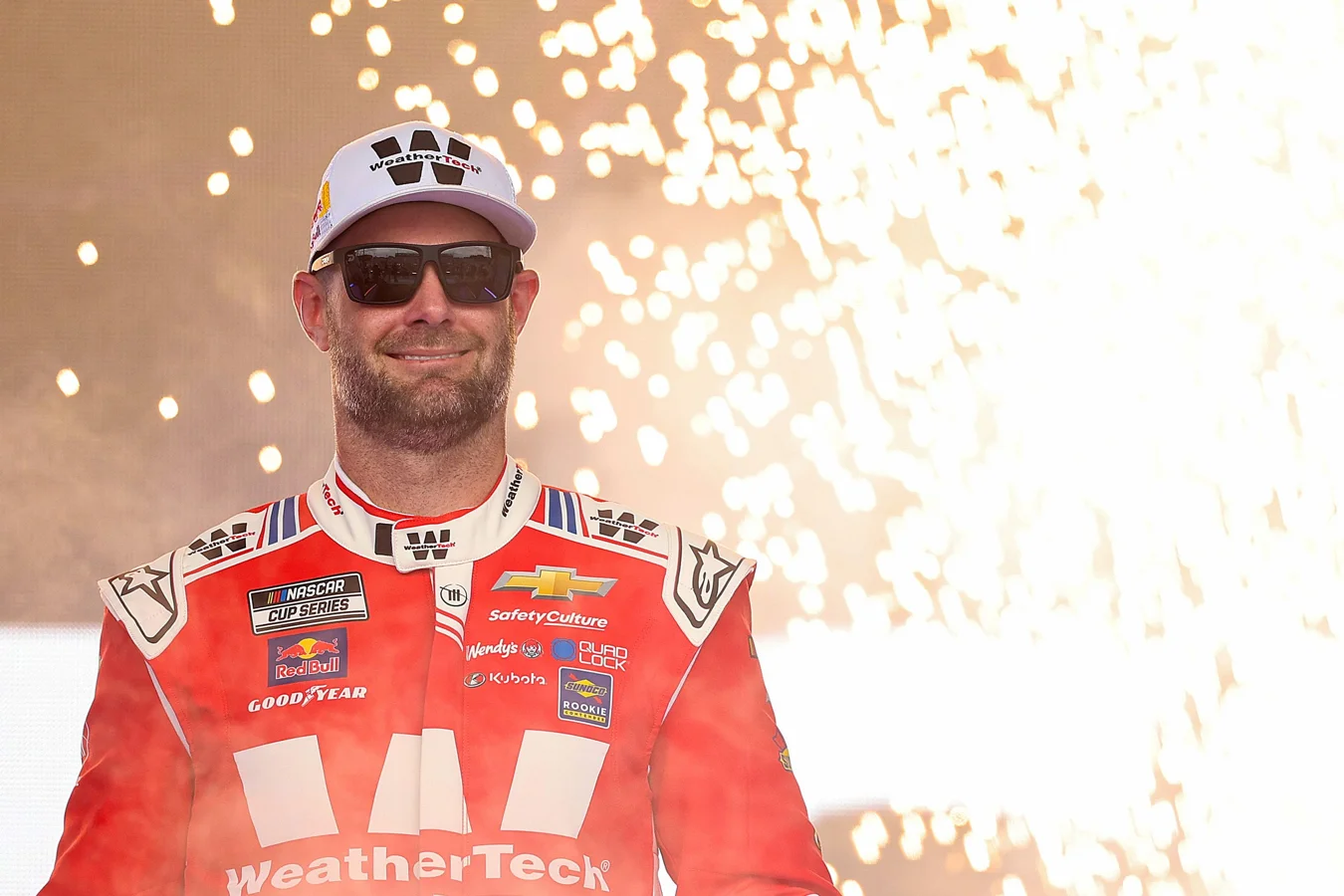
There was a tire carcass on the exit of 6, and there was a yellow flag, or a blue flag they have here,
he stated.
And when they didn’t put it out for two laps, I figured they were just doing everything they could to get the race finished before the lightning hold.
I feel like you never know what’s going to happen here with the yellows. And when they left the tire carcass, I thought they’re going to try and finish this race before weather affects it.
Ware’s Condition and Van Gisbergen’s Focus Beyond the Crash
Thankfully, Cody Ware safely exited his No. 51 car and was examined at the care center with no reported injuries. Meanwhile, van Gisbergen is concentrating on maintaining momentum as the regular season winds down, aiming to build a strong position heading into the playoffs.
He acknowledged the challenges awaiting him in the playoff rounds, citing tracks that have tested him previously while expressing optimism over his team’s progress on oval courses.
Yeah, that first round is going to be very difficult. It’s got one track I haven’t been to, Gateway,
he said.
It’s got my favorite oval in it, Darlington. I love that place. And then Bristol, which is what I’ve found the most difficult track. I feel like I may as well be driving the other way there. It’s so hard. It’s some pretty difficult places for me. But I feel like we’re making still massive leaps on the oval, and there’s still a few weeks left to keep getting better.
Implications for NASCAR and Safety Improvements
Van Gisbergen’s comments highlight ongoing debates about how NASCAR balances race management with driver safety, especially during high-speed accidents. His call for improvements underscores the need for swift and decisive action in critical moments on the track to protect competitors. As the season continues, the pressure will mount on NASCAR officials to refine protocols that can prevent similar episodes from unfolding with delayed responses.
The incident at Chicago also serves as a reminder of the sport’s risks and the importance of continual advances in safety measures. Fans and participants alike will be watching closely to see what changes NASCAR implements ahead of upcoming races and the playoffs.
Our Reader’s Queries
Q. Why did Shane van Gisbergen quit?
A. Shane van Gisbergen believes he made the \x26quot;right choice\x26quot; by leaving Supercars to chase a NASCAR career. This year, he starts his first full season in the NASCAR Xfinity Series with Kaulig Racing after spending 15 years racing in Supercars.
Q. How much did Shane van Gisbergen win in NASCAR?
A. Stewart-Haas Racing is shutting down after 16 years mainly due to the challenge of getting sponsors for a four-car team. Stewart is leaving NASCAR during a time when there is tension between the organization and its teams about the sport’s future.