
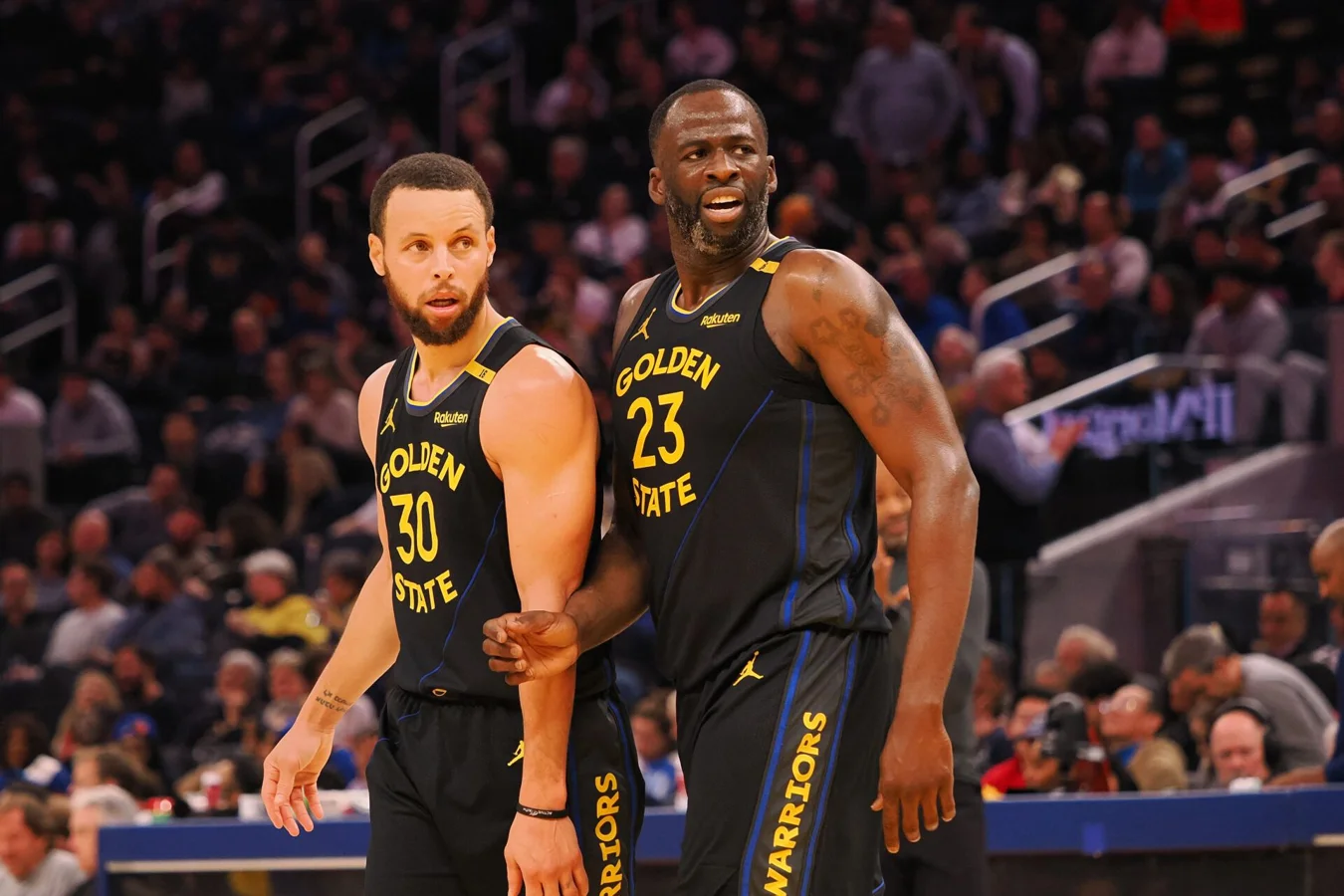

The future of Stephen Curry remains a central focus as the Golden State Warriors navigate their upcoming seasons with urgency and strategic moves. Speaking candidly during a golf tournament in Tahoe, Curry addressed his playing timeline, emphasizing a two-year outlook that aligns with the team’s efforts to strengthen its roster and extend its competitive window.
Turning 37 in March and preparing for his 17th NBA season, Curry’s comments indicate both awareness and pragmatism about the Warriors’ path forward. His statements reflect the importance of planning around his remaining contract and career longevity, which heavily influence the team’s decision-making regarding player acquisitions and overall strategy.
Curry’s Focus on a Two-Year Timeline
Stephen Curry admitted that he does not have a definitive timeline for his retirement, choosing instead to focus on the near term. The four-time NBA champion mentioned,
“I’m just taking it two years at a time. That’s what I have left on my contract right now.”
This statement reveals that Curry’s current contract, which includes a substantial extension through the 2026-27 season, shapes both his outlook and the Warriors’ plans.
Throughout his career, Curry has faced challenges with injuries, particularly evident in a six-season stretch where he played fewer than 70 games each year. However, in the past two seasons, he has appeared in over 70 games, showing resilience but reminding the Warriors how crucial his health and availability are to their success.

The core supporting players, including Jimmy Butler and Draymond Green, who made 55 and 68 appearances last season respectively, are also aging stars. This fact underlines the urgency to build a competitive squad during the remaining peak years of these veterans, especially as time is not on their side.
Warriors Consider Adding Veteran Depth Amid Rumors
As the Warriors look to maintain strength around Curry, they have explored adding experienced players to provide depth and stability. One notable name linked to Golden State is Al Horford, the veteran big man formerly with the Boston Celtics, who is 39 and contemplating retirement. Horford’s potential addition would signal a clear intent from the Warriors to capitalize on what could be the final two seasons of Curry’s career.
When asked about these rumors, Curry expressed respect but remained non-committal, stating,
“He’s a champion, great player. When…if, when all that stuff happens, I’ll talk about it.”
His response suggests that while Horford is valued, no decisions have been finalized.
Adding Horford would also carry durability concerns similar to those surrounding the current veteran roster. Still, it fits a broader pattern of the Warriors aiming to supplement their youth—such as Jonathan Kuminga, who remains in restricted free agency—with seasoned players capable of stepping up in critical moments.
Clear Two-Year Window Shapes Warriors’ Strategy
Beyond Curry’s personal timeline, the Warriors appear to be operating on roughly a two-year horizon for their competitive viability. Multiple contracts within the team align to this timeframe, as both Curry and Jimmy Butler’s deals expire after the 2026-27 season, and Draymond Green holds a player option that year before potentially becoming a free agent.
Looking further ahead, the Warriors have limited contracts locked beyond 2027, with Buddy Hield and Moses Moody currently signed for the 2027-28 season. Meanwhile, Jonathan Kuminga’s free agency status remains unresolved, and Brandin Podziemski is awaiting restricted free agency that summer. These contract situations contribute to an evolving roster picture as the franchise plans for the near future.
The Warriors also face a competitive Western Conference landscape that includes reigning champions Oklahoma City Thunder, contenders like the Denver Nuggets, Los Angeles Lakers, Minnesota Timberwolves, and the new addition of Kevin Durant to the Houston Rockets. This environment demands bold, strategic moves to maintain relevance and maximize Curry’s final years in the league.
Ultimately, the Warriors’ approach reflects awareness that the current roster’s prime years are limited and that the next two seasons will be critical to achieving success while Curry remains the team’s cornerstone.
Our Reader’s Queries
Q. Why does Stephen Curry wear 4?
A. FIBA is the group in charge of Olympic basketball. They used to limit player numbers to between 4 and 15 to help officials manage games more easily. Although FIBA got rid of this rule in 2014, Team USA continues following it in international competitions like the Paris Olympics. This explains why Curry chose or has the number he does.