


Following the success of its film F1: The Movie, Apple is considering obtaining the American broadcast rights for Formula 1, according to the Financial Times. The current rights holder, ESPN, is expected to end its agreement after the 2025 season, opening the door for new contenders to secure the valuable broadcasting contract.
This emerging competition between Apple, Netflix, and Amazon reflects a growing interest in Formula 1’s expansion within the United States, especially as these companies seek to leverage their existing connections to the sport and strengthen their live sports content portfolios.
Current Landscape of US Formula 1 Broadcast Rights
At present, the US broadcast rights for Formula 1 belong to ESPN, a sports network under the Walt Disney Company umbrella. However, ESPN’s contract will expire at the close of the 2025 season. Despite having the option to renew the contract during an exclusivity window earlier this year, ESPN did not renew, allowing other companies to vie for the rights.
With this exclusivity period no longer in effect, Apple has positioned itself as a strong contender to take over the broadcast rights, aiming to enhance its sports offerings and extend its reach in the live sports broadcasting arena.
Apple’s Growing Engagement with Formula 1 Through Film and Streaming
Apple’s interest in Formula 1 is deeply connected to its recent success with F1: The Movie, an Apple Original Films production released this summer. The film stars Brad Pitt and Damson Idris as Formula 1 drivers trying to prevent their APXGP team from being sold to an untrustworthy investor. Globally, the movie has grossed over $293 million at the box office.
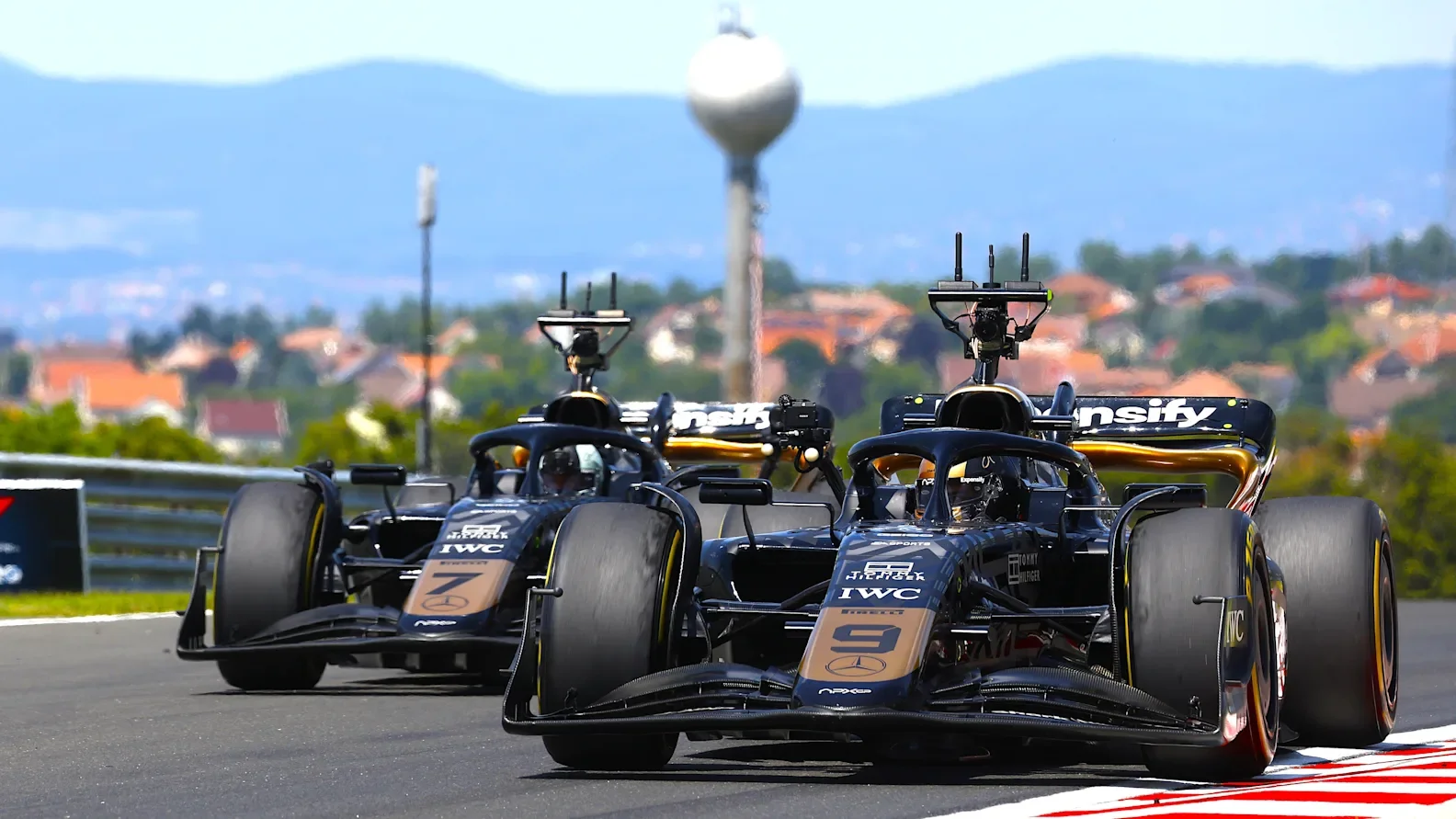
With top producers like Jerry Bruckheimer and director Joseph Kosinski collaborating closely with the sport, the film combines thrilling action with authentic storytelling. Seven-time F1 champion Lewis Hamilton contributed as an executive producer, adding credibility to the project.
Apple’s successful venture into film and its existing sports content—such as Friday Night Baseball from MLB and a 10-year deal for Major League Soccer broadcasts—make Formula 1 a natural addition to their growing live sports portfolio, alongside popular series including Ted Lasso and Severance.
Competitors Also Pursuing US Formula 1 Broadcast Rights
Netflix and Amazon are also active bidders for the Formula 1 broadcasting rights in the United States. Netflix’s connection to the sport is firmly established through its wildly popular F1 docuseries Drive to Survive, which presents race seasons as engaging episodic narratives, attracting new viewers to the sport.
Many fans first became interested in Formula 1 because of Netflix’s series, making it a valuable asset for the streaming giant to keep racing enthusiasts subscribed. On the other hand, Amazon Prime, though having a less direct relationship with Formula 1, has garnered praise for its recent coverage of NASCAR Cup Series races, demonstrating its ability to deliver compelling live sports broadcasts.
Amazon Prime’s interest suggests they recognize Formula 1’s rapid growth in popularity and see acquiring the broadcast rights as a strategic move for expanding their sports content offerings.
Shift Toward Streaming in US Sports Broadcasting
The battle for Formula 1’s US broadcast rights illustrates a broader shift in how Americans consume sports. Traditional cable networks, long dominant in sports media, are seeing viewership decline as more consumers opt for digital streaming platforms. This trend reflects changing viewer habits as people prefer on-demand and internet-based access to live events.
Doug Perlman, CEO of Sports Media Advisors, highlighted this change to Front Office Sports:
“It’s funny, not long ago people were talking about streamers as presenting a challenge in terms of reach. Now the largest streamers are becoming a reach play. It’s crazy how quickly it changed.”
Perlman added,
“They were talking about streamers having to pay a premium for rights because they didn’t offer the same kind of reach. Now we see leadership at leagues and other properties talking about some streamers as a reach play. They have large subscriber bases, many of whom are not in the pay TV universe, so streaming is the only way to reach them.”
Moreover, streaming platforms often provide content accessible across multiple countries. For example, Netflix’s Christmas Day streaming of the Chiefs-Steelers NFL game reached fans in Canada, England, and Germany, showcasing how digital broadcasting expands audience reach beyond national borders.
Formula 1’s Unique Approach to Broadcast Rights and Future Implications
Unlike many sports, Formula 1’s international broadcast rights generate significant revenue through global feed distribution managed by Formula One Management (FOM). This feed is licensed to various broadcasters worldwide. Consequently, a US-based streaming deal—whether with Apple, Netflix, or Amazon—would likely remain exclusive to the American market and not extend internationally.
Should one of the streaming platforms secure the rights, it could signal a new strategy for FOM in navigating international markets via single-territory agreements with major streamers, potentially reshaping how Formula 1 engages global audiences moving forward.
The 2025 season and upcoming rights negotiations will be pivotal in determining whether the sport’s US coverage will transition from traditional cable to a dominant streaming platform, impacting how millions of fans experience Formula 1 in the years ahead.
Our Reader’s Queries
Q. Why is 17 banned in F1?
A. In Formula 1, the number 17 is the only driver number that has been officially retired. This honors Jules Bianchi, a French racer who had a serious accident with #17 during the 2014 Japanese Grand Prix.
Q. Which F1 driver has ADHD?
A. Lewis Hamilton, born in 1985, is a British race car driver in Formula One. He currently drives for Mercedes and has previously raced for McLaren. He openly talks about living with ADHD and explores his wide range of interests and passions.
Q. Is number 69 allowed in F1?
A. Drivers can pick a permanent number between 0 and 99, except for 1. Only the World Drivers’ Champion may use the number 1, but it’s not mandatory.
Q. Which F1 drivers have ADHD?
A. Lewis Hamilton is a British race car driver born in 1985. He races in Formula One with Mercedes and has also driven for McLaren. Lewis openly talks about having ADHD and shares his wide range of interests and hobbies.