
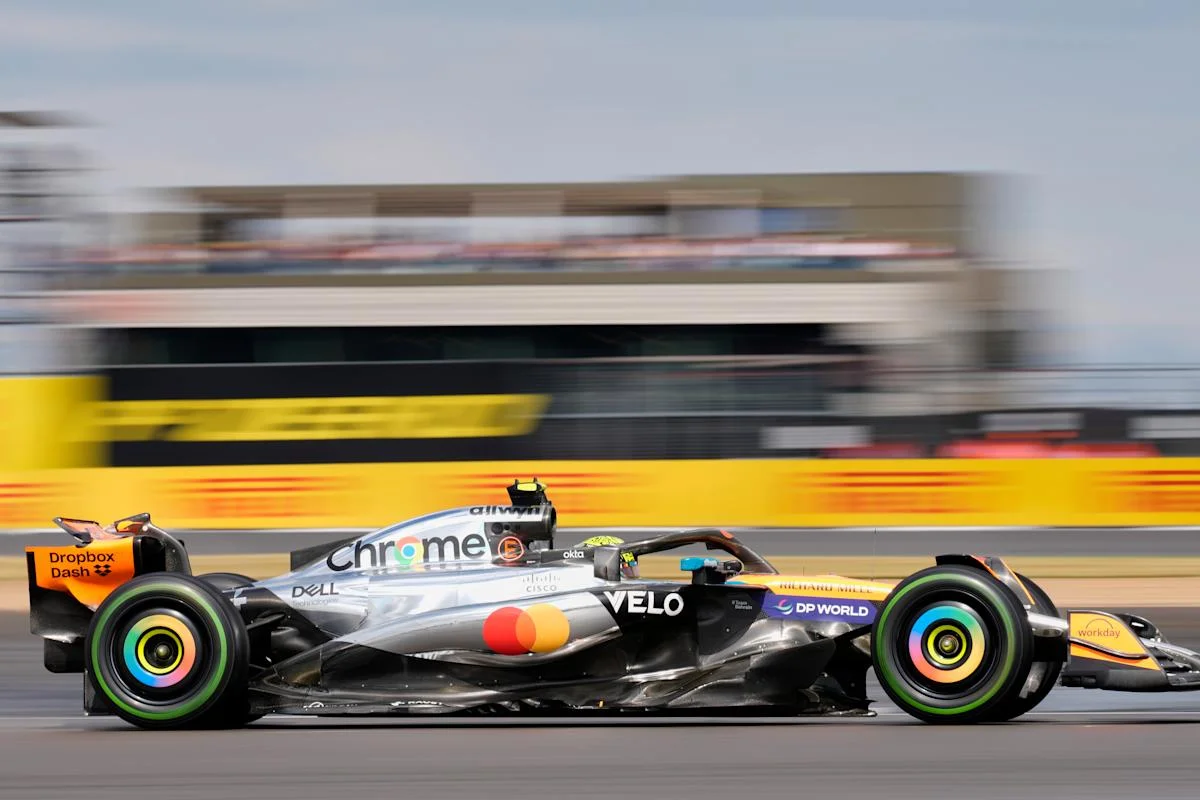

Apple has announced a groundbreaking $150 million annual agreement to obtain exclusive streaming rights for Formula 1 races in the United States, starting in 2026. This significant development disrupts the current sports broadcasting landscape, positioning Apple as a formidable player in live sports streaming and challenging ESPN’s longstanding control of these rights.
ESPN’s Hold on Formula 1 Faces a New Competitor
Currently, Disney-owned ESPN holds the broadcast rights for Formula 1 in the U.S., but Apple’s considerable financial commitment marks a turning point. ESPN is now faced with the challenge of competing against Apple’s expansive resources and strategic interest in expanding its sports streaming presence. This deal signals more than just a contract shift—it points to a broader transformation in how major sports will be delivered to audiences in the years to come.
Apple’s Strategic Expansion into Sports Streaming
Apple’s entry into the Formula 1 market aligns with the company’s recent ventures into sports content, including broadcasts of Major League Soccer and baseball. The timing coincides with the success of the company’s high-profile F1-themed film, further amplifying interest in the sport among potential viewers. Acquiring exclusive rights to Formula 1 represents a substantial escalation of Apple’s ambitions within the competitive sports media environment.
The Rising Appeal and Financial Stakes of Formula 1 in the U.S.
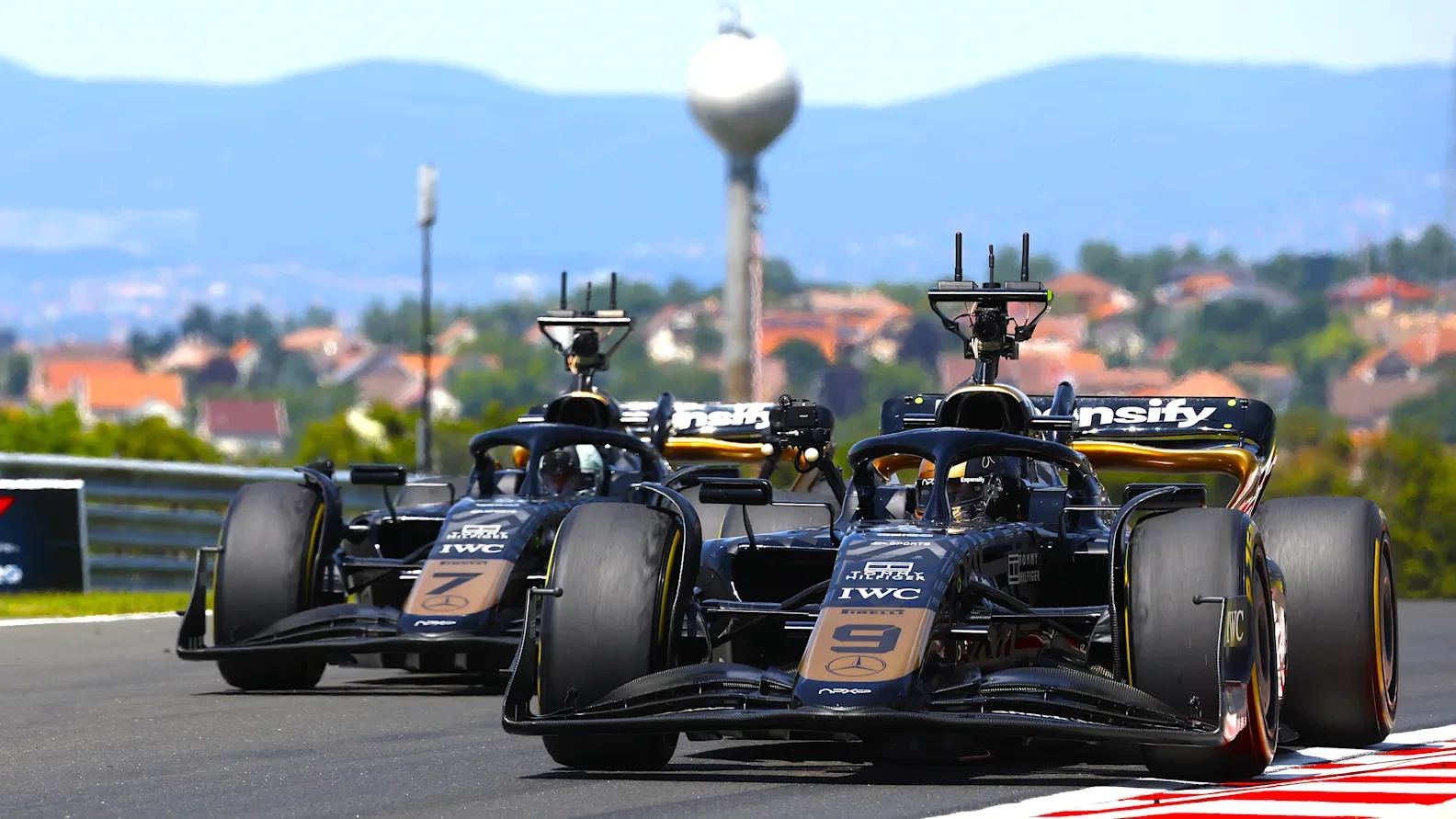
The surge in Formula 1’s popularity can be attributed partly to Netflix’s documentary series “Drive to Survive,” which has introduced a wider American audience to the sport. Liberty Media, which controls Formula 1’s media rights, has valued U.S. rights in the range of $150 million to $180 million annually. Despite this growing enthusiasm globally, Formula 1’s U.S. viewership remains at a steady rate of around 1.2 million viewers per race, indicating room for growth within the market.
The Implications of Apple’s Exclusive Streaming Deal
The ongoing negotiations represent a critical juncture that could redefine the future of Formula 1 broadcasting in the U.S. Apple taking over as the primary streaming platform implies significant changes for fans and the broader industry. This deal not only signifies a major shift for both companies involved but also hints at evolving consumption habits for sports content, potentially influencing the direction of live sports media moving forward.
“Apple’s entered the ring, and they’re not messing around. In a move that’s turning heads across the media world, Apple has put down an eye-popping $150 million annually to snag the exclusive rights to stream Formula 1 races in the U.S., starting in 2026.” —Unnamed commentator
“This tech behemoth—it’s like they’re saying, We’re here to play. And honestly? It’s about time someone shook things up.” —Unnamed commentator
“Disney-owned ESPN holds the current rights. But with a bid like Apple’s on the table? ESPN is struggling just to keep pace with that kind of spending power.” —Unnamed commentator
“Apple’s timing couldn’t be better either—not surprising given their recent success with their blockbuster ‘F1’ movie.” —Unnamed commentator
“If you’ve seen Netflix’s ‘Drive to Survive’, you’ll know F1’s popularity has soared.” —Unnamed commentator
“As these talks heat up—and believe me when I say it’s getting intense—what happens next could reshape how we watch racing stateside forever.” —Unnamed commentator
“Imagine Apple taking over as your go-to for all things F1! We’re talking big changes folks; major implications looming large over both companies as they duel for one of sport’s crown jewels—and perhaps its future as well.” —Unnamed commentator
Our Reader’s Queries
Q. Why is 17 banned in F1?
A. Number 17 is the sole driver number in Formula 1 to be officially retired. This was done to honor Jules Bianchi. The French racer was using this number when he experienced a tragic accident at the 2014 Japanese Grand Prix.
Q. Which F1 driver has ADHD?
A. Lewis Hamilton, born in 1985, is a British race car driver in Formula One. He races for Mercedes and has previously raced for McLaren. Hamilton openly talks about his experiences with ADHD and shares his various interests and passions.
Q. Is number 69 allowed in F1?
A. Drivers can pick their own permanent numbers between 0 and 99, but not the number 1. Only the World Drivers’ Champion can decide to use number 1, but they don’t have to.
Q. Which F1 drivers have ADHD?
A. Lewis Hamilton, whose full name is Sir Lewis Carl Davidson Hamilton, was born in 1985. He is a British race car driver currently in Formula One, racing for Mercedes. Previously, he raced for McLaren. Hamilton openly talks about living with ADHD and shares his wide range of interests and hobbies.