


Caitlin Clark’s basketball rise has been extraordinary, setting new records and redefining college basketball over her four seasons at Iowa. Under the guidance of coach Lisa Bluder, Clark not only developed her skills but also embraced key mental strategies inspired by Michael Jordan’s journey, helping shape her into one of the greatest players in NCAA history.
The Foundation of Caitlin Clark’s College Success under Lisa Bluder’s Coaching
Caitlin Clark arrived in college with immense talent, but it was Lisa Bluder’s thoughtful approach that created an environment for Clark to thrive. Bluder designed a system tailored specifically for Clark’s strengths, recognizing that an exceptional player requires unique leadership. This individualized strategy allowed Clark to flourish, breaking multiple NCAA records by the time she graduated, including scoring 3,951 points—the highest ever—along with 548 three-pointers and 1,144 assists, placing her among the all-time leaders in several key categories.
Bluder credits much of Clark’s development to lessons drawn from Phil Jackson’s revered 1995 book, Sacred Hoops: Spiritual Lessons of a Hardwood Warrior. By revisiting Jackson’s philosophies, Bluder found parallels between managing a young Clark and mentoring Michael Jordan early in his career. She shared with Clark passages from the book that addressed key challenges, such as handling pressure and leadership dynamics, turning those lessons into homework during travel and beyond.
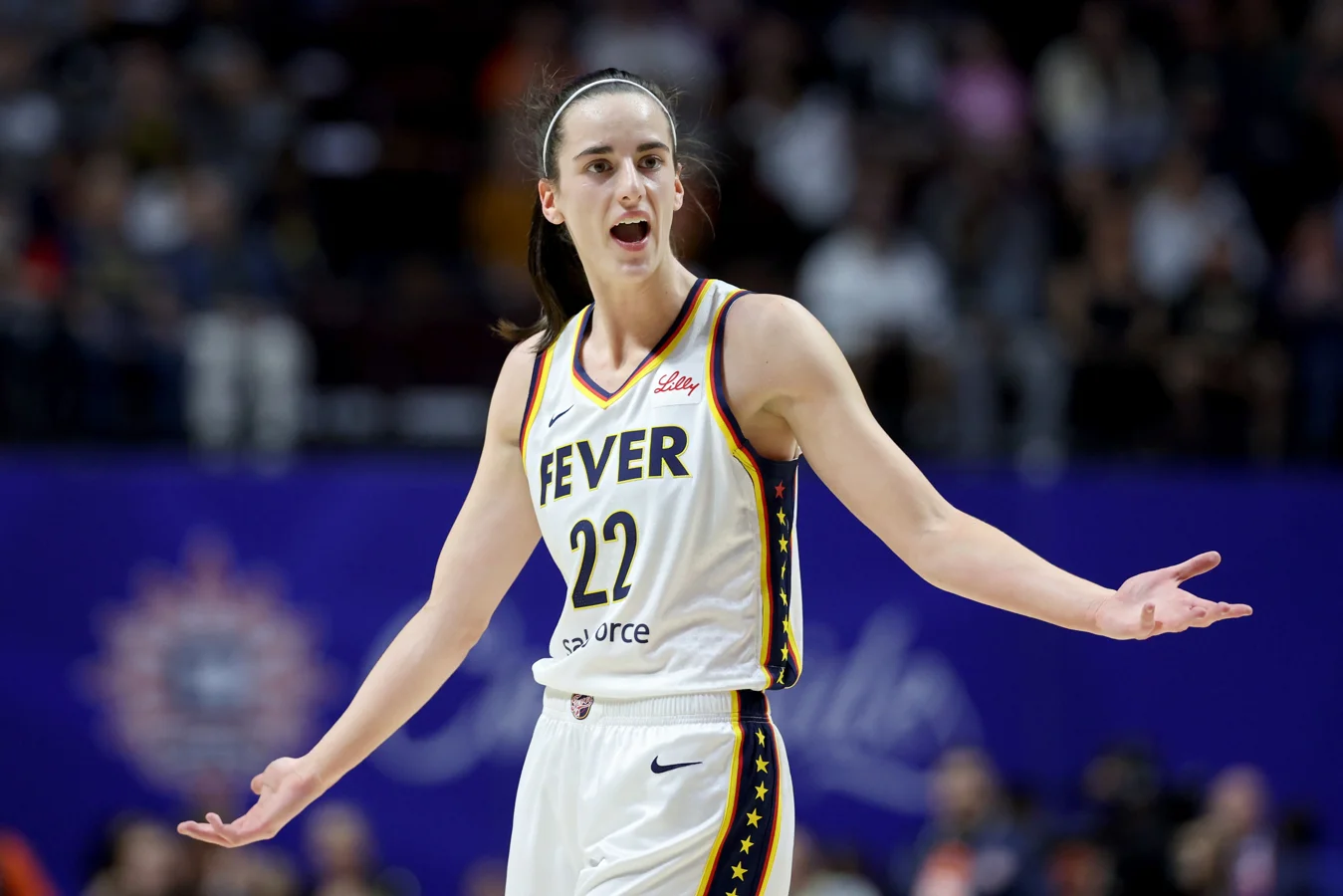
The things that Michael Jordan had, that Phil had to help Michael with, were some of the same things that I feel like I had to help Caitlin with,
Bluder said.
Adapting Michael Jordan’s Leadership Lessons for Clark’s Growth
Bluder saw in Clark’s journey echoes of Jordan’s early struggles, particularly regarding self-imposed pressure and the challenge of blending individual brilliance into a cohesive team effort. Clark’s intensity often clashed with teammates adjusting to her level of competitiveness, leading to frustrations during practice and game situations. Bluder tackled these issues using Jackson’s teachings, encouraging Clark to balance her drive with team unity.
I want you to read this portion here,
Bluder often instructed Clark as she highlighted specific parts of the book relevant to Clark’s current obstacles.
Clark’s willingness to learn from these lessons, despite her natural talent and strong personality, transformed her mindset. She was known for preferring to do things herself rather than rely on others, an attitude reminiscent of Jordan’s competitiveness. However, guided by Bluder’s mentorship, Clark began embracing her role as a team leader rather than merely a lone star, substantially improving her assists and overall impact on her team’s success.
I had expectations of them and they weren’t meeting them,
Clark recalled about her early frustrations with teammates. This tension highlighted the transition from individual brilliance to collaborative play, a growth area Bluder worked to nurture.
How Focusing on Teamwork Elevated Clark’s On-Court Performance
Lisa Bluder functioned much like Phil Jackson, balancing the development of a once solitary phenom with the building of a strong, championship-level team. She accepted Clark’s uniqueness but guided her to become the heart and soul of the Iowa Hawkeyes. This approach mirrored the Chicago Bulls’ early years under Doug Collins, where Jordan was the focal point, but evolved under Jackson’s leadership into a more team-oriented model without compromising individual excellence.
Clark’s statistics reflected this evolution, as she grew from averaging 7.9 assists per game in her freshman year, to 8.6 assists in her senior season. Her points per game followed a similar upward trend. More importantly, the team’s achievements improved dramatically: after only reaching the NCAA tournament’s round of 16 in Clark’s first year, they won a regular season champion title once, secured the conference tournament championship three times, and advanced to the NCAA finals twice.
Instilling Calm and Control: Bluder’s Approach to Managing Intensity
One crucial lesson that Lisa Bluder imparted to Clark was learning that unbridled aggression isn’t always the answer. Bluder emphasized the importance of channeling Clark’s intense competitiveness with control and poise, a strategy deriving from Jackson’s Zen Master philosophy. This helped Clark mature not just as a player but also as a leader on and off the court, managing pressure constructively while elevating her team’s performance.
Through patience and persistence, Bluder shaped Clark’s mindset to meet the demands of high-level college basketball, balancing her prodigious scoring and playmaking with emotional intelligence and tactical awareness. This holistic development was key to Clark’s rise, demonstrating that a uniquely talented player can blend greatness with teamwork.
In a sport where individual talent often clashes with collective goals, Lisa Bluder’s mentorship of Caitlin Clark stands as a remarkable example of how coaching wisdom and mental strategies can unlock a player’s full potential. By channeling lessons from basketball legends like Michael Jordan and Phil Jackson, Bluder cultivated not only an elite scorer but also a team leader destined to leave a lasting legacy.
Our Reader’s Queries
Q. Why was Caitlin Clark sitting with Taylor Swift?
A. Clark was spotted in the same private box as Swift at Arrowhead Stadium. This was during the Chiefs’ playoff match against the Houston Texans on Saturday. It marked the first occasion they attended a game together. According to Clark, Swift invited her at an earlier point in the season.
Q. Why is Taylor Swift sitting with Caitlin Clark?
A. Taylor Swift was spotted sitting beside WNBA player Caitlin Clark during the Chiefs’ game against the Houston Texans. Clark was in Swift’s suite shortly after the Indiana Fever athlete announced that the singer asked her to attend a Chiefs game with her.