
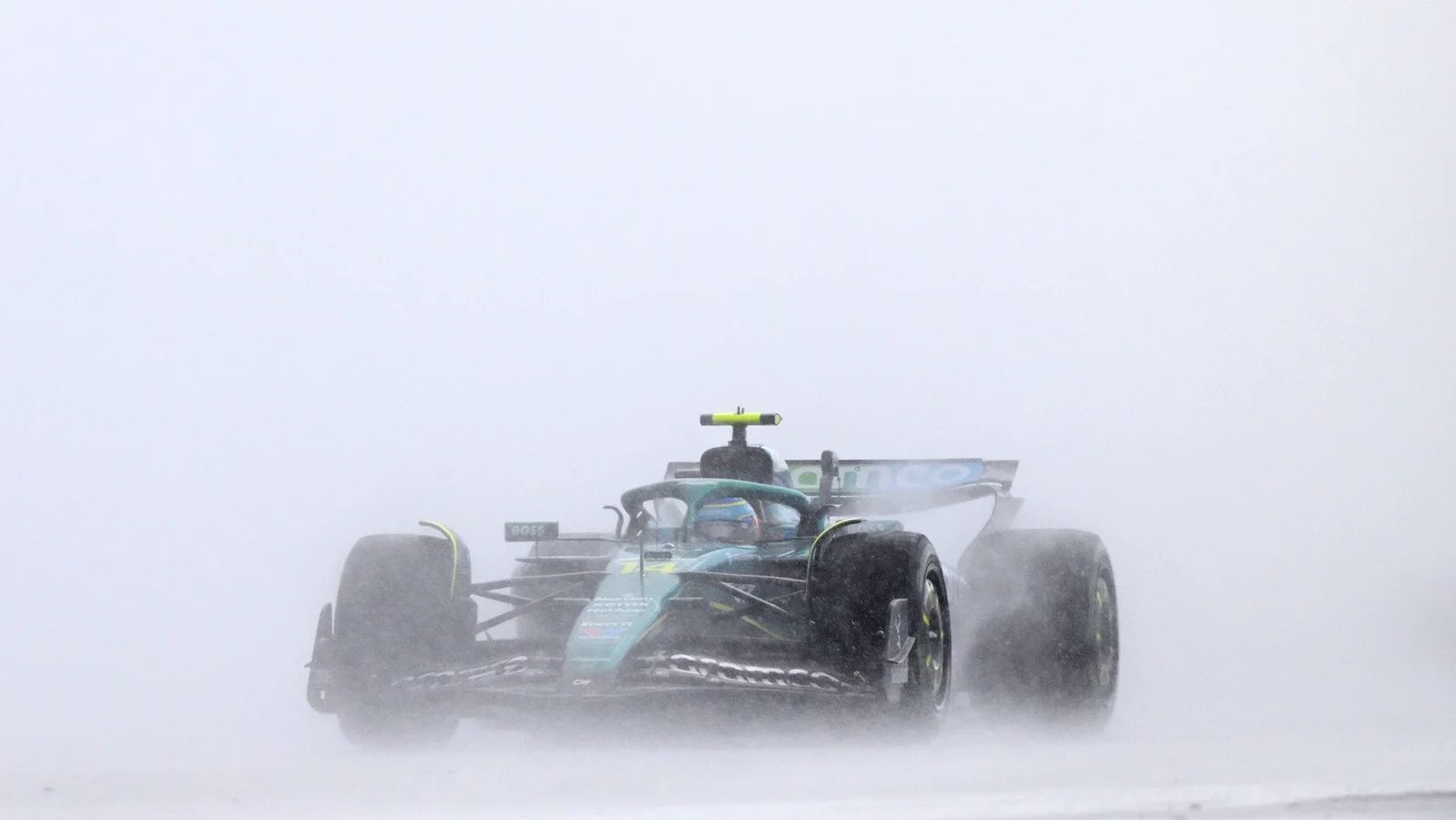

Fernando Alonso, the seasoned Spanish driver with a record 413 Grand Prix starts, has openly dismissed the long-held belief that wet races showcase a driver’s supreme skill. His blunt assertion that the popular notion of a fearless driver conquering slippery conditions is “bullshit” has stirred significant debate in the Formula 1 community. Alonso’s comments come amid ongoing discussions over the evolving role of driver skill versus technology in determining race outcomes, specifically during rainy conditions.
The Rising Power of Data in Modern Formula 1 Racing
Alonso emphasized that today’s Formula 1 no longer centers around a dramatic duel between man and adverse weather, but is increasingly about the analysis and use of data. As he explained to reporters,
You cannot think of racing now as a duel between man and water,
and added,
Without tire temperatures, braking traces, competitor splits-you simply miss the picture.
These statements underscore his belief that success on wet tracks depends heavily on the wealth of technical information available to teams and drivers, not just raw bravery or instinct.
His remarks followed a turbulent British Grand Prix where variables such as intermittent rain, sunshine, and changing track surfaces created complex conditions. Alonso finished ninth in the race, while his teammate Lance Stroll, who had been in contention for a podium, ended up seventh. Both results were shaped by data-driven decisions around strategy and car setup rather than mere driver improvisation.
The Intersection of Engineering and Driver Ability on Rain-Soaked Circuits
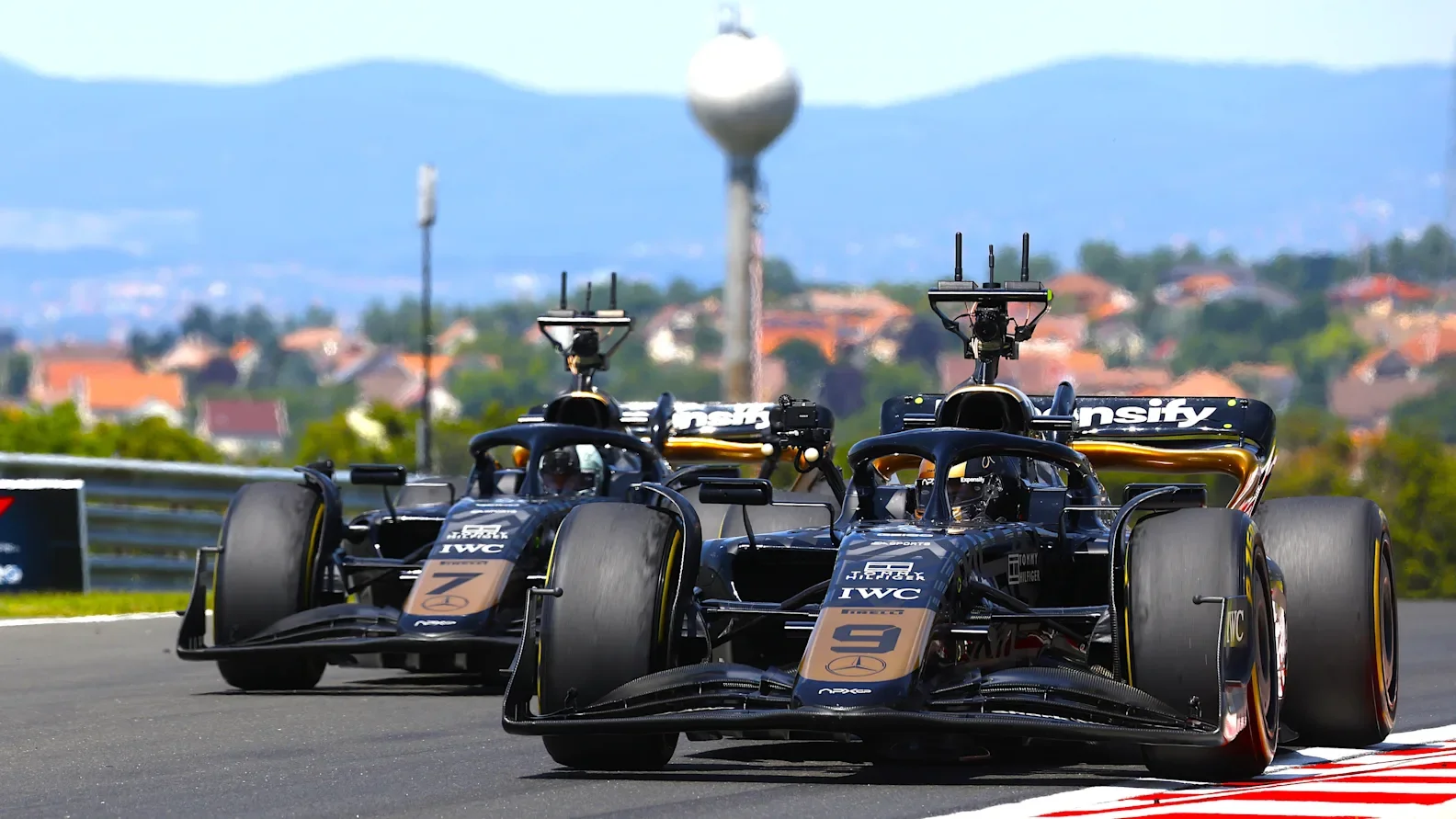
While Alonso questions the over-glorification of individual heroism in wet races, he does not dismiss the importance of driver skill entirely. Instead, he draws attention to the necessary harmony between advanced vehicle engineering and human control. In wet conditions where every millisecond counts, the extensive telemetry and real-time feedback from various sensors heavily influence outcomes, reducing the space for purely instinctive performance.
This nuanced argument raises critical questions about the evolving dynamic in Formula 1. With technology progressing rapidly, how much sway does the driver retain when technology and data acquisition dominate the decision-making process during challenging weather? This tension between racing tradition and modern innovation sets the stage for ongoing debate among spectators, experts, and competitors alike.
Fernando Alonso’s Career Highlights and Enduring Impact on Motorsport
Born in Oviedo, Asturias, Fernando Alonso Díaz began his motorsport journey in karting at the age of three, winning multiple Spanish karting championships from 1994 to 1997 and becoming world karting champion in 1996. He debuted in Formula 1 in 2001 with Minardi before becoming a test and then main driver for Renault. He won back-to-back World Drivers’ Championships in 2005 and 2006, cementing his status as one of the sport’s premier talents at just 24 years old.
His career includes stints with top teams such as McLaren, Ferrari, and Renault, with notable achievements including 32 Grand Prix victories and several near-championship finishes, narrowly missing titles in 2010, 2012, and 2013. Beyond F1, Alonso has succeeded in endurance racing, winning the 2018 24 Hours of Le Mans alongside Kazuki Nakajima and Sébastien Buemi, while competing in prestigious events like the Indianapolis 500 and the 24 Hours of Daytona.
Continued Relevance and Future Implications of Alonso’s Perspective
Alonso’s critique brings to light the changing face of Formula 1, where driver heroics increasingly share the spotlight with highly sophisticated technical support. As technology and data analysis grow more central, his views provoke reflection on the future identity of the sport. The debate over the balance between man and machine, especially in challenging wet conditions, is likely to influence team strategies, fan expectations, and even regulatory decisions in upcoming seasons.
As spectators and insiders alike grapple with these evolving dynamics, Alonso’s candid perspective serves as a reminder that Formula 1 is no longer just a contest of human courage, but a complex arena where data, engineering, and driver skill must seamlessly integrate to achieve success under any weather circumstance.
Our Reader’s Queries
Q. Why is 17 banned in F1?
A. In Formula 1, the number 17 is the only one to be permanently retired. This honors Jules Bianchi, a French driver who crashed during the 2014 Japanese Grand Prix while using that number.
Q. Which F1 driver has ADHD?
A. Born in 1985, Lewis Hamilton is a British race car driver in Formula One. He races for Mercedes and has previously driven for McLaren. Hamilton openly talks about his experiences with ADHD and shares his various interests and hobbies.
Q. Is number 69 allowed in F1?
A. Drivers can pick any permanent number between 0 and 99, except for 1. Only the World Drivers’ Champion has the option to use number 1 but isn’t obligated to choose it.
Q. What F1 drivers have ADHD?
A. Lewis Hamilton, born in 1985, is a British race car driver who competes in Formula One. He currently races for Mercedes and previously drove for McLaren. Hamilton openly shares his experiences living with ADHD and explores his various interests and hobbies.