
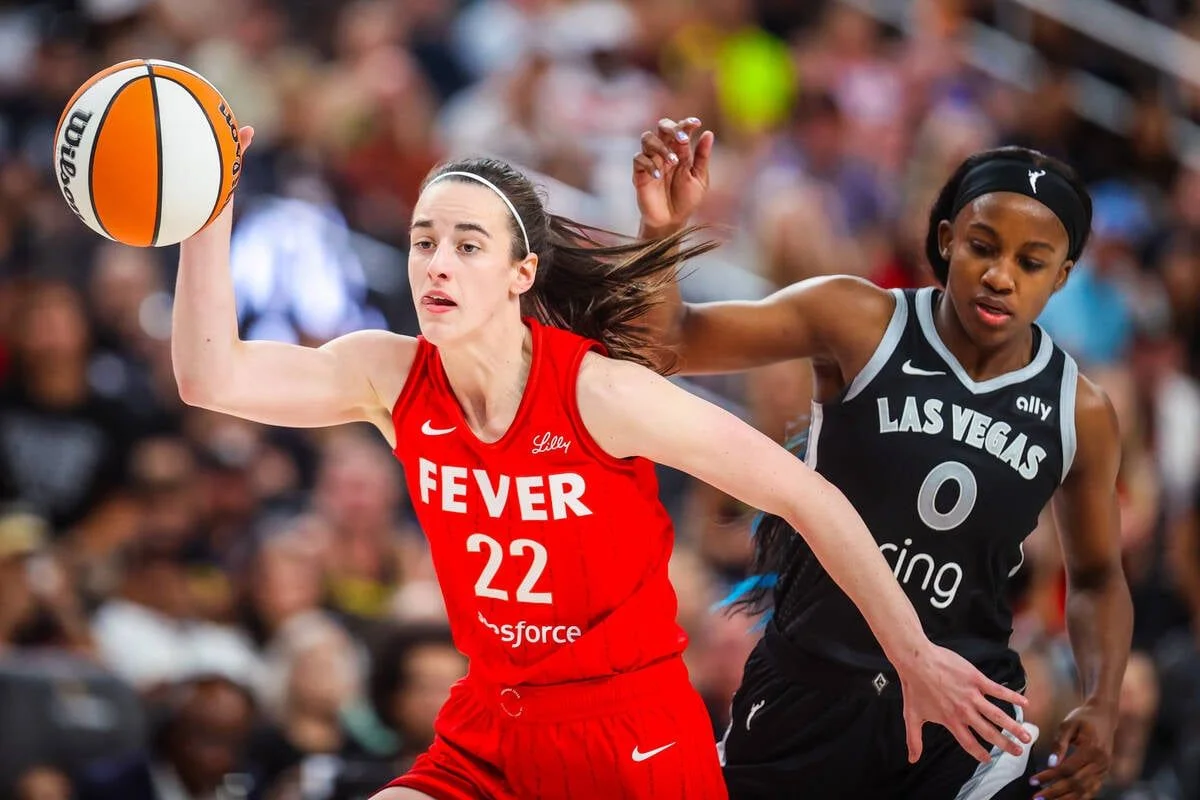

WNBA star Caitlin Clark continues to bring attention to the league’s salary disparities in 2025, spotlighting a growing pay controversy that has unsettled players and fans alike. Despite her rising profile and remarkable on-court achievements with the Indiana Fever, Clark’s reported $78,000 salary remains a focal point in debates about player compensation and league priorities.
Clark’s frustrations were made public during the Commissioner’s Cup final held at the Target Center in Minneapolis, where the Indiana Fever defeated the Minnesota Lynx. After the win, Clark used social media to question the monetary rewards granted to WNBA players, amplifying existing concerns about pay gaps within the league, especially when compared to other professional athletes.
The Stark Reality: How Caitlin Clark’s Earnings Compare Within and Beyond the WNBA
Clark first drew attention to her modest earnings last year when she humorously remarked on the high cost of season tickets during a game. At the time, as a rookie, she reported earning just over $76,000, a figure she highlighted as barely enough to cover basic fan expenses. Fast forward to 2025, she signed a four-year contract valued at $338,056, with her highest annual salary scheduled to reach just under $98,000 in the final year.
This pay scale stands in stark contrast to the NBA, where 2024’s number one draft pick Zaccharie Risacher inked a contract worth $57 million over four years, averaging $14.2 million per year. Such disparities have left many players and observers disillusioned, casting doubt on the WNBA’s commitment to fairly compensate its top talents.
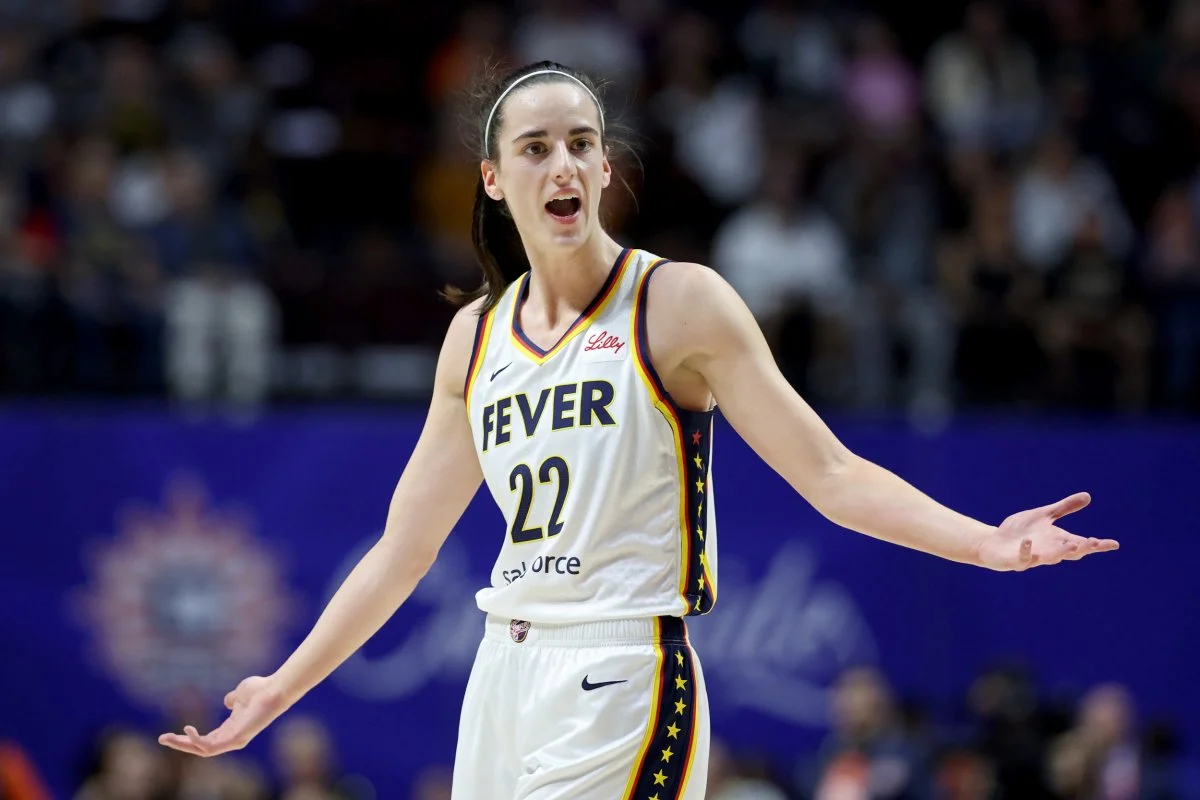
Compounding the salary concerns is the unusual prize structure within the WNBA itself. Clark pointed out that the bonus awarded for winning the Commissioner’s Cup actually surpasses the amount given to players on the team that wins the WNBA championship, a discrepancy that seems illogical to many in the league.
Her appeal during a live Instagram session captured by teammate Sydney Colson illustrated this clearly:
We get more for [winning the Commissioner’s Cup] than you do if you’re a [WNBA] champion. Makes no sense! Someone tell [WNBA commissioner] Cathy [Engelbert] to help us out. Cathy, help us out!
—Caitlin Clark
Players Speak Out on Financial Inequities and League Growth
Gabby Williams, former Chicago Sky and current Seattle Storm forward, vocalized the widespread frustration among players regarding the disconnect between league revenue and individual pay. In an interview with Maria Clifton, Williams underscored that while Clark has become the league’s most influential player, she remains on a salary that many deem unworthy of her impact:
Fans love to talk about the publicity, the money that she’s bringing in, but the W is not even rewarding her. Like, she’s on that rookie contract making I think like 70K.
—Gabby Williams
Williams went further to criticize the overall structure of salaries in the WNBA, lamenting the fact that despite soaring media deals and expansion fees, player pay has yet to reflect this financial success. The WNBA recently secured a groundbreaking 11-year, $2.2 billion media rights agreement with Disney, NBC, and Amazon, averaging around $200 million annually starting next season.
In addition, three new franchises—located in Cleveland, Detroit, and Philadelphia—paid $250 million each in expansion fees, signaling the league’s growing commercial viability. Yet, salary increases remain modest, capped at just 3% per year, tied to revenue projections made when the league was in a far less lucrative position.
The Impact of NIL and College Earnings on Player Decisions
Williams also highlighted the rise of the Name, Image, and Likeness (NIL) era in college sports, noting how many promising players opt to remain in school longer because they can earn more there than as professional rookies in the WNBA. This trend reduces early entry into the league, potentially affecting the talent pipeline and WNBA viewership.
She referenced a notable post from LeBron James, which voiced confusion over why female athletes have to complete four years of college before turning pro:
I’m sitting here after watching the WNBA draft the other day and wondering WHY THE HELL do those young ladies have to stay in school for 4 years before being able to go pro??!!! I’m CONFUSED
—LeBron James
Williams’ response shed light on this dilemma, stating:
I mean the proof was with NILs. As soon as we got marketed, the game all of a sudden grew. Like weird. Weird, as soon as we’re allowed to have marketability and visibility, now all of a sudden, everyone is making money. Interesting how that works, you got to put in money to make money.
—Gabby Williams
Agents and Influencers Demand Change Amidst Rising Player Activism
Caitlin Clark’s agent Erin Kane has not hesitated to confront the pay issue head-on. Kane bluntly questioned whether Clark will ever receive compensation commensurate with her value to the WNBA, drawing attention to the systemic challenges players face in negotiations:
Will Caitlin Clark ever be paid by the WNBA what she’s really worth to that league?
—Erin Kane
Kane’s answer was clear and unambiguous: I don’t think that’s possible. She emphasized that Clark’s situation typifies a broader problem affecting the entire player community, remarking:
She should be recognized for what she has done and what she’s brought to the league from an economic standpoint. It’s as simple as that,
underscoring the need for comprehensive reforms rather than isolated adjustments.
Another prominent voice, Napheesa Collier, co-founder of Unrivaled, highlighted the wage gap through a striking comparison made after winning the largest single-day prize in women’s basketball history:
My entire WNBA salary is what I just got in 30 minutes of playing one-on-one, which is insane to even say,
drawing a stark contrast between earnings in entrepreneurial ventures and the league’s stagnant salaries.
Future Prospects: What Lies Ahead for WNBA Player Compensation?
The standoff between the WNBA Players Association and league officials escalates as negotiations over a new collective bargaining agreement continue. With veteran stars like Breanna Stewart vocalizing dissatisfaction over recent league proposals described by Satou Sabally as a slap in the face, tensions have reached a boiling point.
As the WNBA continues its rapid growth, fueled by significant media deals and lucrative expansion fees, pressure intensifies for the league to modernize its compensation structure. The upcoming meeting between the league and the WNBPA during the All-Star game is being closely watched as a potential turning point.
Many in the basketball community wonder if the league will finally align player salaries with the substantial revenue players help generate or if prolonged disputes could lead to disruptions such as lockouts. The growing activism among players, combined with public scrutiny, signals that the WNBA’s current pay practices may no longer be sustainable if the league hopes to retain its top stars and sustain its momentum.
Our Reader’s Queries
Q. Why was Caitlin Clark sitting with Taylor Swift?
A. Clark was spotted in the same suite as Swift at Arrowhead Stadium during the Chiefs’ playoff game against the Houston Texans on Saturday. This was the first time they attended a game together. Clark says she was invited by Swift to join earlier in the season.
Q. Why is Taylor Swift sitting with Caitlin Clark?
A. Taylor Swift attended the Chiefs’ home game against the Houston Texans, where she sat with WNBA player Caitlin Clark. Clark had recently mentioned that the singer invited her to watch a Chiefs game in the suite.