
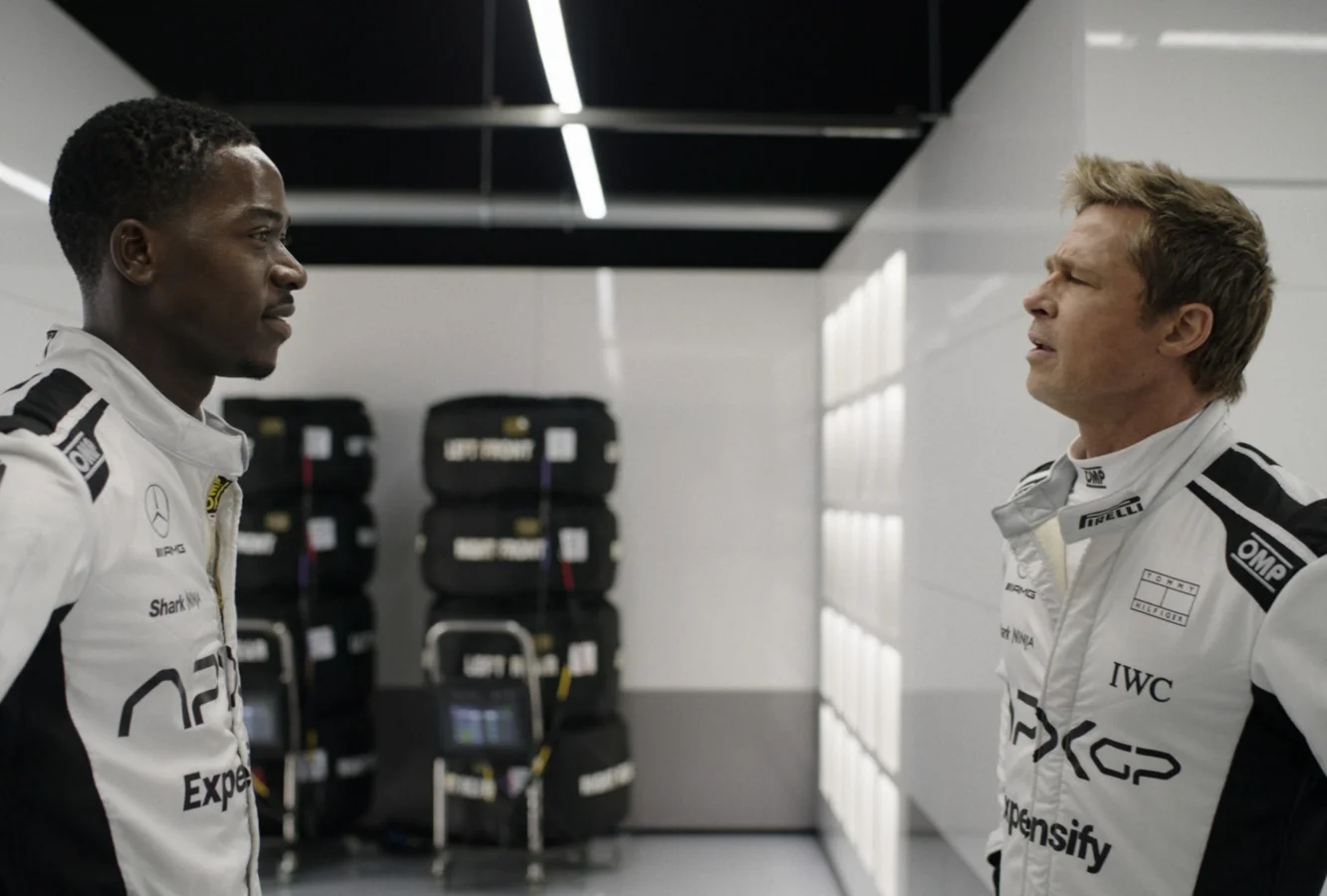

Brad Pitt’s latest Formula 1 movie is capturing attention far beyond traditional racing circles, and NASCAR veteran Kenny Wallace explains why. According to Wallace, the film’s widespread success stems from its ability to connect with audiences who aren’t necessarily racing enthusiasts, marking a fresh approach in motorsports cinema.
Wallace shared his thoughts openly on social media, pointing out that the film’s appeal transcends the sport itself.
This Formula One, they really have gotten into the psyche of these kids… The reason that F1 movie is doing so good is you don’t have to be a racing fan (to enjoy it),
he said on X. The former driver believes the filmmakers understood their audience deeply by not overwhelming viewers with racing specifics but by creating a fun, engaging narrative that appeals especially to younger viewers.
Beyond attracting new fans, Wallace highlights the film’s strong dramatic elements as a major factor in its success. The movie succeeds not just as a racing story but as a compelling drama, hooking even those without prior interest in motorsports. His enthusiasm was evident after watching the film, when he commented,
This is a GREAT movie. Even if you ARE NOT a race fan @F1Movie,
reflecting his genuine praise for the filmmakers’ achievement.
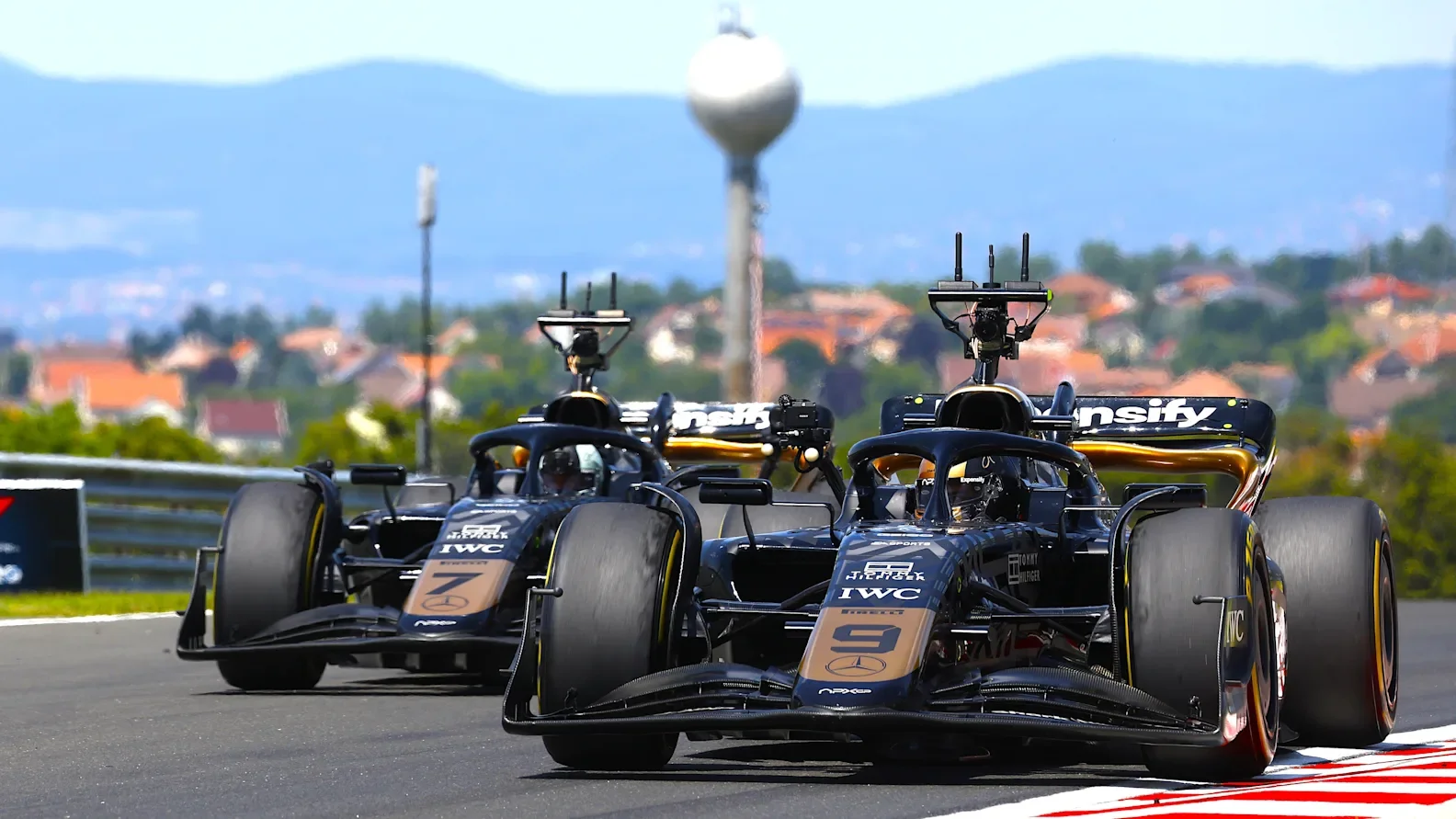
Key Factors Driving the Film’s Mainstream Breakthrough
Directed by Joseph Kosinski, known for ‘Top Gun: Maverick,’ the film stars Brad Pitt as Sonny Hayes, a former F1 champion who returns to revive a struggling racing team. The cast includes Damson Idris and features real Formula 1 drivers Lewis Hamilton and Max Verstappen in cameo appearances. Filming took place during authentic race weekends at venues like Silverstone, lending the movie an immersive and genuine racing atmosphere.
The film’s box office performance supports Wallace’s observations. It grossed $293 million worldwide shortly after release, becoming Apple’s highest-ever box office hit. IMAX screenings alone contributed $60 million, demonstrating a strong audience desire for the cinematic motorsport experience.
The movie balances thrilling race visuals and a powerful soundtrack that satisfy passionate Formula 1 fans, while the human story and accessible dialogue bring in newcomers. Wallace, a dedicated NASCAR figure, acknowledges the exceptional effort behind the film’s widespread acclaim, underscoring how it has resonated even with those outside the F1 community.
Speculation now turns to the future of racing films, with fans wondering if a sequel to ‘Days of Thunder’ could match or even surpass this success within the NASCAR realm.
What This Success Means for Motorsports Films Going Forward
The breakthrough of Brad Pitt’s F1 movie signals a new way for motorsports films to reach large audiences by blending authentic racing action with engaging storytelling. By appealing to diverse viewers, including younger generations unfamiliar with the sport, the film has set a new standard for mainstream success in this genre.
Given its record-breaking box office results and wide critical acclaim, future racing movies may follow a similar path, focusing on human drama over technical detail to attract a broader audience. Kenny Wallace’s endorsement further validates the film’s quality and potential influence, bridging NASCAR fans with the excitement of Formula 1.
Overall, this movie’s success highlights how motorsport stories can transcend their niche origins and win mainstream popularity, potentially reshaping how these films are made and marketed going forward.
Our Reader’s Queries
Q. Why is 17 banned in F1?
A. The number 17 is the only Formula 1 driver number that has been permanently retired. This was done to honor Jules Bianchi, a French racer. Bianchi had the number 17 on his car when he had a serious accident at the 2014 Japanese Grand Prix.
Q. Which F1 driver has ADHD?
A. Lewis Hamilton, born in 1985, is a British racer in Formula One, currently with Mercedes and formerly with McLaren. He openly shares his experiences with ADHD and talks about his varied hobbies and interests.
Q. Is number 69 allowed in F1?
A. Drivers can pick a permanent number from 0 to 99, but not 1. Only the World Drivers’ Champion can decide to use number 1, but it’s their choice.
Q. What F1 drivers have ADHD?
A. Lewis Hamilton, born in 1985, is a British race car driver in Formula One. He races for Mercedes and has also raced for McLaren. Hamilton openly shares his experiences with ADHD and talks about his various interests and passions.