
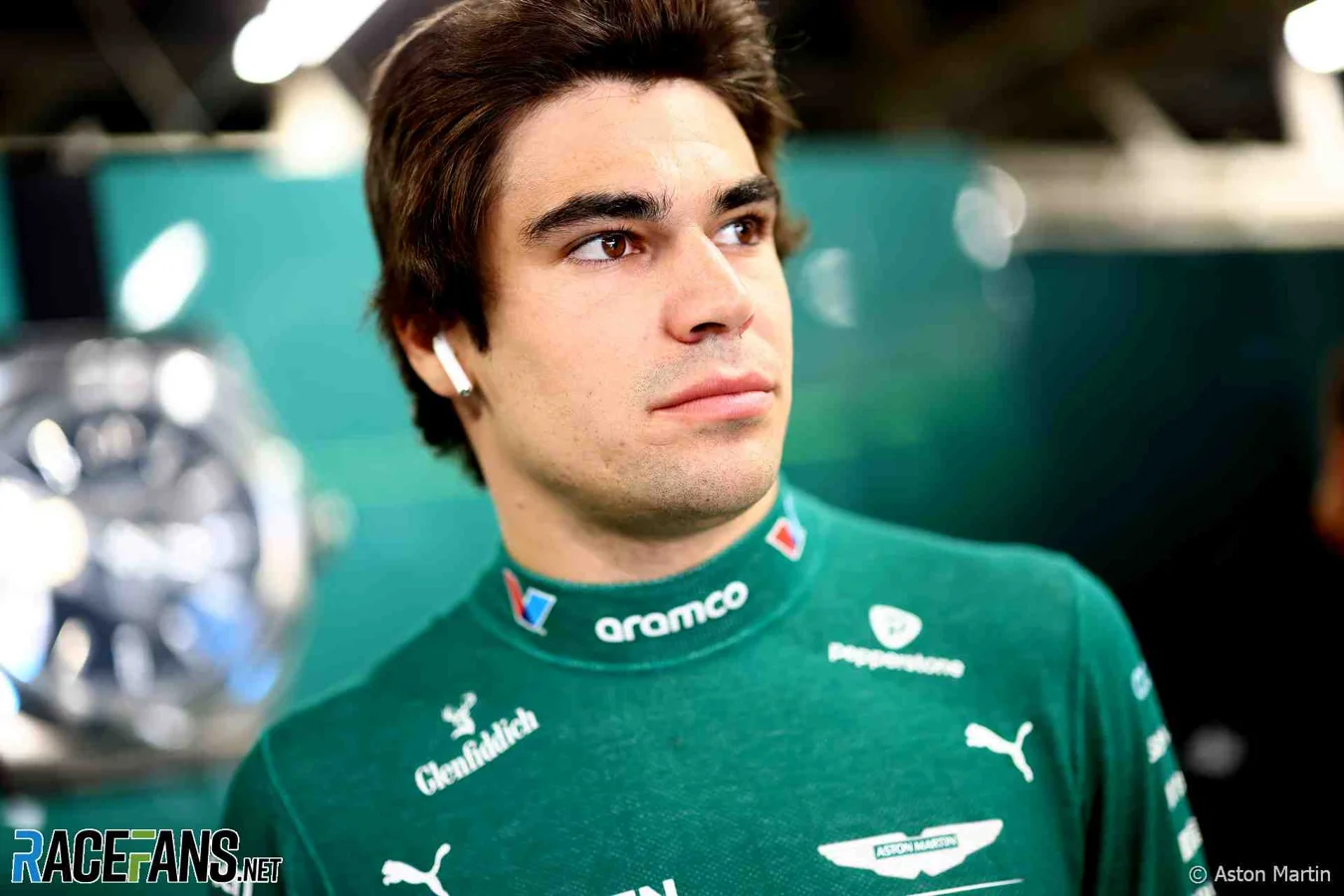

Lance Stroll, the Canadian-Belgian racing driver competing with the Aston Martin Aramco Cognizant F1 Team, has ignited debate by criticizing the planned 2026 Formula 1 regulations. Speaking during the recent British Grand Prix, he expressed concern that the upcoming cars prioritize electric assistance but compromise the thrilling racing experience that defines the sport.
Stroll highlighted that the new vehicles, burdened by heavier hybrid power units and reduced aerodynamic downforce, risk diluting the adrenaline and speed that have long attracted fans and competitors. His candid remarks reflect wider unease within the paddock about the balance between innovation and maintaining the sport’s iconic excitement.
Technical Changes Fuel Unease Among Drivers and Fans
The 2026 rules introduce a major shift toward sustainable technology, incorporating advanced electric-assist systems that add weight and reduce cornering abilities. This change aims to improve energy efficiency and usher in a more environmentally conscious era. However, the trade-off, according to Stroll, is a loss of the raw performance and edge-of-control excitement that fans cherish.
“It’s just a bit of a shame—Formula 1’s just taking that path of electric energy, and we’ve had to shed all the downforce off the cars to support the battery power,”
Stroll explained, summarizing the frustration felt by many drivers who grew up admiring the sport’s high-speed intensity. —Lance Stroll, F1 Driver
Teams are already experimenting with hybrid systems that promise efficiency gains but must carefully balance these with the driving dynamics that define the Formula 1 spectacle. The evolving technologies set the stage for a significant shift, but also raise questions about how far performance and fan engagement might be affected.
The Paddock’s Divide: Tradition Versus Innovation
Within the Formula 1 community, opinions are sharply divided. Purists cling to the visceral thrill of internal combustion engines and aerodynamic grip, wary of losing the sport’s traditional identity. Others emphasize the necessity of sustainability, advocating F1 as a platform for pioneering renewable and hybrid technologies.
Lawrence Stroll, owner of the Aston Martin team and father to Lance, has also been involved in navigating this transformation, which affects not just engineering but sponsors, governing bodies, and the global fanbase. The clash over these priorities highlights the sport’s broader challenge: evolving with environmental imperatives while preserving the core excitement integral to its fame and success.
Impact on Championship and Future of Formula 1 Racing
Lance Stroll’s outspoken comments have brought the debate from private conversations into the public arena, forcing all stakeholders to confront the question of what Formula 1 will represent in the years ahead. As teams ramp up preparations for the 2026 regulations, the racing world watches closely to see if the sport can sustain its intense competition amid sweeping changes.
With Stroll currently holding a strong position in the championship—amassing eight podiums, three wins, and two pole positions this season—the unfolding transition will also have direct implications on driver strategies and team performance. How the new cars handle on the track will influence race outcomes, fan reactions, and ultimately, Formula 1’s legacy.
The next few years will be pivotal as Formula 1 strives to harmonize technological progress with the exhilarating spectacle that has defined its global appeal. The decisions made now will resonate long after the engines roar once again in 2026 and beyond, marking a new chapter for motorsport.
Our Reader’s Queries
Q. Why is 17 banned in F1?
A. In Formula 1, only car number 17 has been officially retired. This honors Jules Bianchi, a French driver who had a serious accident in the 2014 Japanese Grand Prix while using this number.
Q. Which F1 driver has ADHD?
A. Born in 1985, a British driver named Lewis Hamilton races in Formula One. He competes for Mercedes but has also raced with McLaren. Hamilton openly shares his experiences with ADHD and talks about his various interests and passions.
Q. Is number 69 allowed in F1?
A. Drivers can pick their own permanent numbers between 0 and 99, except for 1. Only the current World Champion may use the number 1, but it is not mandatory.
Q. What F1 drivers have ADHD?
A. Lewis Hamilton, a British race car driver born in 1985, competes in Formula One. He currently races for Mercedes and has also raced for McLaren. He openly talks about his experiences with ADHD and shares his wide-ranging interests and hobbies.