
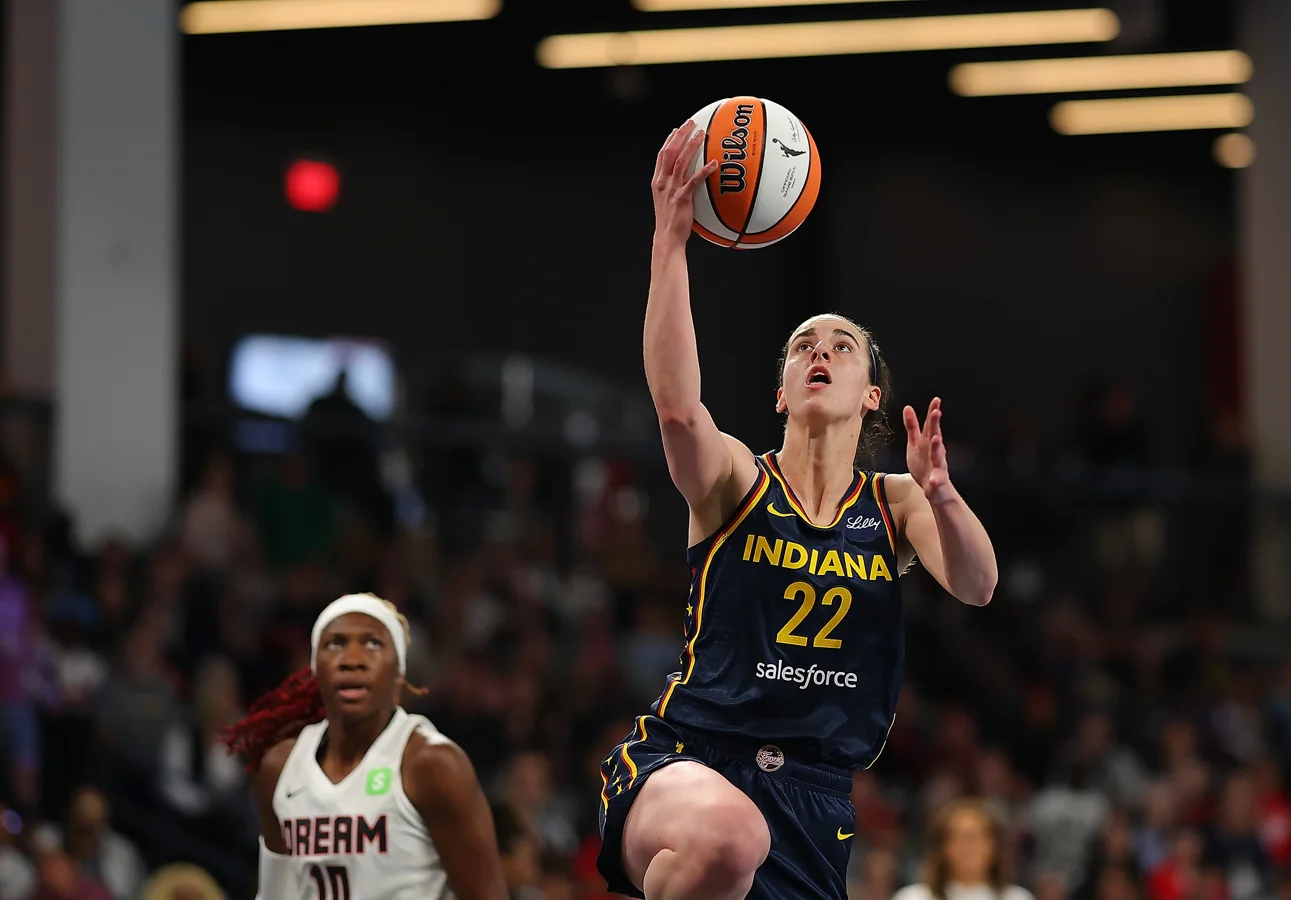

Caitlin Clark’s rapid ascent has created a noticeable split within the WNBA, with some players embracing her as a new star while others appear unsettled by her soaring popularity. Since her transition from college basketball to the Indiana Fever, Clark has significantly increased the league’s attention, attracting more viewers and raising fan enthusiasm. However, this spotlight has also caused friction among her peers, leading to a controversy surrounding her status.
Although Clark led the fan voting for the All-Star selection, she garnered only a handful of votes from fellow WNBA players. This gap reflects underlying tensions and suggests some players may feel overshadowed or envious of her rising profile within the league.
Why Nancy Lieberman Stands Firm Behind Caitlin Clark
Nancy Lieberman, a trailblazer in women’s basketball and a former WNBA player herself, has stepped forward to defend Clark during this controversy. Lieberman, who played two seasons in the league at an older age, sees parallels between Clarke’s impact today and her own pioneering role in establishing the WNBA.
In an exclusive conversation with TMZ Sports, Lieberman addressed the criticism directed at Clark and urged players to appreciate her contributions rather than resent her success.
If she happens to be the cash cow right now, embrace it,
Lieberman said.
Don’t be petty. She’s the best guard in the league right now. Her numbers have proven it. Just go out and ball. Play the game!
—Nancy Lieberman, WNBA Legend
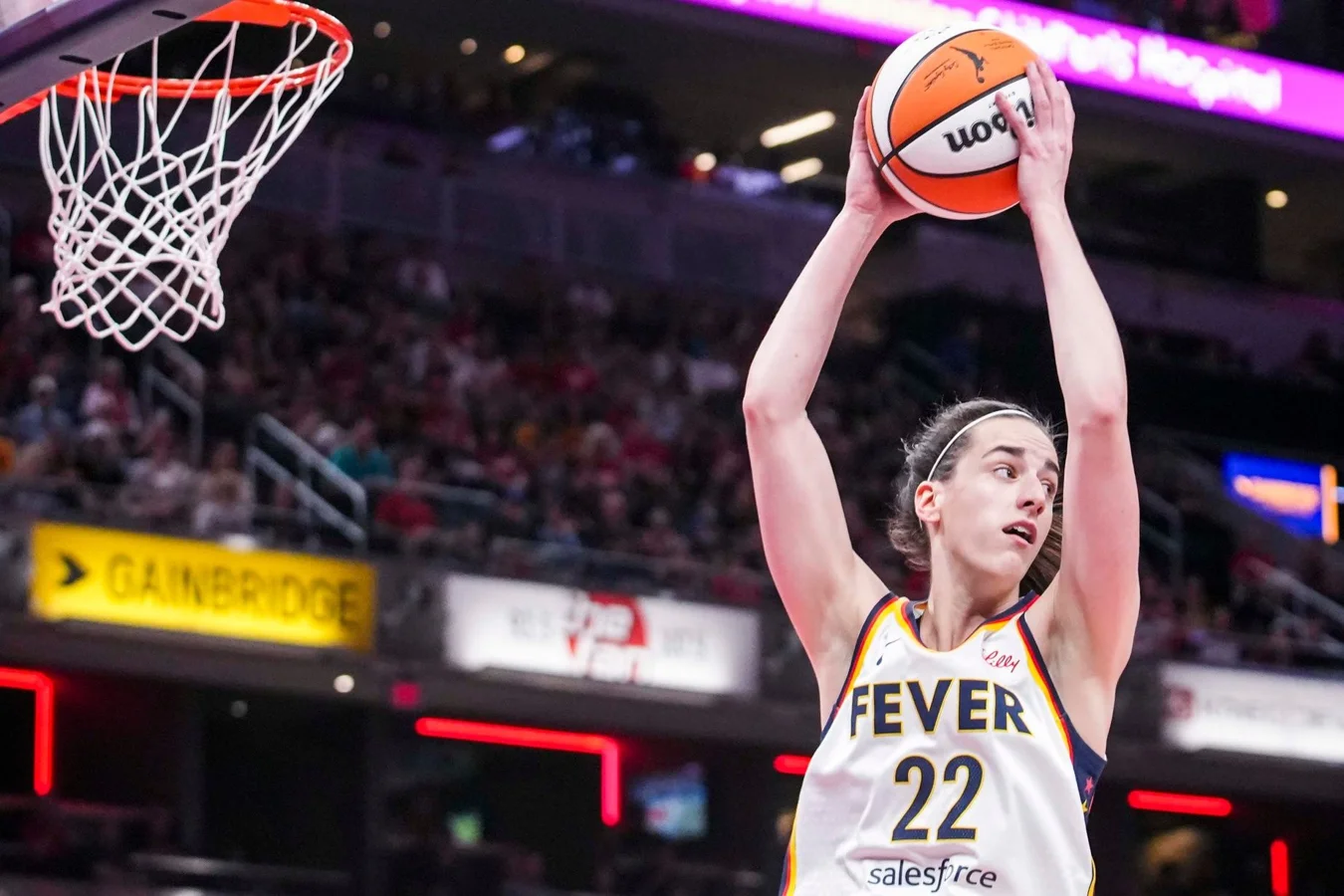
Lieberman’s praise highlights Clark’s achievements, including winning Rookie of the Year in her debut season and leading the league in assists. Additionally, Clark serves as an All-Star team captain in only her second season, underscoring her significant role in the WNBA’s present and future.
Comparing Clark’s Rivalry to Historic NBA Matchups
Cheryl Miller, another icon in women’s basketball, draws parallels between the rivalry of Caitlin Clark and Angel Reese of the Chicago Sky and the famous competition between NBA legends Magic Johnson and Larry Bird. Miller shared her perspective during a recent episode of the All Facts No Brakes Podcast hosted by Keyshawn Johnson.
The reason I do it is, and just because I’m old school, you had Magic and Larry, who competed in college, but had championships,
she said.
So, Magic won. Larry didn’t. It’s kind of like the same thing, a little, with Angel Reese and Caitlin Clark. But the difference is, with the men, it’s a rivalry, and it’s great theater.
—Cheryl Miller, Women’s Basketball Legend
Miller also pointed out a key difference in how women’s sports rivalries are portrayed compared to men’s, arguing the media often twists the narrative negatively when covering female athletes.
We’re either petty, or jealous, envious,
Miller added.
You know, we can’t just be two people who just generally don’t like you, and that’s OK. I don’t have to like you. I respect your game and everything else. But we don’t have to be kumbaya. But it’s the narrative by the media that bothers me.
—Cheryl Miller
Candace Parker, a retired WNBA star who joined Miller on the podcast, agreed with these observations. Parker cited the media’s portrayal of the rivalry between Kevin Durant and Russell Westbrook as an example of how men’s sports coverage differs significantly in tone from that of women’s sports, underscoring the double standards female athletes often face.
Implications for the WNBA and Female Athlete Rivalries
The defense of Caitlin Clark by revered figures like Nancy Lieberman and Cheryl Miller frames an important conversation about respect and recognition in women’s basketball. Clark’s emergence as a premier guard is shifting the dynamics within the league, boosting its visibility, but also revealing challenges related to jealousy and media narratives around female athletes.
Looking ahead, this controversy may prompt the WNBA and its fans to reflect on how star players are supported and how rivalries are portrayed, potentially paving the way for healthier competition focused on athleticism and performance rather than personal conflicts. As Clark continues to develop her career, her influence could shape the future culture of the league, inspiring both current players and the next generation.