
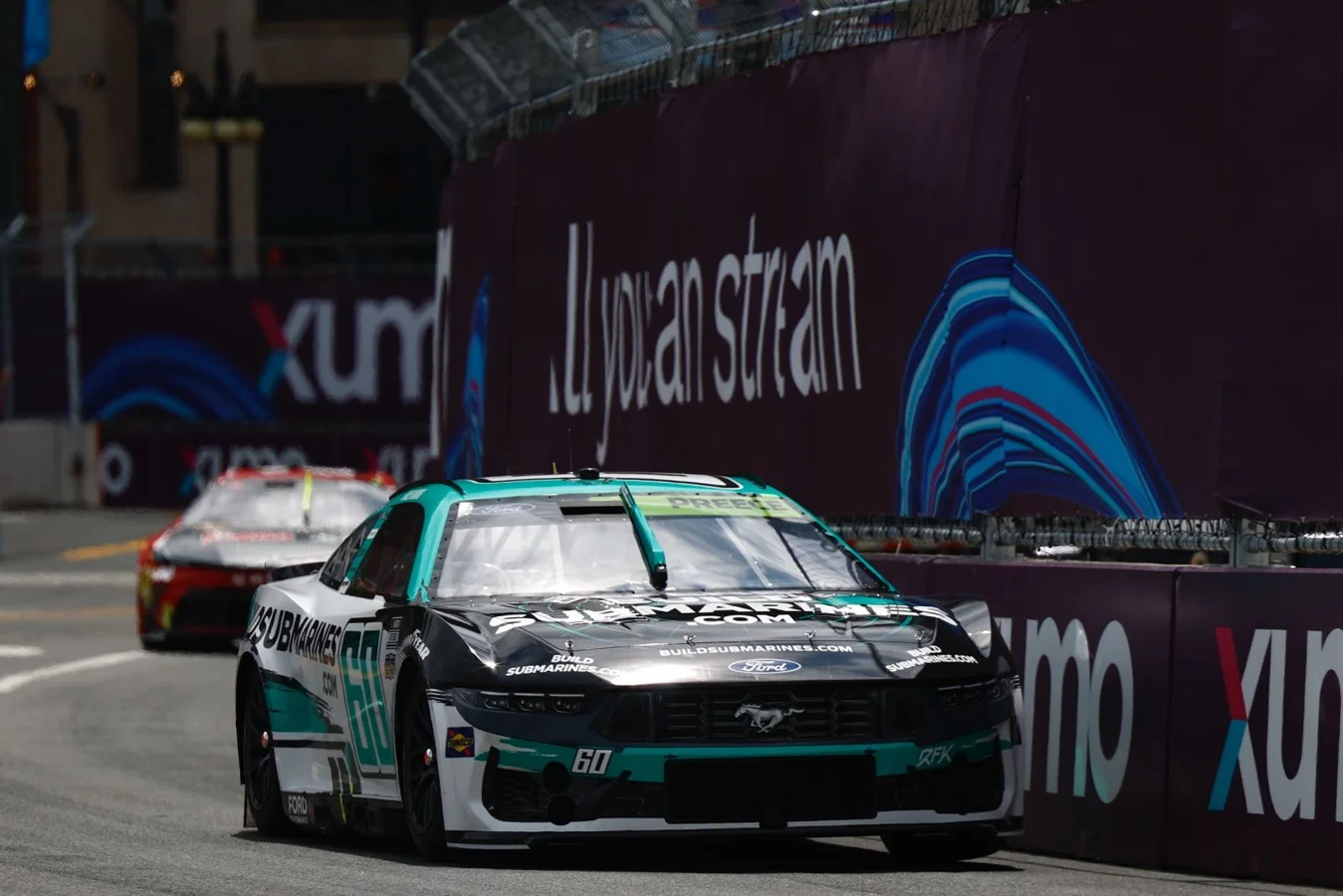

NASCAR is entering its third road course race within the last five events of the season, with two more scheduled before the series concludes. Sonoma Raceway in California stands out as a particularly demanding track, posing unique difficulties that even experienced drivers find tough to master. Chris Buescher recently detailed the specific challenges drivers encounter at this historic venue, emphasizing why it remains a critical test on the NASCAR calendar.
Buescher explained that although recent races, including an exciting Xfinity duel between Shane van Gisbergen and Connor Zilisch, showcased high-speed action, the introduction of the Next Gen car has changed how drivers approach Sonoma. The car adds a new layer of complexity that requires adjustment and experience.
Elevation Changes and the Limits of Simulation Training
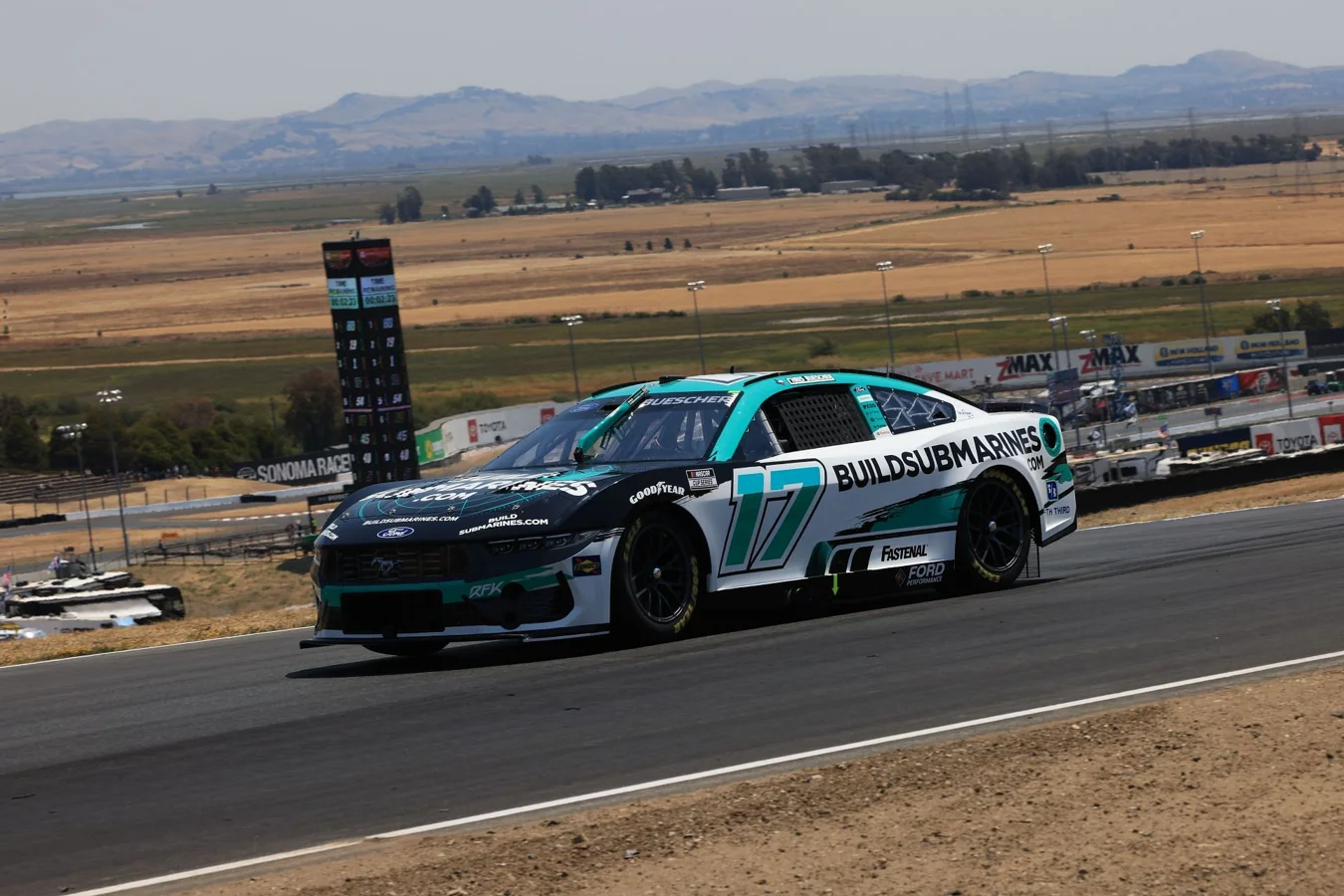
One major obstacle at Sonoma Raceway is its dramatic elevation changes, which far surpass most other tracks on the schedule. Buescher highlighted the difference:
No amount of simulator time could prep you for Sonoma. To come off a course last week where I feel like we had about 8ft of elevation change throughout the entire thing, to a place that we have over 150 here, or something, 160. It’s huge, right?
—Chris Buescher
This significant elevation variance challenges drivers’ instincts, as simulators struggle to replicate the “gut feel” necessary to handle blind corners and the rolling hills present at Sonoma. It demands not only technical skill but a strong sense of spatial awareness developed through repeated laps on the actual circuit.
The Importance of Trust and Learning the Track’s Rhythm
Buescher stressed that navigating Sonoma’s layout isn’t simply about avoiding walls or braking points; it requires trust in the track and the driver’s own judgement when confronting invisible turns caused by elevation changes:
It’s ’cause it’s a rolling hill and you have no clue what’s on the other side. It’s a trust factor. It takes laps to know where you’re at and where you’re pointed. And yeah, it’s a challenging race.
—Chris Buescher
He also acknowledged the significance of the track’s character, describing it as more than just a sequence of flat, standard corners. Its unique topography and rhythm sections make it an engaging challenge that rewards experience and careful pacing.
Adjusting Driving Style with the Next Gen Car at Sonoma
The transition to the Next Gen car has prompted changes in how drivers handle crucial track features, such as curbs. Buescher pointed out that while previous Cup cars encouraged more aggressive curb attacks, today’s drivers have become more measured in their approach. Despite dialing back on how aggressively they “aired out” the curbs, Sonoma’s layout remains complex and rewarding:
“…Sonoma has a lot of really great rhythm sections,”
Buescher remarked, emphasizing that the track still offers enough nuance and challenge to keep drivers engaged and entertained behind the wheel.
Buescher’s Perspective on Road Courses and Driver Strengths
Reflecting on the growing number of road course races on the NASCAR schedule, Buescher acknowledged that although these events present steep learning curves, he sees personal strengths in tackling Sonoma’s unique demands. He also expressed concern and support following a recent incident involving Cody Ware:
“That impact was massive” –@Chris_Buescher glad that Cody Ware is OK after the hard head-on crash in the tires at Chicago. He also talks about the number of road courses on the schedule and his strengths at Sonoma. #NASCAR pic.twitter.com/S9RcP9YL2n
—Frontstretch
As the season progresses, drivers like Buescher continue to adapt to the challenges posed by road courses like Sonoma, balancing the technical demands with strategy and mental focus.
The Ongoing Significance of Sonoma in NASCAR’s Road Course Landscape
Sonoma Raceway remains a critical test for NASCAR drivers, combining steep elevation shifts, blind corners, and a distinct rhythm that separates it from standard road courses. Buescher’s insights underscore the importance of experience, trust, and adaptability when navigating this complex track, especially with evolving car technology.
Looking ahead, mastering Sonoma’s challenges could provide drivers with a competitive advantage as NASCAR’s schedule features more road course races. The blend of technical skill and mental toughness required here serves as a benchmark for driver development in the current era.