
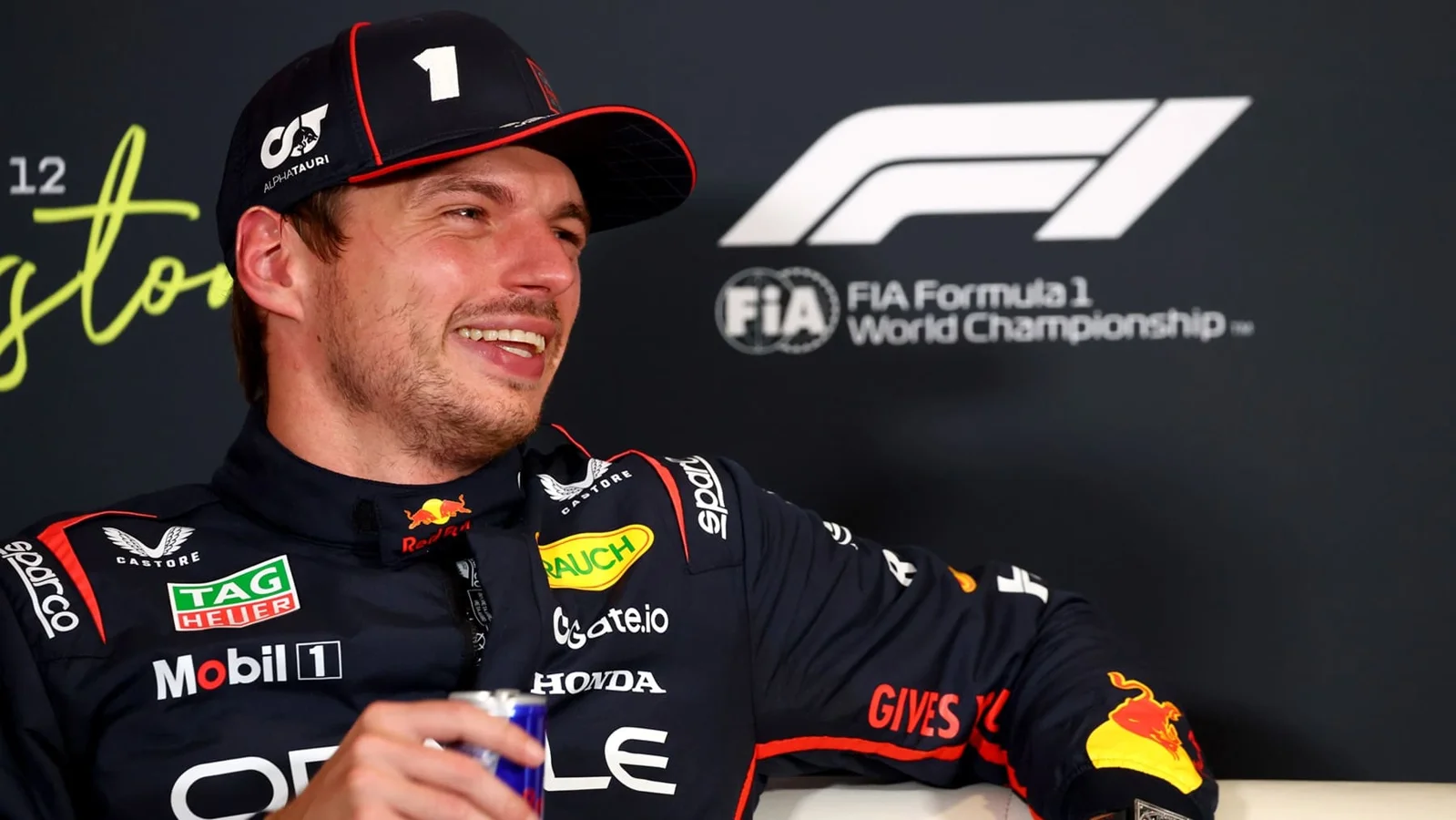

Max Verstappen’s future decision in 2026 remains one of the most discussed topics in Formula 1, particularly following the recent dismissal of Christian Horner as Red Bull’s team principal. With his current contract running until 2028, speculation surrounds whether the four-time world champion will continue with Red Bull or explore new opportunities at other top teams like Mercedes or Aston Martin.
Evaluating the 2026 Grid Will Be Crucial for Verstappen
The upcoming 2026 regulation changes are expected to reshape Formula 1’s competitive landscape, leaving the relative strength of each team uncertain until the first testing sessions. Mark Mann-Bryans emphasizes that Verstappen should use this period to assess performance across the grid cautiously. Given the many examples of top drivers trapping themselves in uncompetitive cars due to premature moves, Verstappen’s existing contract includes clauses that could give him leverage if he needs to exit Red Bull.
Instead of rushing into a move, Verstappen would benefit from staying with Red Bull for now and monitoring how the new rules affect all teams. Mann-Bryans questions the logic of switching to Mercedes or Aston Martin without guarantees, especially since Mercedes may still face challenges in developing a winning car around their power unit, and Aston Martin’s prospects under Adrian Newey and Honda are not assured.
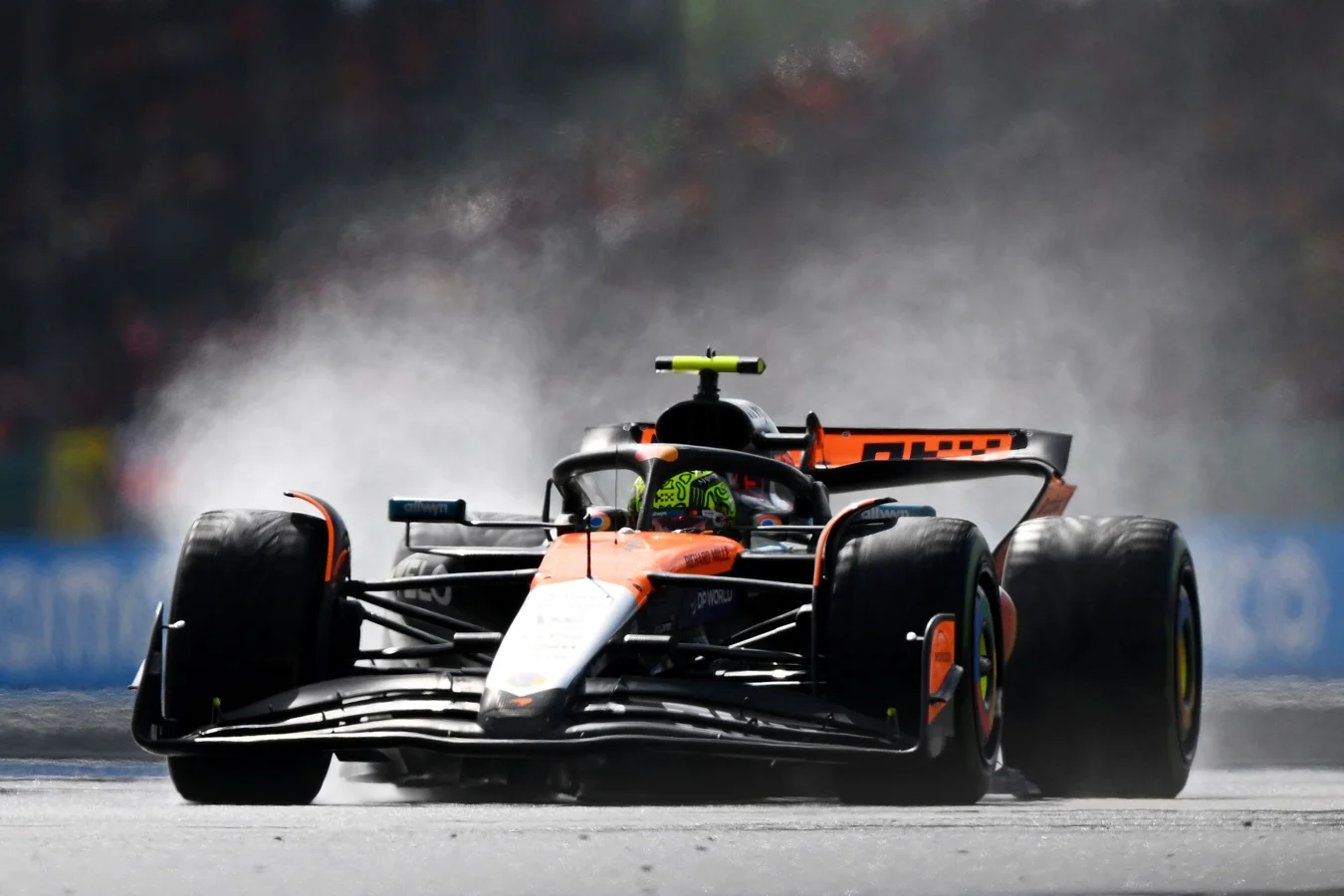
Should Red Bull falter, Verstappen’s reputation ensures that top teams would consider signing him, but patience might avoid a risky, premature decision.
Mercedes Offers Stability, but Horner’s Exit Complicates Loyalty
Ronald Vording points out that Verstappen’s key consideration is whether he is willing to compromise the 2026 season by making a move now or waiting to see clearer opportunities in 2027. The driver market for that year could open up more options, with Mercedes, Aston Martin, or even Ferrari as possibilities once new regulations have settled.
From a competitive viewpoint, Mercedes currently appears a safer bet than Red Bull, but Horner has remarked there is “no guarantee” Verstappen can win with a Mercedes power unit. He added it would be “embarrassing” for Mercedes if they fell behind Red Bull, underlining how stiff the competition remains.
While joining Mercedes before 2026 could offer Verstappen a strong platform, the situation is complicated by Red Bull’s internal dynamics. Despite Horner’s departure, Helmut Marko remains influential, maintaining an environment where the Verstappen family feels at home. Vording argues that Verstappen’s longstanding loyalty to Red Bull might clash with sporting ambitions in deciding his next step.
More Clarity on Verstappen’s Path Expected After the 2027 Season
Stuart Codling suggests that Verstappen should refrain from making immediate changes and instead evaluate the 2026 season’s developments. He explains that Verstappen has the advantage of time and, aside from personal loyalty to figures such as Helmut Marko, stands to lose more by leaving prematurely.
Codling highlights historical cautionary tales of drivers like Fernando Alonso, whose timing on moves impacted their championship tally. Even though Mercedes is rumored to have advanced power units for the new regulations, uncertainty remains about their ability to deliver a competitive chassis and avoid past ground-effect-era failures.
According to Codling, if Red Bull maintains a strong trajectory, Verstappen could remain in a familiar and winning environment in 2027, where he will still be regarded as fast and dedicated, extending his championship opportunities.
Patience and Performance Will Determine Verstappen’s Next Move
Filip Cleeren believes that Verstappen’s only valid reason to switch teams relies on whether Red Bull can offer a winning car. Despite Red Bull’s ongoing internal challenges, including major personnel changes and questions about the new Powertrains division, Cleeren argues that the new team principal and CEO Laurent Mekies faces a critical job in restoring confidence.
Red Bull’s difficulties with car performance recently have clearly frustrated Verstappen, yet McLaren’s power units and Adrian Newey’s possible reunion with Honda at Aston Martin create additional uncertainty in the lineup.
Cleeren advises that Verstappen should wait until early 2026 testing to observe which teams are truly positioned well under the new regulations. He notes the clauses in Verstappen’s Red Bull contract remain valid, allowing him to exit if necessary. However, jumping to Mercedes too soon could backfire if that fresh package struggles, as they will likely bind him to a longer-term deal difficult to break.
This means that patience will be an important virtue in 2026, as Verstappen’s best chance to assess both performance and internal team culture factors will come with the season underway.
What Horner’s Departure Means for Verstappen and Red Bull
Christian Horner’s dismissal as Red Bull’s team principal and CEO has undoubtedly impacted Verstappen’s decision-making process, introducing new uncertainties at a critical time. While Horner’s leadership was associated with the team’s recent dominance, the arrival of Laurent Mekies signals a new direction for Red Bull.
The change in management could affect team dynamics and trust, especially given Verstappen’s loyalty to the Red Bull “sphere” including Helmut Marko. The balance between sporting ambition and personal loyalty adds tension to Verstappen’s deliberations ahead of 2026.
As Red Bull navigates these challenges, Verstappen must weigh whether remaining with the team continues to offer the best pathway to further championships or if exploring alternatives could better satisfy his career goals.
Experts Urge Caution Amid a Turbulent Offseason
Across the board, analysts emphasize caution in Verstappen’s next moves given the unprecedented changes due in Formula 1 and shifts within his current team. The uncertainty surrounding team performances across the grid and internal Red Bull upheavals make 2026 a pivotal year for the Dutchman’s trajectory.
Verstappen’s ability to trigger contractual exit clauses offers flexibility but also highlights the risk of premature decisions that have hindered other champions. Staying put during the transformative 2026 season will allow him to gather crucial information, maintain his competitive edge, and retain control over his future.
Ultimately, 2027 and beyond could present Verstappen with clearer options based on real-world results rather than speculation, ensuring any future moves maximize his chances of sustained success in the sport.
Our Reader’s Queries
Q. Why is 17 banned in F1?
A. Number 17 is the only race car number retired in Formula 1 to honor Jules Bianchi. The French driver had #17 during his tragic crash at the 2014 Japanese Grand Prix.
Q. Which F1 driver has ADHD?
A. Lewis Hamilton, born in 1985, is a British race car driver in Formula One. He has driven for McLaren and currently races for Mercedes. Hamilton openly talks about living with ADHD and explores his varied interests and passions.
Q. Is number 69 allowed in F1?
A. Drivers can select a permanent number from 0 to 99, except for 1. Only the World Drivers’ Champion can choose to use number 1, but it’s not mandatory.
Q. What F1 drivers have ADHD?
A. Lewis Hamilton is a British race car driver born in 1985. He races in Formula One for the Mercedes team, though he previously drove for McLaren. Hamilton openly talks about living with ADHD and explores his many different interests and passions.