
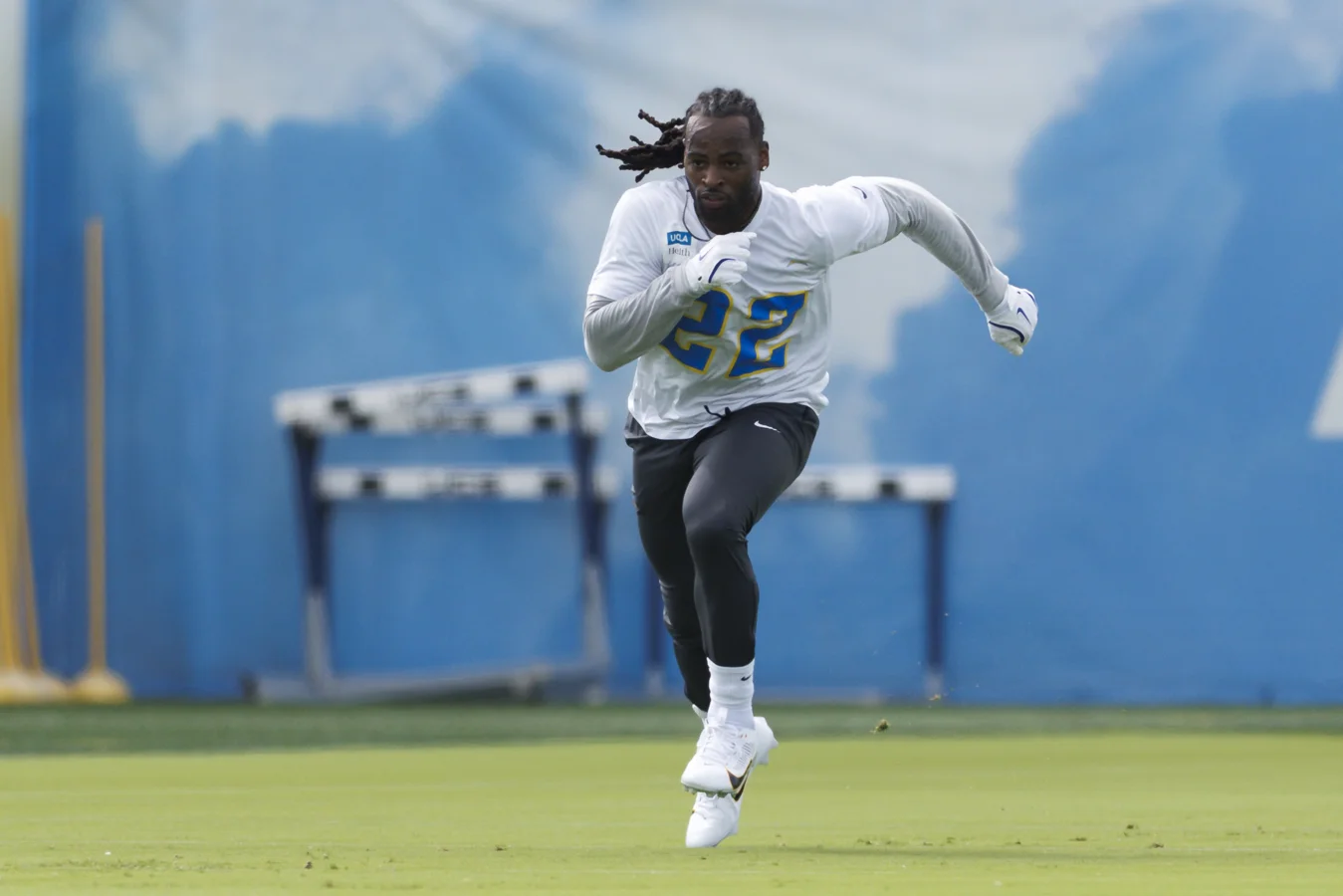

Caleb Williams, the 23-year-old NFL quarterback, recently ignited a wave of discussion after posting photos showing his bright blue painted nails at a wedding over the weekend. Known for his prominence both in college football and now in the NFL, Williams’ choice to wear blue nail polish drew varied responses across social media platforms, revealing both criticism and support. The incident highlights the broader conversation around personal expression in professional sports, especially centered on Caleb Williams blue nail polish.
Social Media Backlash and Continuing Trolls
Williams has long been a target of relentless online criticism, dating back to his college days at USC. His vulnerability was on full display following a key loss to the Washington Huskies, where his emotional reaction fueled further trolling. Even after winning the Heisman Trophy, the negativity persisted into his rookie season in the NFL, despite glimpses of his extraordinary talent as the first overall draft pick. This pandemic of harsh commentary shows no signs of easing, as social media users frequently attack his personal choices, including his recent nail polish.
After sharing photos from the wedding of Taylor Mays, a former USC defensive coordinator now with Washington, Williams appeared in a traditional all-black outfit with a splash of individuality: an orange strap on his watch and vivid blue nails. The latter choice, particularly unusual and heavily stigmatized in football culture, instantly attracted critical remarks on X (formerly Twitter), challenging Williams’ masculinity and raising questions about his personal life.
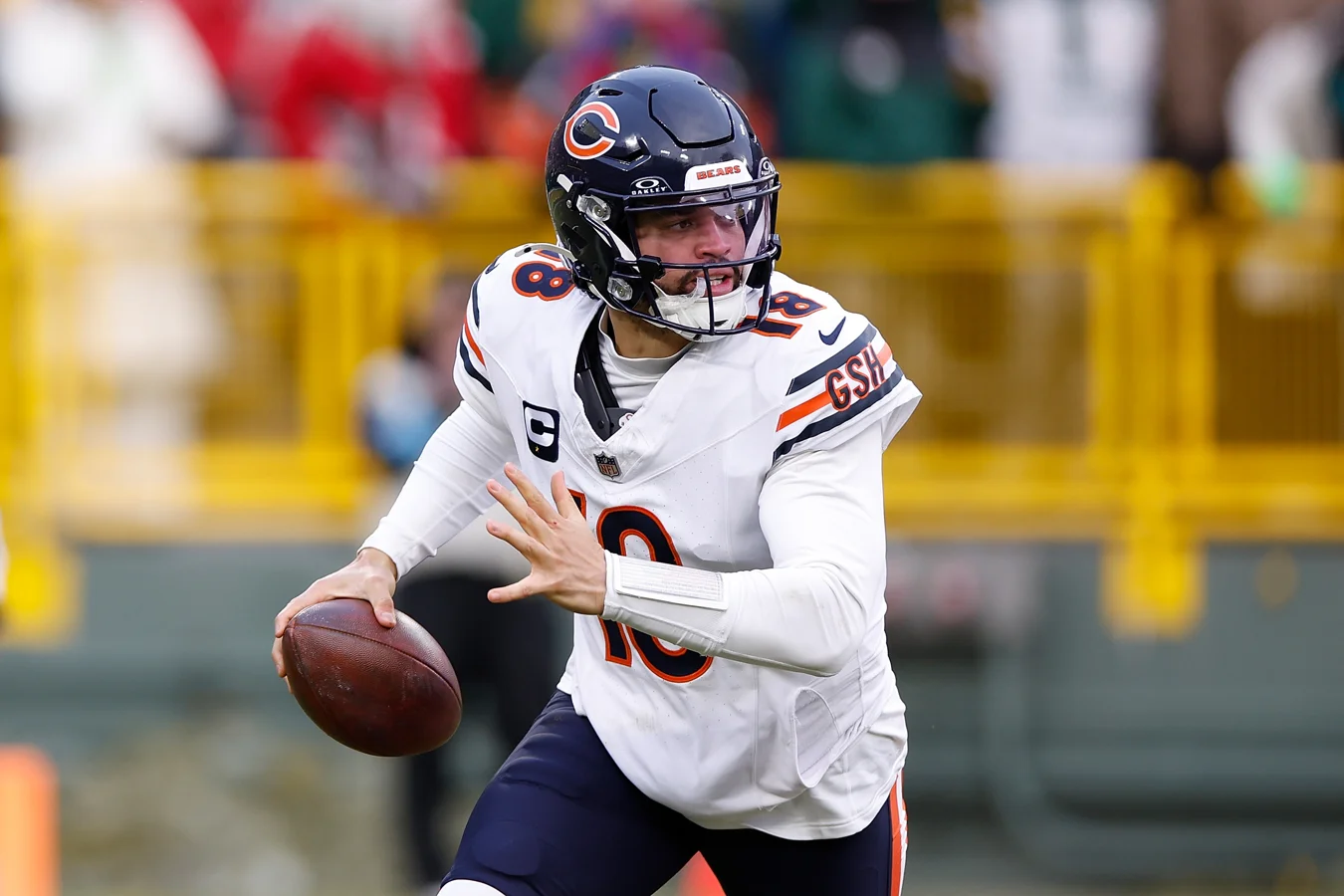
Mixed Public Opinions on Personal Style in Football
The backlash quickly escalated, with some commenters questioning stereotypes and labeling Williams with derogatory remarks. The social media exchanges included comments like “Is he gay?” and
“He’s got too much feminine energy,”
underscoring the discomfort some feel with men adopting styles traditionally seen as unconventional for male athletes. Despite the negativity, Williams has shown resilience and continued to express himself through painted nails, refusing to conform to typical expectations in professional football.
Such choices have stirred debate about acceptance and individuality in sports, challenging deep-rooted norms about masculinity in football. This moment also highlights the tension between traditional fan outlooks and evolving player identities, with Williams caught at the center of the storm.
Williams’ Athletic Future and Team Prospects
While social media discourse surrounds his appearance, Caleb Williams remains focused on improving his performance and leading the Chicago Bears. After a challenging rookie year, many are optimistic about his development under the guidance of the new head coach, Ben Johnson, who brought his expertise from Detroit as an offensive coordinator. Johnson’s coaching philosophy aligns with stability and consistency, offering Williams a better opportunity to thrive in one of the NFL’s most competitive divisions.
When you have the same system, it’s the same language every single year. Learning a new system every year is tough. And Ben Johnson, the other thing, he had a choice to go anywhere he wanted. He chose to go to the Bears, which arguably could be the toughest division in football. It tells you what he thinks about Caleb and about that team.
—Peyton Manning, Hall of Fame Quarterback
Williams’ partnership with Johnson brings hope to Chicago fans eager to see the Bears compete against formidable NFC rivals like the Eagles, Packers, and Lions. The quarterback’s ability to grow in a consistent system could be pivotal for both his career trajectory and the franchise’s success.
Significance of This Moment for Athletes and Fans
The reaction to Caleb Williams blue nail polish exemplifies the broader cultural struggle within sports regarding gender expression and personal freedom. His willingness to break traditional molds and face backlash head-on spotlights ongoing societal shifts and the uneven nature of acceptance in professional athletics. For fans and critics alike, this moment serves as a reminder of the evolving landscape where athletes are no longer confined to rigid stereotypes.
Looking ahead, Williams’ focus on his craft and leadership under a respected coaching staff may gradually shift attention from social media critiques back to his impact on the field. Meanwhile, the conversation sparked by his bold style choices will likely continue to inspire discussion about diversity, personal identity, and inclusion in sports.
Our Reader’s Queries
Q. Is Caleb Williams autosexual?
A. Caleb Williams recently identified as “autosexual.” This means he primarily feels attracted to and has a sexual interest in himself.
Q. What happened to Caleb Williams?
A. Williams decided to join the transfer portal on January 3, 2022. By February 1, he revealed his move to the University of Southern California. This transfer allowed him to play for the Trojans and reconnect with head coach Lincoln Riley, who had left the Sooners to coach the Trojans.
Q. Why did Caleb Williams switch to 18?
A. Since Keenan Allen already had the number 13 in college, Williams chose number 18 from high school for his NFL jersey. This change was shared less than half an hour after he was drafted. On the night he was drafted, the sales of Williams’ merchandise set a new record for Fanatics.
Q. Why did Caleb Williams cry?
A. Following a tough season and a disappointing defeat, Caleb Williams climbed into the front row at the Los Angeles Memorial Coliseum on Saturday night. He found comfort in his mother’s arms and began to cry. The USC quarterback had achieved four touchdowns, yet it wasn’t sufficient for victory.