
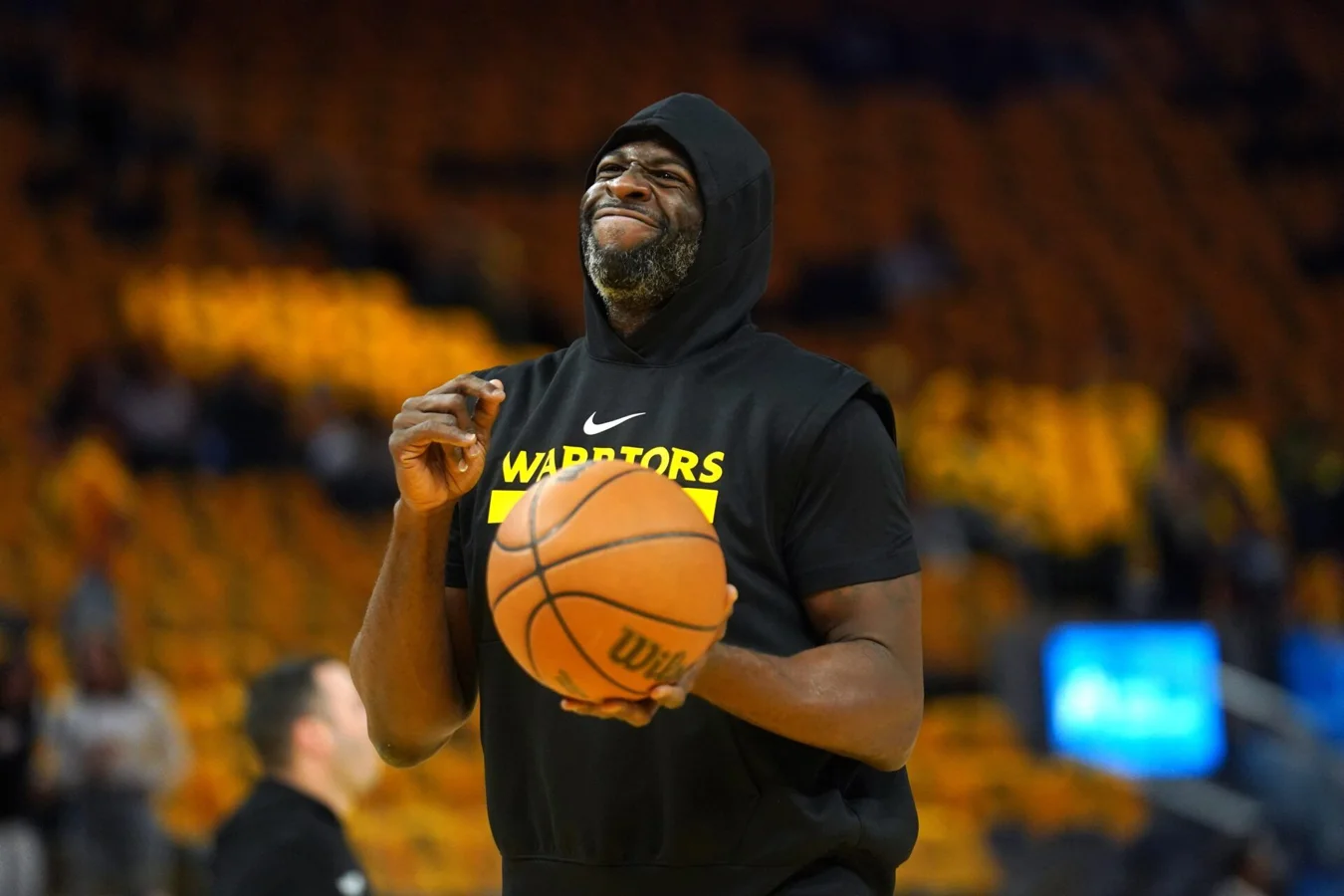

Draymond Green has long been known for stirring debate, and his recent remarks on free agency sparked renewed controversy. However, his agent Rich Paul stepped forward to clarify Green’s intentions, explaining that while Green aimed to highlight concerns, the way he expressed himself led to misunderstandings. This discussion is central to the ongoing conversation about the evolving nature of <a href=”https://www.buzzineintl.com/category/basketball/nba/”>NBA free agency and its impact on player movement.
Changing Dynamics Under the New Collective Bargaining Agreement
Green criticized the current Collective Bargaining Agreement (CBA), stating it has diminished the excitement around free agency by introducing the second apron rule, which restricts major off-season transactions. He compared today’s environment to past events, such as LeBron James’s ‘The Decision’ and Kevin Durant’s ‘Next Chapter,’ emphasizing how those types of high-profile moves seem less likely now. Paul explained that Green’s message was not an outright rejection of free agency or the CBA but rather a critique of how teams increasingly retain their key players before their contracts expire.
Financial Factors Influencing Player Contracts and Free Agency
Paul pointed out that the NBA’s strong financial health enables teams to secure their stars with lucrative extensions, reducing the number of players reaching free agency. Examples include Devin Booker’s $75 million annual extension, Shai Gilgeous-Alexander’s historic $270 million deal, and Jalen Williams’s upcoming $287 million contract extension. These agreements illustrate how franchises prioritize early negotiations, a trend Green wanted to bring attention to.
Brandon Ingram’s Contract Used to Illustrate the Current Market Situation
Rich Paul cited the case of Brandon Ingram, who suffered a mid-season injury and was traded to the Toronto Raptors on an expiring contract. Paul helped negotiate a new deal for Ingram worth $40 million per year, arguing that reaching free agency under those conditions would have limited his opportunities. Ingram’s injury and market uncertainties meant fewer teams would have been willing to offer such a contract if he became a free agent. Paul stated,
“Had he got to the open market, there was not much opportunity there, so he’s making 40 mill a year, for the next three years. That probably wouldn’t have been there for him if he gets to free agency.”
Free Agency’s Role and Potential Challenges Moving Forward
Paul emphasized free agency’s critical role as a league asset, underscoring its importance within the NBA ecosystem. He also expressed concern that the current structure of the CBA could hinder the dramatic superstar dynamics traditionally associated with open-market player movement. This ongoing tension suggests that debates around the structure and future impact of free agency will continue as teams and players navigate the evolving NBA landscape.