
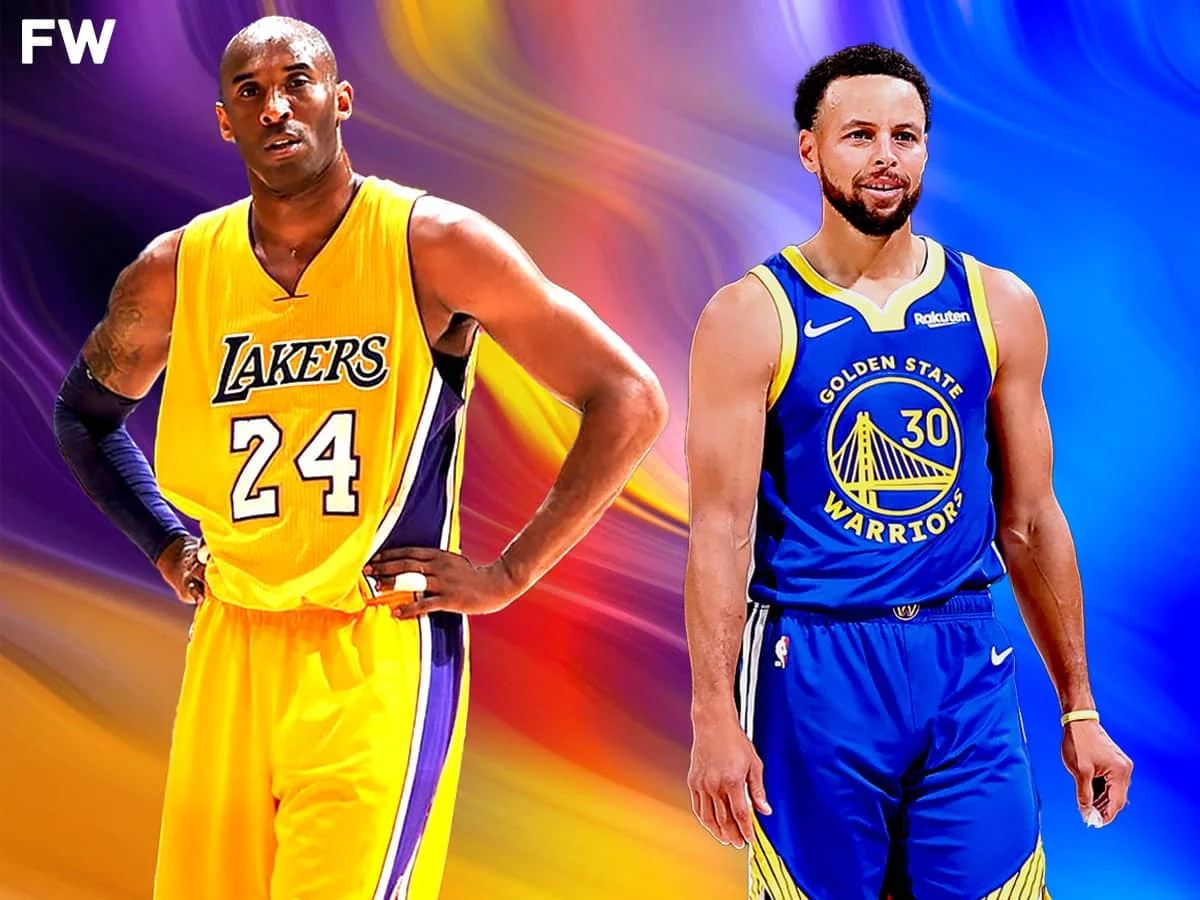

Shaquille O’Neal publicly expressed strong disapproval after Bleacher Report ranked Stephen Curry at No. 10 in its all-time NBA player list, placing Kobe Bryant just behind at No. 11. The controversy erupted in mid-July 2025, igniting widespread debate across social media and sports communities over the justification of such rankings and the legacies of these two basketball icons.
The ranking stirred intense reactions partly because it involved two of the most influential players in NBA history, with fans and analysts deeply divided on the criteria for greatness. Shaq’s succinct yet emphatic rebuttal, delivered via social media, emphasized his loyalty to Bryant’s legacy and questioned the basis for Curry’s higher placement.
The Spark Behind Shaq’s Outburst Over Player Rankings
The tension began when Bleacher Report released its Top 100 NBA Players of All Time list, putting Stephen Curry inside the top ten for the first time while demoting Kobe Bryant to the 11th spot. Shaq, renowned for his candid commentary, did not hold back in voicing his displeasure on X with a pointed statement: “Kobe at 11 is criminal.” This sharp critique reflected not only a defense of Bryant’s status but also the broader implications of how historical greatness is judged in professional basketball.
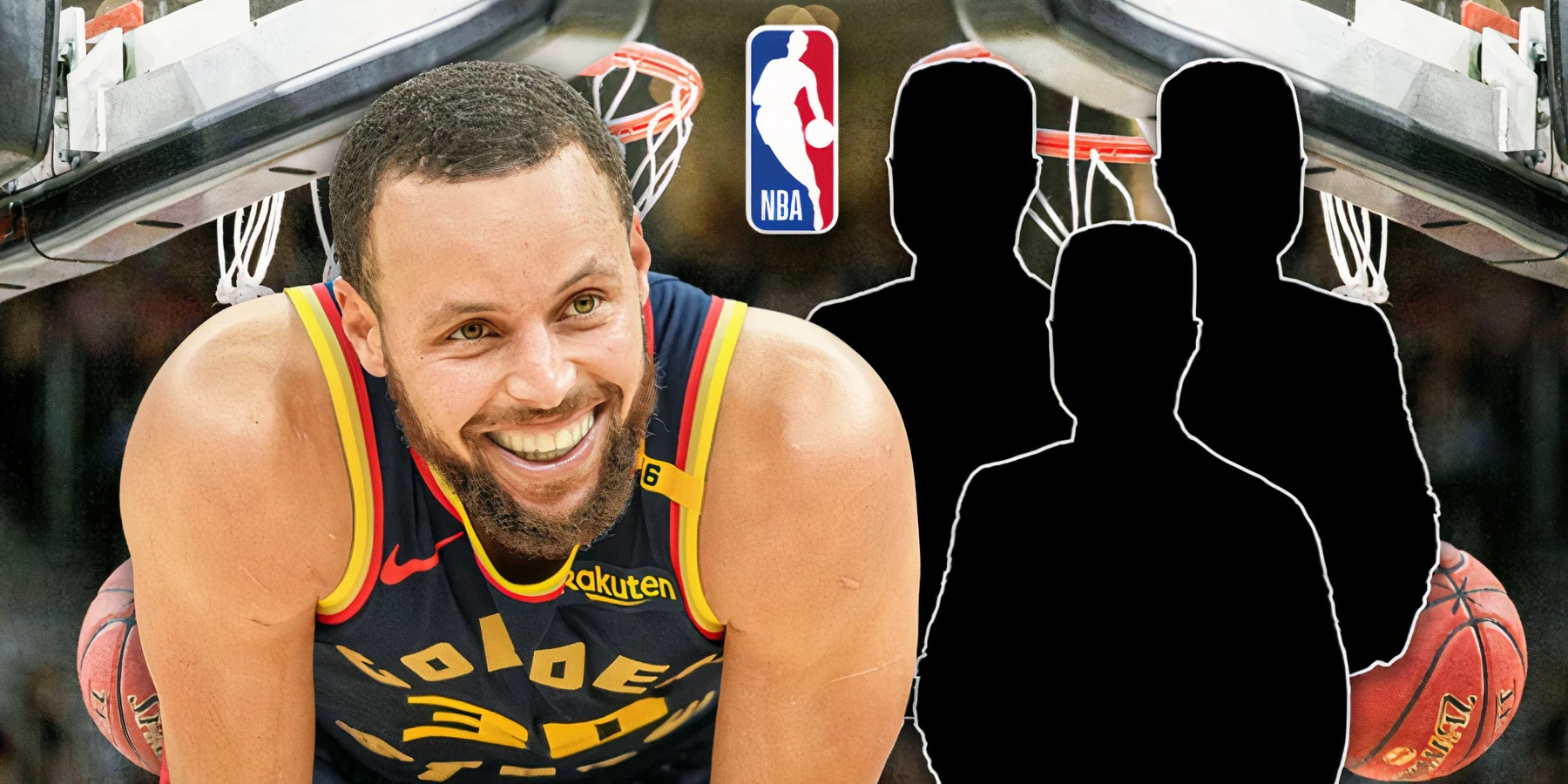
Stephen Curry’s career accomplishments are undeniably impressive, including four NBA championships, two MVP awards—one of them unanimous—and outstanding shooting percentages, especially from beyond the arc. His statistical production includes career averages of 24.7 points and 6.4 assists per game with a remarkable 42.3% accuracy from three-point range. These achievements have revolutionized modern basketball and elevated the value of sharpshooting in the sport.
By comparison, Kobe Bryant’s legacy is marked by five championship rings, two Finals MVP awards, and unforgettable individual performances such as his 81-point game. He retired with a career scoring average of 25 points per game and was widely admired for his competitive aura, work ethic, and clutch moments in critical games. For Shaq, Bryant’s impact transcends numbers—rooted in an intangible aura of leadership and legacy that he believes deserves higher recognition.
The Complex Dynamic Between Shaquille O’Neal and Kobe Bryant
The debate cannot be separated from the history between Shaquille O’Neal and Kobe Bryant, who together formed one of the NBA’s most dominant duos, winning three consecutive championships while playing for the Los Angeles Lakers. Their combined on-court excellence was undeniable, lighting up countless highlight reels and intimidating opponents league-wide. However, their relationship off the court was complicated, featuring intense rivalry and personal clashes that were widely publicized during their time together.
Conflicts surfaced over leadership roles and professionalism, with reported disagreements ranging from tactical decisions to individual work ethics. Despite these tensions, both players elevated their performances in the postseason, with Shaq often dominating opponents and Kobe maturing from a promising rookie to a feared closer. The complicated partnership eventually dissolved, but the legacy they created remains legendary.
Over time, their rivalry softened into mutual respect, especially after Kobe Bryant’s tragic death in 2020. Shaq openly mourned his former teammate, expressing profound grief and a sense of loss for opportunities to reconcile fully. Since then, he has taken a protective stance regarding Bryant’s legacy in the broader basketball conversation, underscoring a deep emotional bond beyond their professional association. This history sheds light on why Shaq reacted so vehemently to any perceived undervaluation of Bryant’s rank among the all-time greats.
Implications of the Ranking and the Ongoing Debate Over Greatness
The controversy surrounding the ranking serves as a reminder of how subjective judgments of greatness in sports can ignite fierce debates among fans, analysts, and former players alike. While statistical records provide measurable criteria, emotions and personal history also strongly influence perceptions. Shaq’s vocal opposition highlights the tension between analytics-driven assessments and legacy-based considerations in ranking basketball legends.
For many Lakers fans and observers of NBA history, placing Curry above Bryant challenges not only player comparisons but also the cultural and emotional connection to Lakers’ heritage. Bryant’s status as an icon embedded in the franchise’s storied tradition contrasts with Curry’s revolutionary influence on the modern game. The discussion reveals broader questions about the criteria for greatness—whether championships, individual statistics, cultural impact, or some combination thereof should dictate rankings.
As social media conversations continue and analysts revisit player legacies, this debate underscores the enduring passion surrounding basketball’s greatest stars. Shaquille O’Neal’s vehement defense of Kobe Bryant reflects a deeper commitment to preserving history as he sees it, but it also opens space for ongoing discussion about how evolving generations interpret greatness in the sport.
Ultimately, the Stephen Curry Kobe Bryant ranking debate reveals how powerful sports narratives are intertwined with personal respect, historical context, and evolving evaluation methods, suggesting that conversations about basketball’s all-time best players will remain vibrant and contested for years to come.
Our Reader’s Queries
Q. Why does Stephen Curry wear 4?
A. FIBA, the group in charge of Olympic basketball, once limited player numbers to 4-15 to simplify things for referees. In 2014, FIBA removed this rule. However, Team USA still follows this tradition in international competitions, like the Paris Olympics. This is the reason why Curry continues with the same number.