
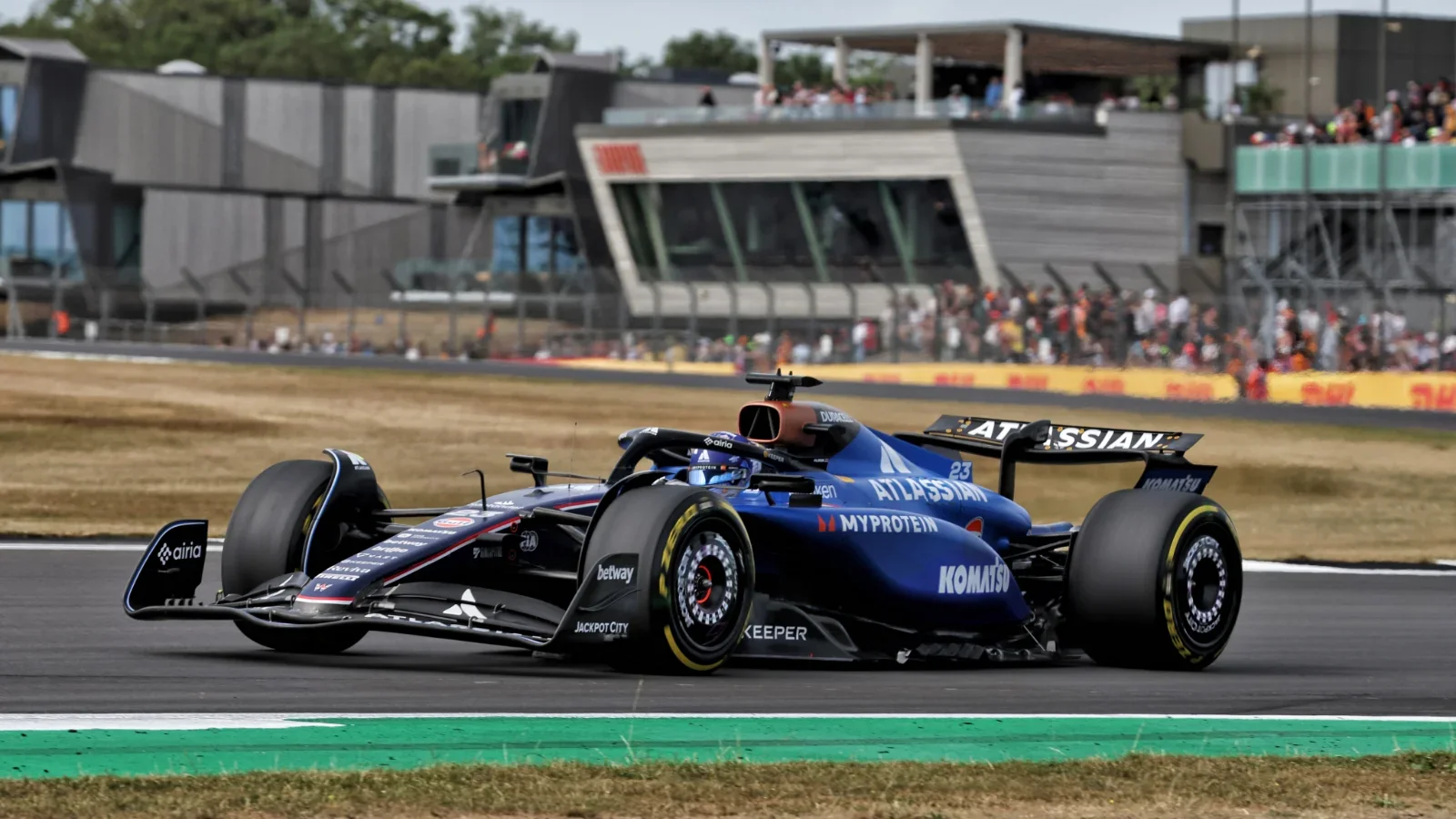

Formula 1 has implemented a midseason reset of aerodynamic testing limits, altering the amount of wind tunnel and CFD time teams are allowed based on their current position in the constructors’ championship. This adjustment, effective ahead of the 2025 Austrian Grand Prix, aims to balance development opportunities by increasing allowances for lower-ranked teams while reducing them for those higher in the standings. Alpine and Aston Martin stand out as the main beneficiaries of this reset, while Williams and Mercedes face notable reductions in their permitted testing time.
Since 2021, Formula 1 has employed a sliding scale for aerodynamic testing (ATR), where the championship leader experiences a 25% cut in testing hours, and the team in last place receives a 15% increase. The baseline permits each team to perform 320 wind tunnel runs and 2,000 computational fluid dynamics (CFD) tests over two months. With the 2026 season’s radical technical overhaul approaching, maximizing testing time during this period is crucial for teams to refine their 2025 cars and prepare for future regulations.
Williams Endures Sharp Reduction Despite Climbing Standings
Williams, which finished ninth in the 2024 season with just 17 points, has climbed significantly this year to fifth place with 55 points heading into the Austrian GP. However, this rise sharply reduces the team’s aerodynamic testing allowance to 90% of the baseline. This translates to 288 wind tunnel runs and 1,800 CFD tests for the remainder of the 2025 season, down from 352 wind tunnel tests previously permitted. This cut is the steepest among all teams, posing a challenge for the Grove-based squad as it seeks to maintain competitiveness within tighter development constraints.
Alpine Gains Critical Boost to Testing Resources at Season’s End
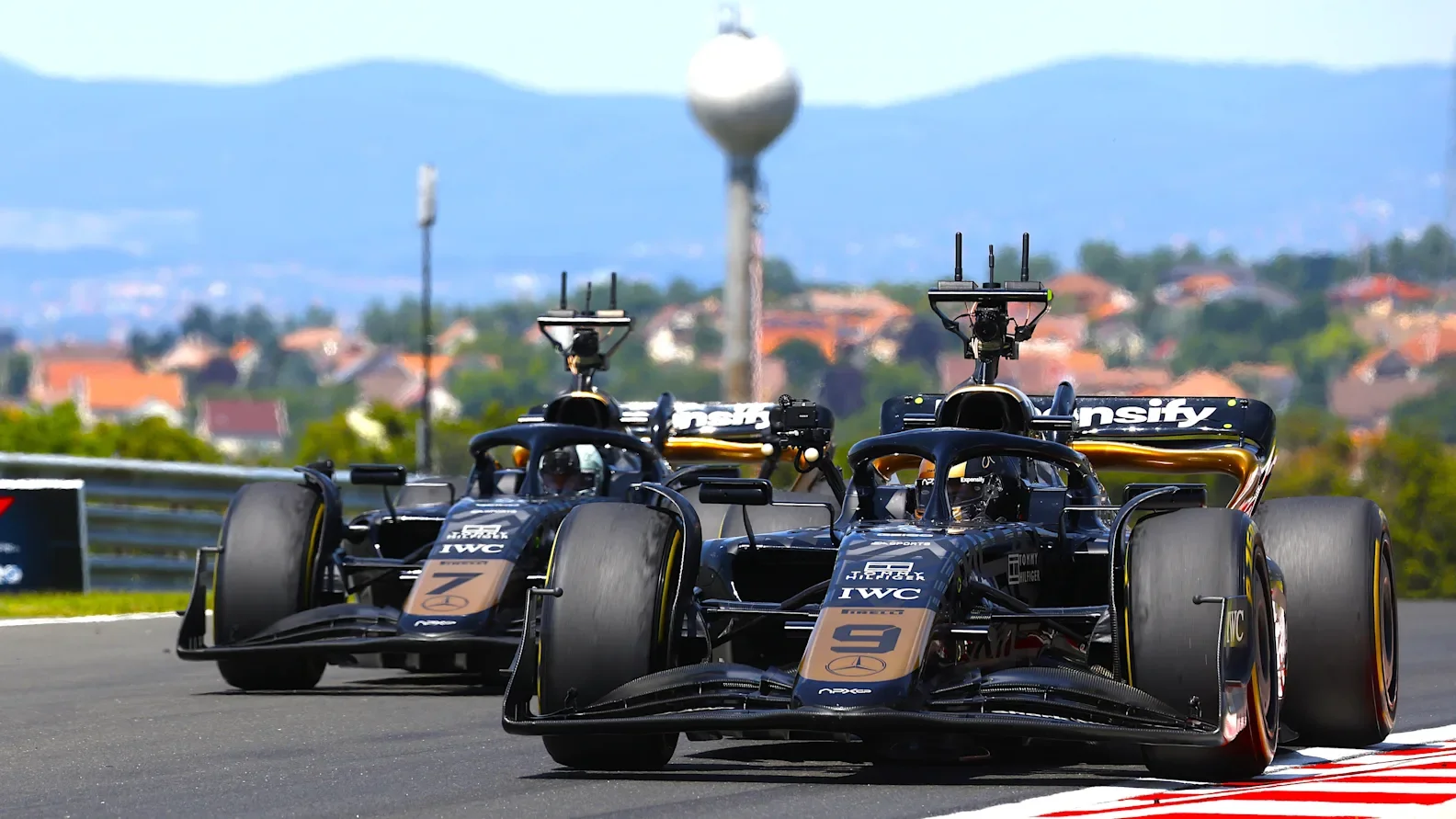
Alpine currently sits at the bottom of the constructors‘ championship going into the Austrian GP, positioned tenth after a difficult start to 2025. The French team’s standings drop from sixth place last year means it will receive an increased testing allowance of 115%. This gives Alpine the capacity to run 368 wind tunnel tests, with 92 hours of wind-on time, alongside 2,300 CFD simulations, up from its earlier 1,900 CFD runs. The additional aero testing time provides Alpine with a vital opportunity to address its challenges during the remainder of the year. The team now faces the strategic choice of investing this time to salvage its 2025 campaign or focusing resources on developing its 2026 car.
Mercedes Faces Significant Testing Curtailment After Recovery
Having struggled earlier in the ground-effect era, Mercedes maximized its testing allowance to improve and now ranks second in the standings before the Austrian race. Despite this success, the team‘s higher position has resulted in a significant reduction in permissible testing time for the rest of the year. Mercedes is allocated only 75% of the standard allowance, equating to 60 hours of wind tunnel time — an eight-hour decrease from the first half of the season. The Silver Arrows will need to be highly efficient with their limited remaining aero development time to maintain performance against rising rivals.
Aston Martin Capitalizes on Midseason Drop in Standings
Aston Martin, a Mercedes customer team, has seen its drivers Fernando Alonso and Lance Stroll struggle this season, causing the team to dip from fifth to eighth place before the Austrian GP. This drop has increased its testing limit from 90% to 105% of the standard allowance. The British outfit is now allowed 336 wind tunnel runs and 84 hours of wind-on testing, a notable uplift from the previous 72 hours. With renowned aerodynamicist Adrian Newey onboard, this expanded testing time provides Aston Martin an improved chance to refine its car and regain competitiveness ahead of the 2026 regulation changes.
Other Teams Experience Smaller Changes in Testing Limits
Several other teams on the grid have seen relatively minor adjustments in their aerodynamic testing capacities. McLaren has maintained its top standing since the end of the 2024 season and will keep its testing allowance steady at 75% of the baseline. Both Red Bull and Ferrari slipped one position to third and fourth respectively, resulting in modest increases of 16 wind tunnel runs and 100 CFD tests each across the last three testing periods.
Meanwhile, Racing Bulls, positioned seventh, will retain a full 100% testing allowance, including 80 hours of wind-on wind tunnel time. Sauber moved up from tenth to ninth before the Austrian race, which grants them 110% of the testing allowance. These smaller shifts mean these teams will need to carefully manage their development programmes during this critical phase of the season.
Cadillac Joins F1 with Maximum Testing Privileges Ahead of 2026 Entry
Beyond changes to existing teams, the Formula 1 grid is set to welcome Cadillac as a new customer team in 2026, marking the first new arrival since Haas joined in 2016. Cadillac will also begin to roll out its own engine programme, transitioning to a full constructor status by 2029. Despite being new, Cadillac will not receive preferential aerodynamic testing beyond the maximum baseline allowed for a new entrant. This includes 92 hours of wind tunnel time and permission for 2,300 CFD tests, equivalent to the allowances Alpine receives at the lowest point in the standings. This initial substantial testing capacity will aid Cadillac in establishing a competitive foothold as it prepares for its first race season.
Impact of Testing Reset on Team Development as 2026 Approaches
The midseason reset of aerodynamic testing rights is a strategic tool designed to keep multiple teams engaged in competitive development and balance performance disparities. Teams near the bottom, such as Alpine and Aston Martin, gain extended opportunities to improve, while those gaining ground like Williams and Mercedes must optimize reduced allowances carefully. This dynamic fosters intense resource management as all squads prepare for the impending overhaul of F1 regulations slated for 2026. Efficient use of the refreshed aero testing windows will be critical in both boosting current season performances and laying groundwork for the new generation of cars.
Our Reader’s Queries
Q. Why is 17 banned in F1?
A. In Formula 1, driver number 17 is the only number that has been permanently retired as a tribute. This was done to honor Jules Bianchi, who used #17 when he had a tragic accident during the 2014 Japanese Grand Prix.
Q. Which F1 driver has ADHD?
A. Lewis Hamilton, born in 1985, is a British Formula One racer. He currently drives for Mercedes and has previously raced for McLaren. Hamilton openly shares his experiences with ADHD and talks about his various interests and passions.
Q. Is number 69 allowed in F1?
A. Drivers can select their own permanent numbers ranging from 0 to 99, except for the number 1. The number 1 is reserved for the World Drivers’ Champion, but they don’t have to use it if they don’t want to.
Q. Which F1 drivers have ADHD?
A. Lewis Hamilton, full name Sir Lewis Carl Davidson Hamilton, is a British race car driver born in 1985. He races in Formula One with Mercedes and previously drove for McLaren. Hamilton openly talks about his experiences with ADHD and shares his wide range of interests and hobbies.