
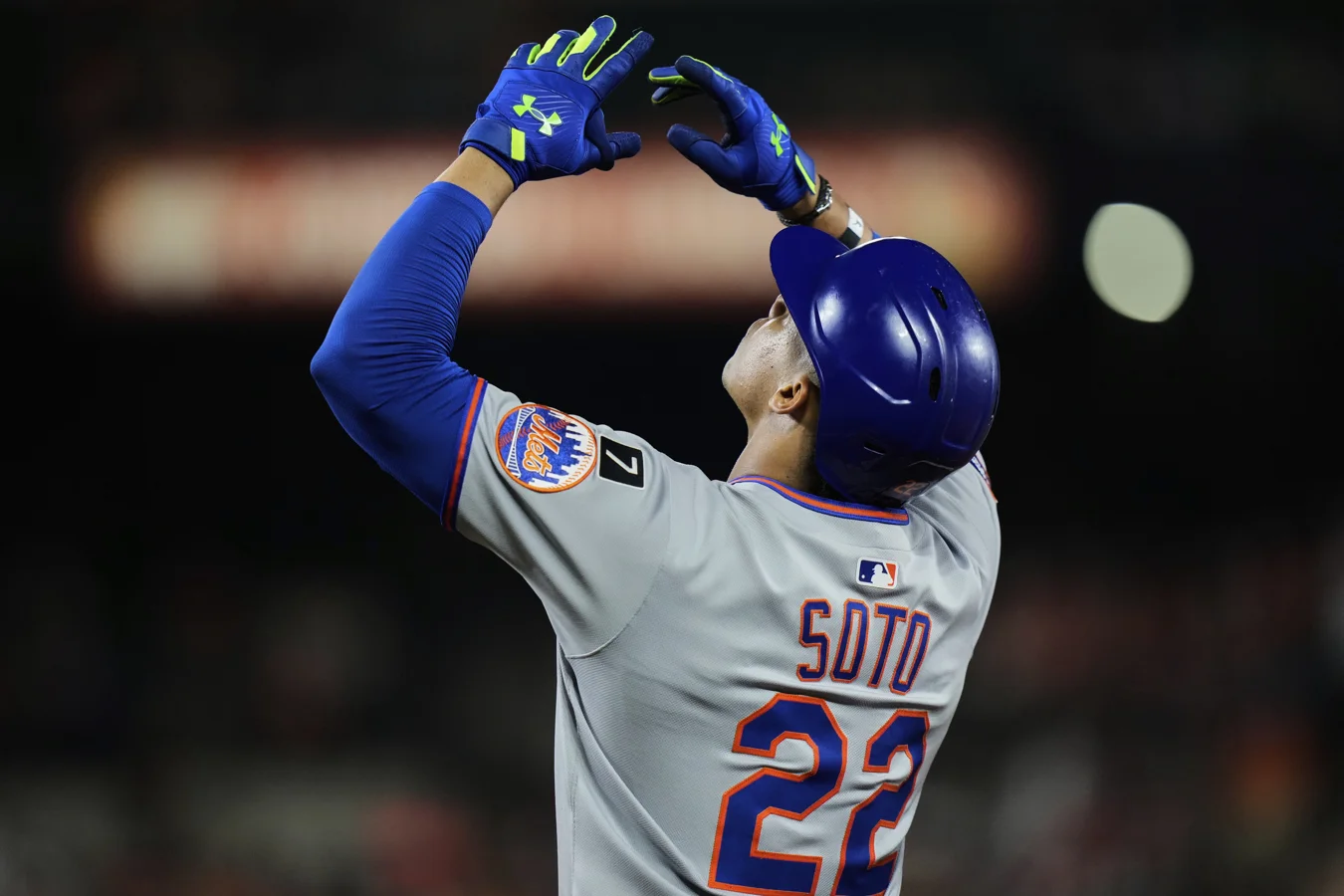

Juan Soto’s unexpected exclusion from this year’s All-Star Game has ignited a heated discussion in baseball circles, raising questions about the criteria and biases that influence selections. Despite ranking among the top players in several key offensive categories, Soto was largely overlooked when fans and analysts debated midseason snubs. The ongoing Juan Soto All-Star snub controversy highlights the tension between on-field performance and off-field perceptions.
At just 26 years old, Soto’s impressive track record includes two World Series appearances, multiple League Championship Series, and consistent finishes near the top of MVP voting. Currently, his offensive production substantiates a strong case for All-Star inclusion, yet the reaction to his omission reveals deeper issues beyond raw statistics.
Evaluating Soto’s Performance Amid Mixed Public Perception
Juan Soto ranks fourth in Major League Baseball for on-base percentage and is tied for tenth in home runs this season. He holds 11th place in OPS across all players, and specifically in the National League—where the All-Star team is drawn from—he stands second in OBP, seventh in home runs, eighth in OPS, and 13th in slugging percentage. These numbers position him comfortably among the league’s elite hitters.
However, Soto’s slow start this season heavily influenced public and media opinion. By early June, his batting average lingered at just .229, prompting persistent questions and criticism. The media frenzy around
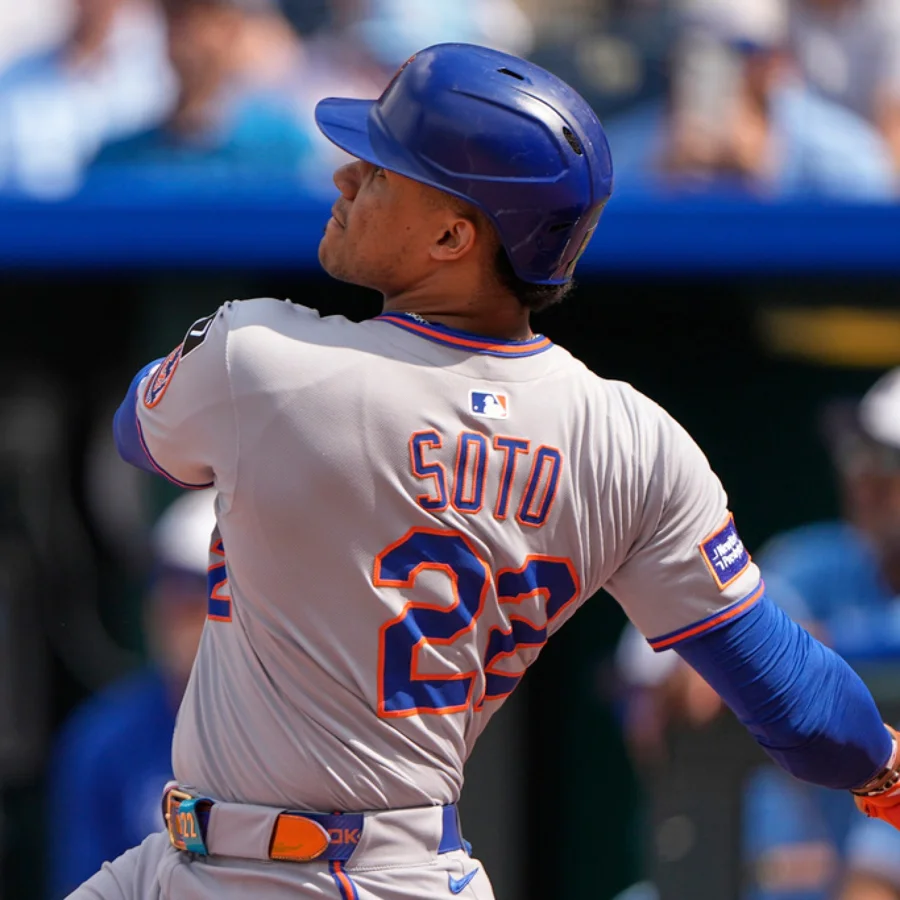
“what is wrong with Juan Soto?”
left a lasting impact, overshadowing his significant rebound where he hit .325 with a .451 OBP and a .658 slugging line in the following months. Despite improved performance, positive narratives struggled to gain the same momentum.
Financial Factors and Public Resentment
One major factor fueling the controversy is Soto’s record-breaking $765 million contract signed in December. While Soto embraces the deal, this enormous payday has created an undercurrent of jealousy and resentment among fans and commentators. The size of the contract has arguably damaged public perception, amplifying scrutiny of his on-field performance and magnifying any early-season struggles.
This resentment is sometimes linked with an expectation of flawless output corresponding to the massive financial commitment. In Soto’s case, that dynamic has made it harder for his value to be objectively assessed on merit alone and contributed to the silence surrounding his All-Star candidacy.
The Debate Over the Role of the All-Star Game
Another aspect of the controversy involves the purpose of the All-Star Game itself. Some argue it should exclusively reward players with outstanding first-half seasons, while others contend it should represent the most recognizable stars in baseball, regardless of short-term fluctuations.
In terms of Wins Above Replacement (WAR), Soto ranks sixth among National League position players with a 3.9 WAR, reflecting his overall value to his team beyond just hitting statistics. He also ranks third in runs scored in the league.
These statistics raise the question: should a player with such strong production, proven star power, and postseason pedigree be omitted from an All-Star roster? The answer is widely considered to be no, yet the choice to exclude Soto continues to spark debate about how All-Star selections balance merit, popularity, and narrative.
Controversial Remarks Impacting Public Opinion
Adding to the complications, Juan Soto’s own comments about the All-Star Game stirred further debate. When asked about his chances of making the team, Soto replied,
“I think it’s a lot of money on the table if I make it.”
He would have earned a $100,000 bonus if selected, which represents a negligible 0.19% of his $51.9 million salary this season.
This remark was perceived by some as a sign of indifference or misplaced priorities, reinforcing skepticism among critics. For many, this statement justified their reluctance to support his All-Star bid, despite his on-field credentials.
Implications and What Lies Ahead
The Juan Soto All-Star snub controversy underscores the complexities of player evaluation that extend beyond statistics, touching on issues of player branding, media narratives, and fan expectations. Soto’s case highlights how even undeniable talent can be overshadowed by extraneous factors and public perception.
As the season progresses, Soto’s ability to sustain his high level of play and perhaps adjust his public messaging may influence future All-Star considerations and broader appreciation of his contributions. Meanwhile, the baseball community continues to grapple with the question of what the All-Star Game truly represents — an annual celebration of the best, the most popular, or some blend of both.
Our Reader’s Queries
Q. Why is Juan Soto so special?
A. Soto gets hits because he makes strong contact with the ball regularly. His ability to judge pitches earns him walks. These skills together make him one of the most reliable players for getting on base, whether we’re talking about his current form entering 2025 or his performance since he started in the big leagues in 2018 at age 19.
Q. What is Juan Soto’s bat speed?
A. Ramos and Soto’s bat speed dropped from over 75 mph to more than 73 mph, which is still impressive. Their updated speed remains above the 71.6 mph league average, keeping it in the top 75. Soto continues to have exceptional bat speed despite this decline.
Q. Why do people think Juan Soto is so good?
A. He is recognized for his skill in hitting the ball to different parts of the field, even with two strikes. By the end of the 2020 season, Soto had hit a total of 69 home runs in Major League Baseball, distributing them evenly: 23 to left, 23 to center, and 23 to right field.