
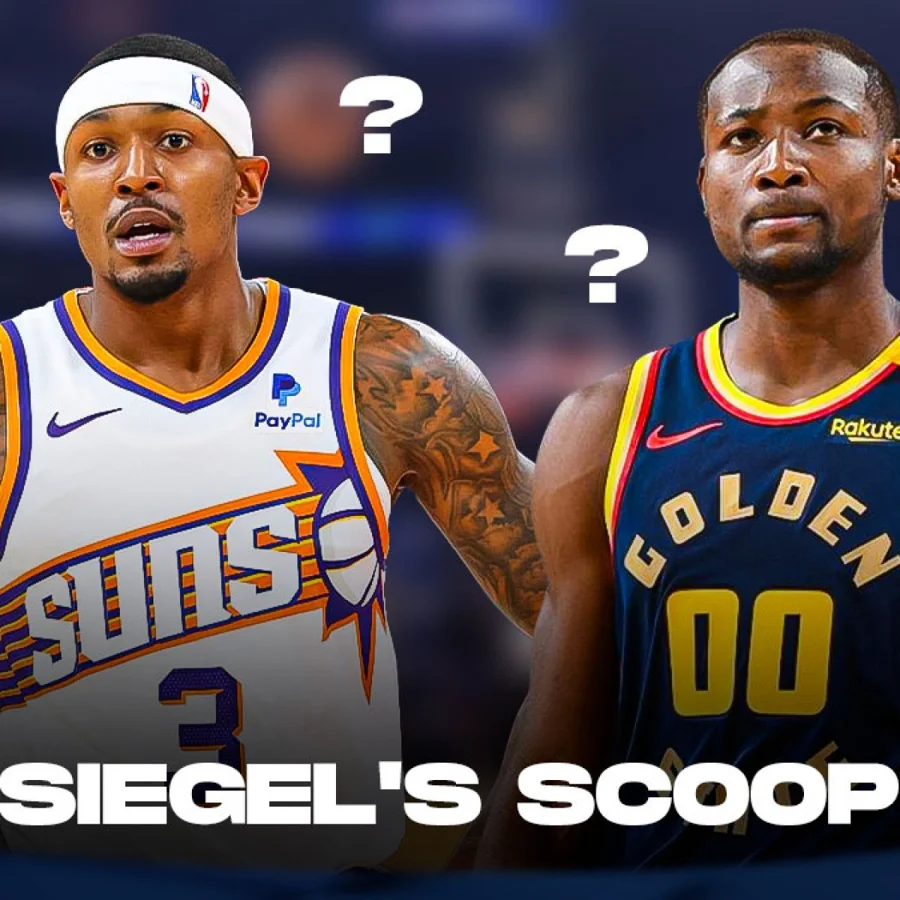

The Los Angeles Clippers have finalized a trade that brings Bradley Beal to their roster, a move that has significant implications for both the player and the team as the 2024-25 NBA season approaches. After clearing waivers, Beal is set to join the Clippers on a two-year, $11 million contract with a player option for the second year, marking a stark shift from his last contract with the Phoenix Suns. This trade highlights the Clippers’ strategic vision to strengthen their roster and positions Beal in an environment that could rejuvenate his career, aligning with the broader narrative of Bradley Beal Clippers trade impact in the Western Conference.
Previously burdened by a heavy contract and a no-trade clause in Phoenix, Beal now arrives in Los Angeles on a much more manageable deal and as part of a strong, veteran lineup. This new situation affirms the Clippers’ intention to build around a balanced core instead of relying strictly on marquee stars, offering Beal a fresh chance to showcase his skills in a system designed to maximize his strengths.
Fitting into a Strong Defensive Framework
In Phoenix, Beal’s struggles on defense were heightened due to a roster that was top-heavy and lacked adequate size. The Clippers, on the other hand, boasted the NBA’s third-best defense last season and enhanced their interior protection by adding Brook Lopez during the offseason. This defensive depth addresses one of Beal’s historical weaknesses, allowing him to focus more on his offensive contributions without being a defensive liability.
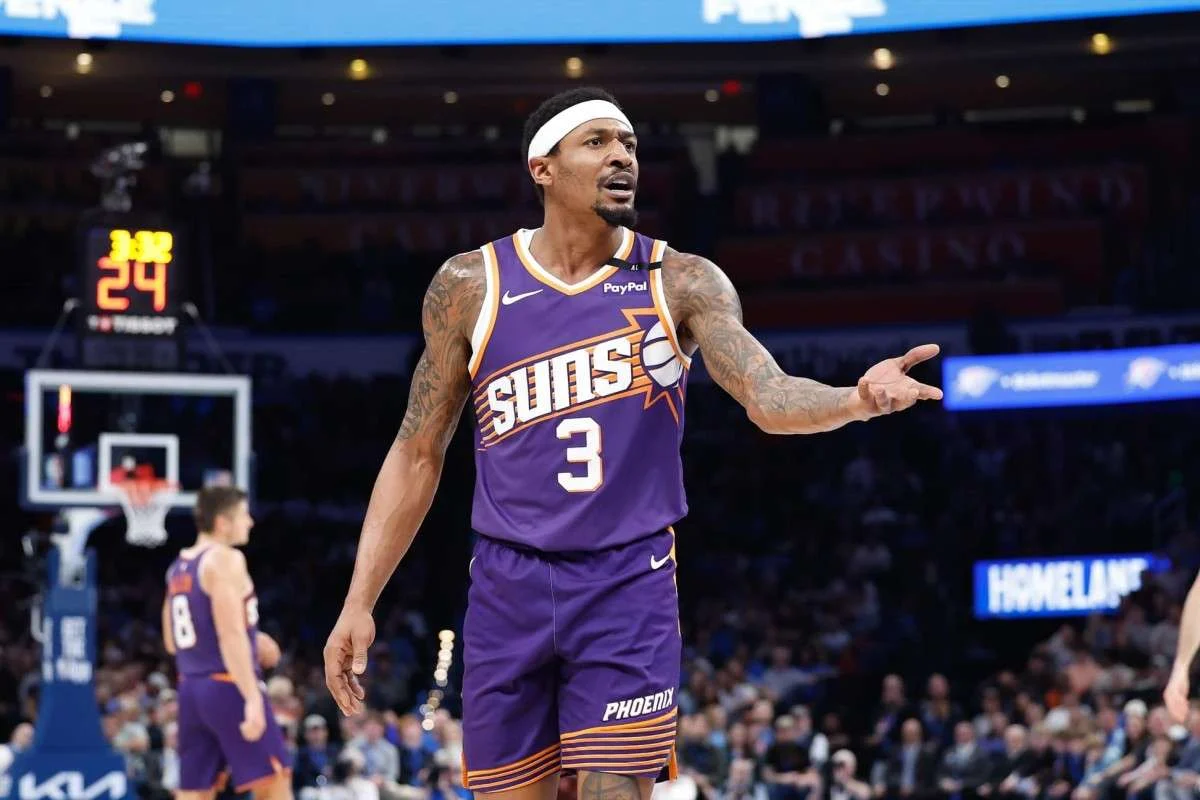
With shot-blockers like Ivica Zubac and Lopez anchoring the paint and multiple long, versatile wings on the perimeter, Beal is expected to find renewed success as part of a defensively disciplined team. While he may not earn defensive honors, the structure around him could limit his defensive exposure and elevate his overall impact on both ends of the court.
Offensive Roles and Opportunities in LA
Offensively, Beal will join forces with James Harden and Kawhi Leonard, forming a trio that offers multiple threats and varied scoring options. Unlike his time in Phoenix alongside Devin Booker and Kevin Durant, this Clippers lineup clearly defines Harden as the primary playmaker. Harden’s ability to orchestrate the offense and Leonard’s capacity to draw multiple defenders should open up room for Beal to attack less congested defenses.
When Beal initiates plays, the team‘s screeners and floor spacers will enhance his ability to find scoring lanes and create opportunities. Los Angeles coach Tyronn Lue, known for his tactical flexibility in mixing rotations, is expected to optimize Beal’s integration, balancing minutes and roles so that each star can perform at their best in what promises to be a dynamic backcourt.
Beal’s Quest for Playoff Success
Bradley Beal has yet to advance beyond the second round of the playoffs since 2017, a milestone he aims to surpass with this fresh start. At his Suns introductory press conference two years prior, Beal expressed enthusiasm about playing alongside Hall of Famers and pursuing a championship ring. Although his Phoenix tenure did not fulfill those ambitions, the Clippers offer a renewed opportunity to pursue deep playoff runs with a more balanced and strategically constructed team.
“play with two Hall of Famers” —Bradley Beal, Player
Financial Strategy Behind the Trade
The Clippers’ front office, led by Lawrence Frank, is clearly focused on maintaining salary cap flexibility for the medium- and long-term future. With limited guaranteed contracts beyond the 2026-27 season—save for Zubac and Kawhi Leonard’s $50.3 million salary that year—the team strategically avoided a costly extension for 32-year-old Norman Powell. Instead, by trading Powell for John Collins and adding Beal on a reduced salary, they balanced staying competitive now while preserving roster flexibility.
The decision to offload Powell, despite his important role last season, was influenced by Los Angeles’ need for additional shot creation, a void that became especially clear when Leonard missed extensive time. Powell’s departure left a gap for an efficient scoring guard, which Beal is expected to fill, providing more offensive options alongside Harden and Leonard.
Evaluating Beal’s Recent Performance
Beal’s recent season raised some concerns, highlighted by his career-low usage rate of 21.9%, the lowest since his rookie year. Injuries caused him to miss 35 games, and his at-rim shot attempts declined while he was also benched from the starting lineup for a six-week stretch. However, despite these setbacks, he maintained efficient shooting numbers with a 59.8% true shooting percentage and a 40.6% conversion rate on catch-and-shoot three-pointers.
This scoring efficiency and his strong floor spacing abilities provide Beal with significant offensive “gravity,” positioning him to flourish alongside screeners like Zubac and Collins. His capacity to evolve pick-and-roll chemistry with these players adds a versatile wrinkle to the Clippers’ offense that wasn’t as prominent last season.
Potential Influence on the Clippers’ Future
Last season, the Clippers managed to win 50 games despite Kawhi Leonard’s extended absence and Paul George’s offseason departure. This success owed much to their defensive prowess and roster depth, which now serve as a foundation for integrating new contributors like Beal and Collins. Both players have a history of underwhelming recent chapters—Collins with the Utah Jazz and Beal in Phoenix—but the Clippers have a reputation for rejuvenating talent through their system and culture.
Players such as Nicolas Batum, Kris Dunn, and Bogdan Bogdanovic have thrived after joining the Clippers, suggesting a strong precedent for Beal to similarly rediscover his form. If Beal can capitalize on this fresh start, the Clippers’ blend of playmaking, shooting, defense, and positional versatility could significantly alter the balance of power in the Western Conference, posing a renewed threat to contenders across the league.
Our Reader’s Queries
Q. Can Bradley Beal be waived?
A. The Suns can’t legally spread out Beal’s contract costs by just releasing him because it would exceed the 15% limit. Beal must agree to forgo about $13.9 million for the contract stretch to be legal.
Q. Only two players in the NBA have a no-trade clause. Do you know which players? That’s right! It’s LeBron James and Bradley Beal.
A. As of now, no current NBA players have a no-trade clause in their contracts.