
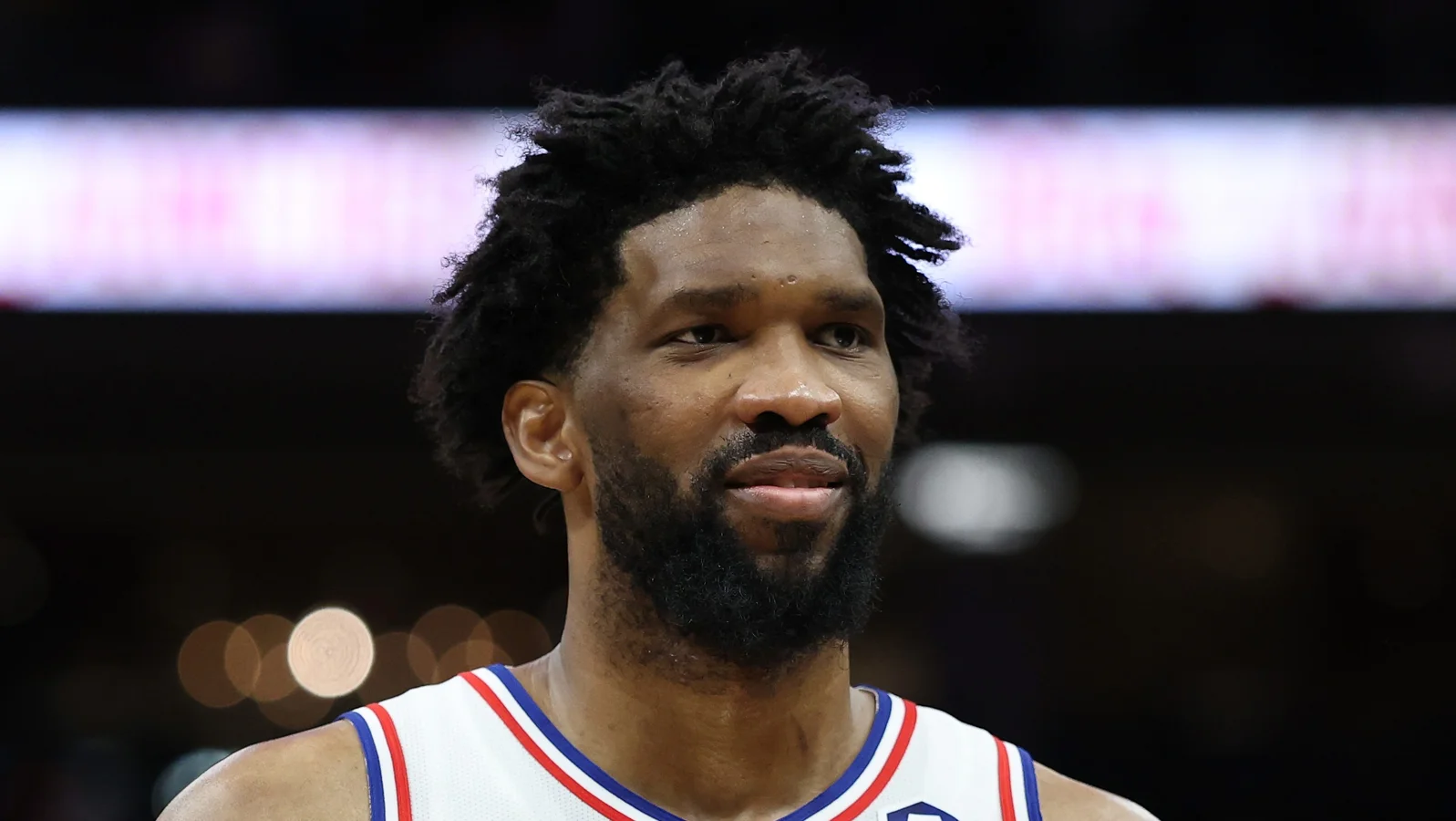

Joel Embiid has faced more than just the physical demands of professional basketball; his journey has been marked by deep mental and emotional challenges as well. This intense struggle became evident during a recent conversation with students at Rowan University, where the focus was not just on his on-court success, but on his ongoing process of Joel Embiid healing physical mental hardships. The Sixers’ star has endured significant physical setbacks alongside personal trauma, shaping the complex figure behind the dominant athlete many see.
The Early Years: Isolation and Loss
Embiid’s story began in Cameroon, where he experienced profound isolation as a child. At 16, his move to Florida for basketball intensified his sense of displacement and loneliness. The turning point came with his selection as the third overall pick by the Philadelphia 76ers in 2014, providing a glimmer of self-belief. However, tragedy struck with the death of his 13-year-old brother Arthur, a wound that Embiid openly admits continues to affect him deeply.
“It’s never going to change,” Embiid says, all but whispering. “I still feel it.”
—Joel Embiid, NBA player
The Mask of Humor and the Hidden Mental Struggle
To cope with mental pain, Embiid adopted a playful and often provocative social media persona, which concealed the trauma he was grappling with privately. His discomfort widened during periods of injury, notably involving his navicular bone, which required two surgeries due to incomplete healing. Despite his concerns about his foot, Embiid felt that some members of the Sixers organization doubted the severity of his condition, adding to his frustration.
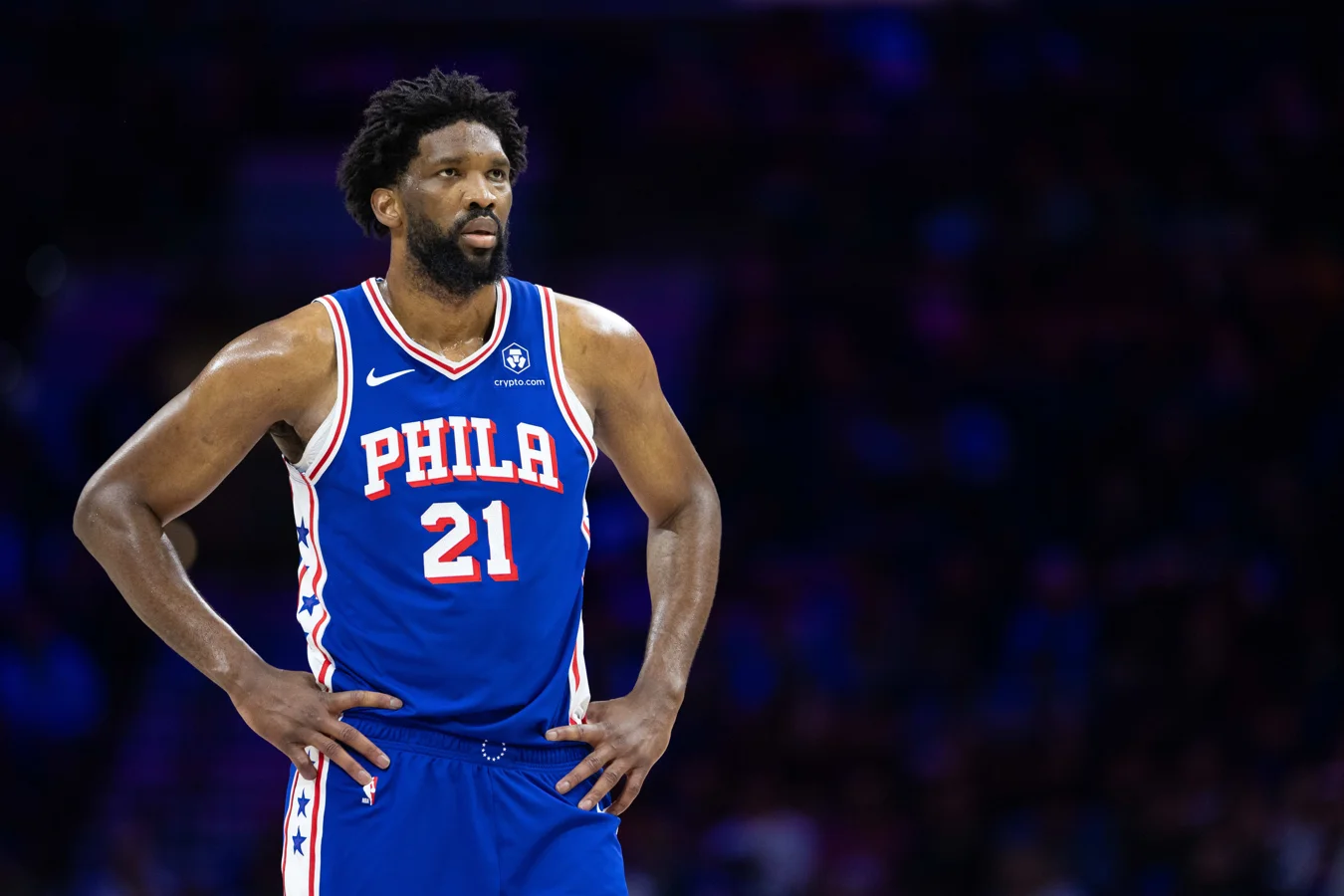
This tension reveals a complex contradiction: Embiid both pushes himself through pain and could have benefited from stronger intervention by those around him to protect his health.
Support Systems and Therapy: A Step Toward Healing
Recently, Embiid began therapy, encouraged by Jameer Nelson, the Sixers’ assistant general manager, who has also become a close friend. Considering Embiid’s guarded nature and small circle, this new relationship and willingness to seek help mark a significant personal development.
Despite these steps forward, Embiid shares a profound sense of guilt when forced to miss games due to injury, believing he lets down fans and teammates, pushing him to play even when it may not be wise.
“In those situations, you wish some of the people upstairs kind of had your back and were like, this is not OK, You’re not playing.”
—Joel Embiid, NBA player
He looked me in the eye and said, “We can sit here and I’ll tell you I’m changing, but I know myself. I don’t think that’s going to happen. … I always want to play.”
—Joel Embiid, NBA player
The Toll of Injury and Mental Turmoil During Competitive Moments
Embiid’s struggles intensified during critical moments, such as the playoff series against the New York Knicks two years ago, when he battled both a surgically repaired knee and Bell’s Palsy. The latter caused severe migraines and sleepless nights, yet Embiid still tried to push through. His willingness to endure pain in pursuit of success has marked much of his career but raises questions about the balance between perseverance and self-care.
Humanizing an NBA Superstar Beyond the Court
While Embiid’s talent and moments of dominance are undeniable, his legacy remains complicated by the Sixers’ inability to advance past the second playoff round during his era. More importantly, his story reminds fans and observers that professional athletes are not just performers but human beings with struggles beyond the game itself. This perspective encourages empathy and awareness of the mental health issues that can affect even the most elite competitors.
Recent Returns and Mental Resilience
In December last year, Embiid returned to action quickly after suffering yet another facial fracture, missing only a single game. He helped the Philadelphia 76ers secure a victory over the Charlotte Hornets, scoring an impressive 34 points in 31 minutes while wearing a protective mask. When asked about managing the mental challenges that accompany such physical trauma, Embiid gave a thoughtful and candid response.
“I don’t know,” he said, letting out a small laugh, seemingly looking for that answer himself. “Talking to somebody. Get some help. See if that helps. Really just stop asking myself questions. … It’s kind of hard when you get in those moments to not feel bad about yourself, especially when you know who you are and what you can accomplish. … One lesson that I learned is to try to stop feeling bad about myself and just try and live day by day, enjoy good people around me, the positivity, and not focus on the negativity.”
—Joel Embiid, NBA player
Looking Ahead: The Journey to Physical and Mental Recovery
Joel Embiid’s fight continues not only to heal physically from his injuries but also to find mental peace amid the pressures of his career and personal history. His candid acknowledgments and recent steps toward therapy suggest a gradual shift toward addressing these challenges more openly. As the Sixers and their fans hope for his return to MVP-level performance, the hope is equally strong that Embiid will nurture his mental well-being alongside his physical health.